
Nicholas Humphrey’s new book, Why Is the World So Beautiful?, posits a theory of beauty – but is beauty too manifold to surrender its mysteries to one theory?
Books + Ideas – Articles, Analysis, Comment
Displaying 26 - 50 of 1705 articles
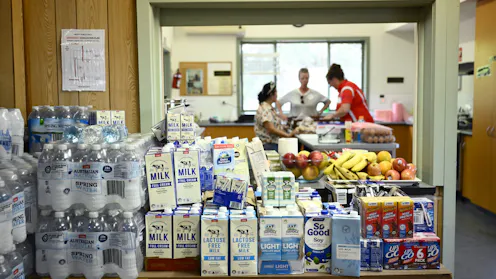
As climate risks accelerate and a hot summer approaches, many ordinary Australians are preparing disaster kits and emergency plans. Is prepping becoming mainstream?
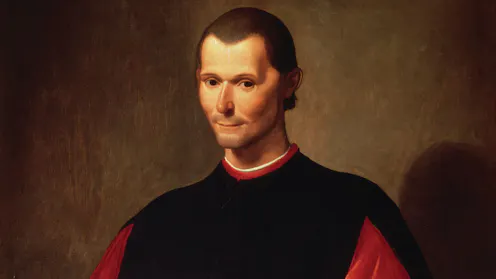
In an era when political campaigns are a mix of strategy, spectacle and survival, Machiavelli’s The Prince is a straight-talking classic.
Menopause has always been a universal female experience. So why is so-called ‘meno-lit’, with midlife hormonal changes at the core of these novels, a new phenomenon?
Switzy is an impressive, surprising novel that tackles a big topic: assisted dying, and how we might meet our own cognitive decline.
AI is a project of the powerful, implemented in the name of an efficiency that has nothing to do with the good, writes Jeff Sparrow.
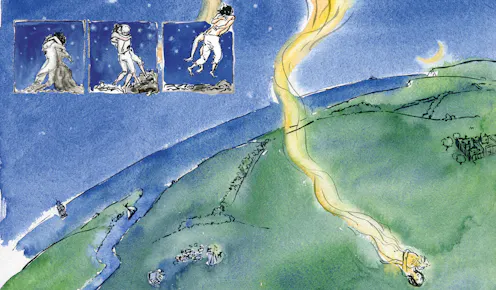
Orlando is nearly 100 years old – but its ideas about gender and identity are strikingly contemporary.
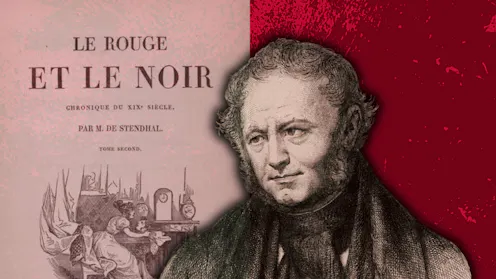
In The Red and the Black, Stendhal skewers the hypocrisies of post-revolutionary France.
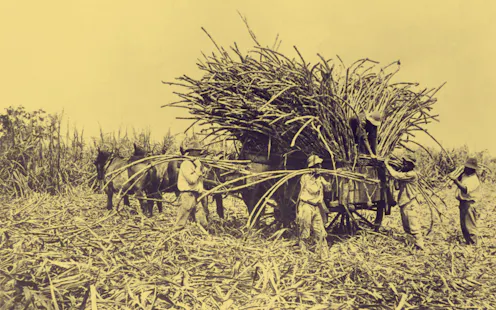
Determined to illustrate ‘slavery’, Ryan Butta’s history of ‘blackbirding’ says little of the labourers’ recovery and resilience.
An astounding and deeply engaging account of the complexity of one small organ is about so much more.
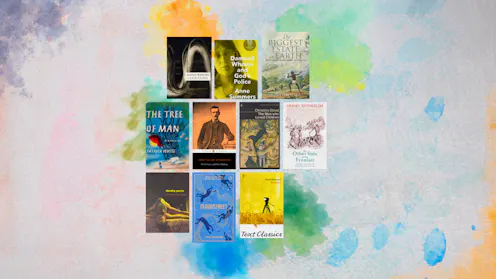
ABC Radio National is about to reveal Australia’s top 100 books, chosen by popular vote. Ahead of the countdown, The Conversation has asked our experts for theirs.
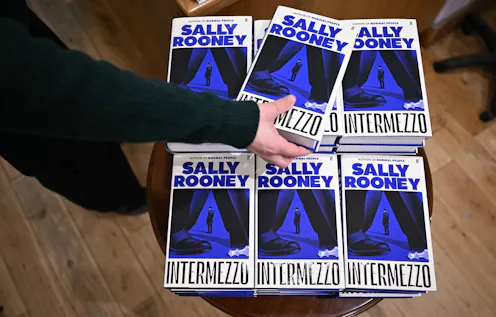
The legal threat to Sally Rooney has drawn new attention to the controversial UK definition of a ‘terrorist organisation’.
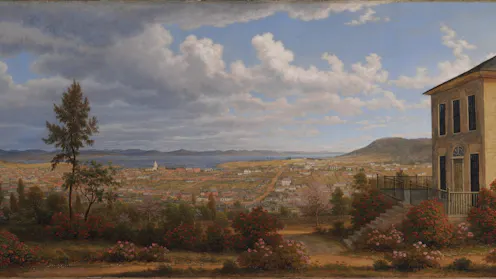
A riches to rags tale written by a convict was published in Hobart in 1830. On mainland Australia, an Irish widow published a gothic melodrama in 1838.
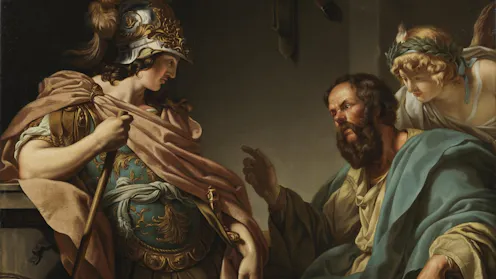
Plato’s dialogues show that learning takes place through the to-and-fro of reflective thought – much of learning is finding out what we don’t know.

We should pause and think about what we would want if our death was being filmed and our dignity or privacy were at stake.
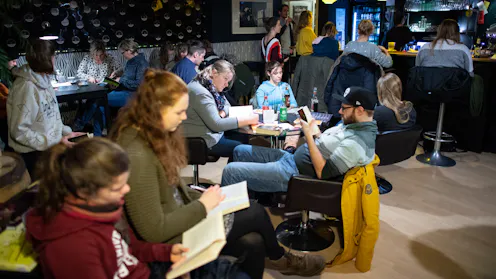
Silent reading events don’t ask readers to choose between solitude and connection. They offer both.
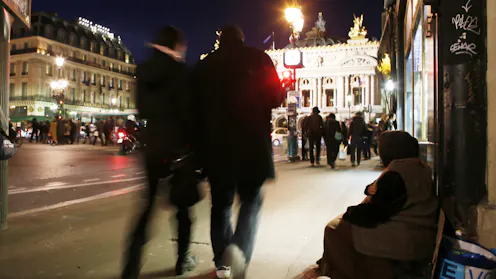
The author’s novel, Six Days, examines what people owe one another and what happens when those obligations are ignored.
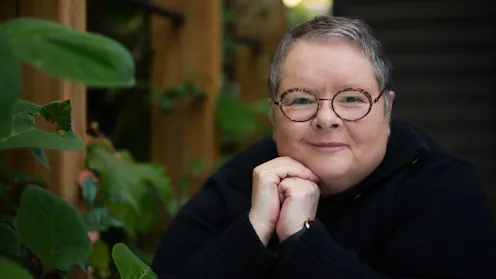
Magda Szubanski’s books are not conventional celebrity memoirs. She doesn’t name-drop or frame her story as one of triumph.
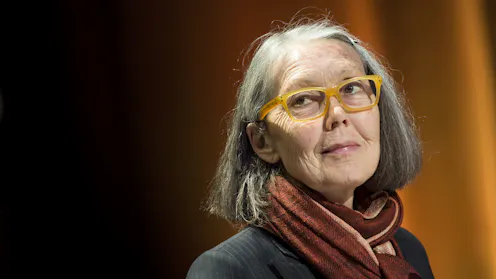
New Nobel winner Anne Carson’s playful, deeply intelligent work riffs off and reinvents ancient classics – and often lands with breathtaking emotional force.
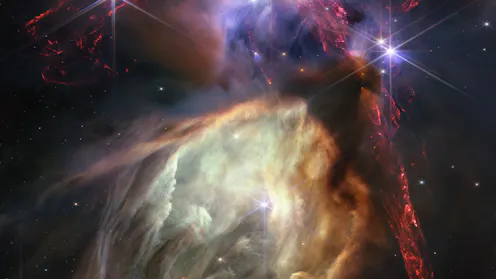
Space is a frontier where we could do things differently, yet we are replicating the same patterns of commerce and control.
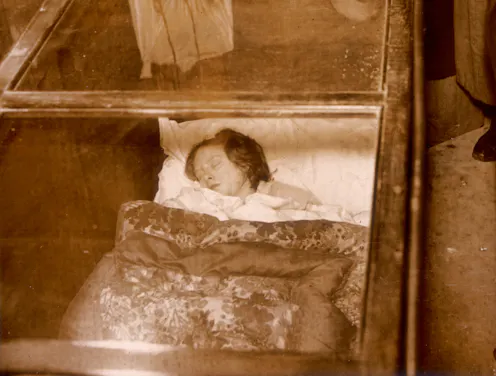
Catherine Chidgey’s novel The Starving Bride is a disturbing and bleakly funny portrait of a society attempting to distract itself from mounting disasters.
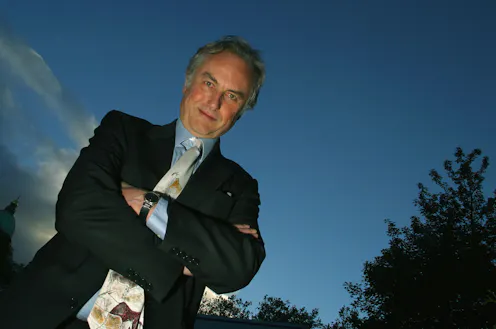
The enduring value of The God Delusion lies in its championing of reasoning and evidence, free speech and thinking for oneself.
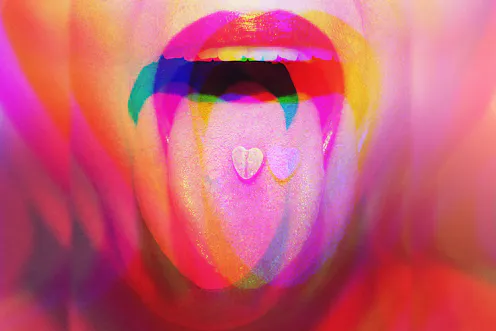
In Trip Reports, journalist Rich Haridy (a self-confessed ‘psychonaut’) dives into the science of psychedelic medicine and developments in Australia.

Laura Elizabeth Woollett’s Hell Days explores her diagnosis of PMDD, an extreme form of premenstrual syndrome – drawing on research, interviews, reading and more.
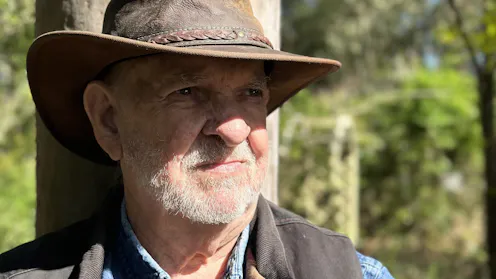
What right did settler society have to intervene in Aboriginal life? The humanitarian tradition has no adequate answers, says Barry Corr.