
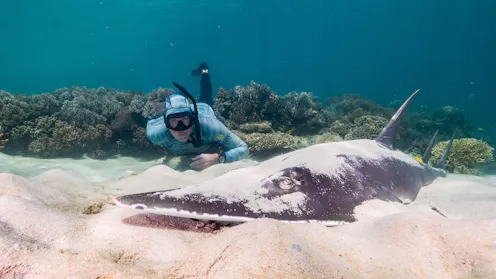
Citizens have contributed to science in Australia for many decades – and the field is now undergoing rapid growth
Environment + Energy – Articles, Analysis, Comment
Displaying 426 - 450 of 8939 articles
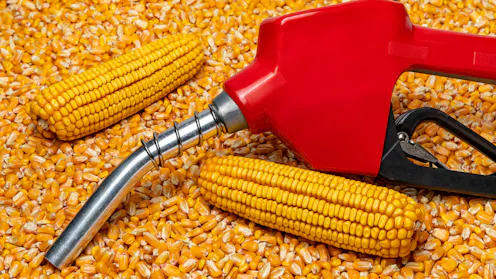
Australians are being urged to switch to E10 fuel, as the US-Iran conflict continues to put pressure on diesel and petrol supplies.

Australia has built millions of mini power stations on detached homes. The next challenge is ensuring people in apartments, units and townhouses can benefit too.
The system is now twice the size it was when it reached far north Queensland, 5,700km and one week ago.
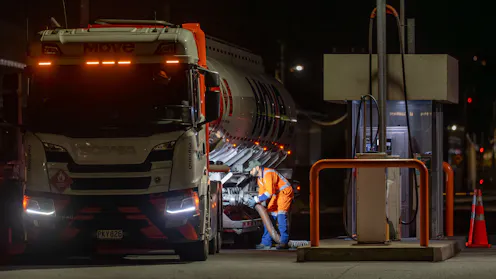
As prices surge, the Middle East crisis highlights New Zealand’s exposure to global oil – and the need to accelerate more resilient alternatives.

Media rituals based on reporting numbers and trends help us talk about complex issues using simple measures of progress or decline.

For many citydwellers, parks are sanctuaries, But they may also be home to harmful pathogens.
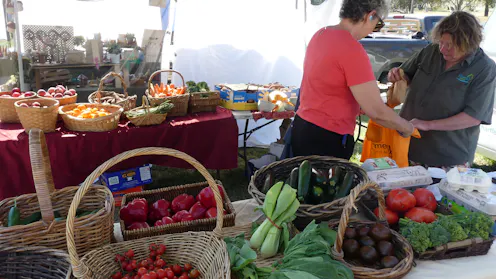
This shock to our food system is not the first, and won’t be the last. A focus on band-aid solutions that prop up the current system undermines long-term resilience.
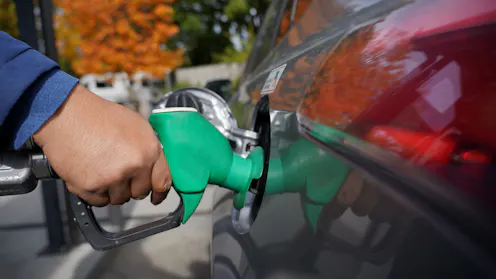
New Zealand’s electricity generation now accounts for only 5% of emissions, but oil use in transport is on the rise, outweighing the shift to electric vehicles.
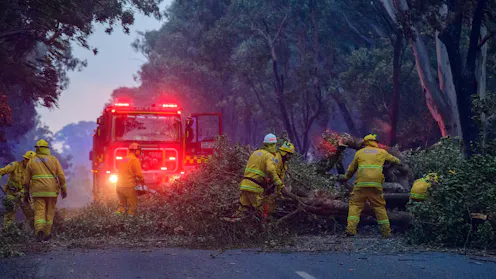
Extreme weather events are increasingly coming in waves, giving communities just days or hours to recover before the next disaster hits.

Disinformation is everywhere: AI-based material was even used to generate some of false claims in submissions to the inquiry into misinformation.
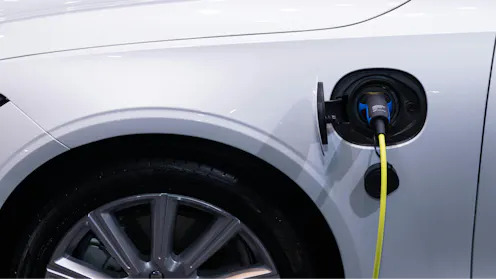
The clear signal this trend data sends is Australians are a pragmatic lot. If using an EV might save them money, they are interested.
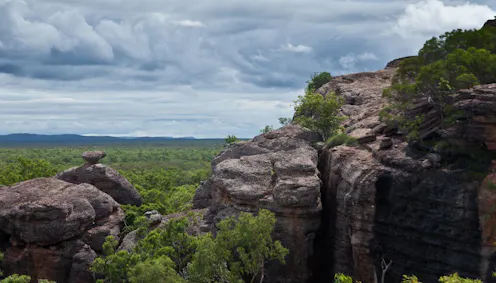
We’ve committed to protect 30% of our lands and waters by 2030. But our endangered species are still struggling, according to four environmental scientists.

Past El Niño events have brought drought and disruption to New Zealand. What might the coming one spell?

The latest State of the Climate report paints a grim picture of global warming. But by reducing our emissions and fossil fuel use, we can still slow it down.
Israel and Iran have both attacked critical energy infrastructure sites. So what does this mean for energy prices here in Australia, and around the world?
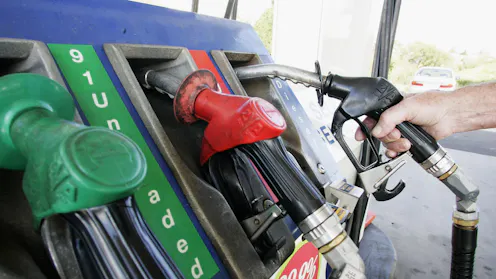
Past crises show heavy state intervention can backfire – what should New Zealand do differently this time?

When fires and floods hit, Aboriginal communities are often left to recover without much, if any, government support.
Cyclone Narelle is expected to cross the Queensland coast on Friday morning. It has followed a predictable westward path, which is highly unusual.
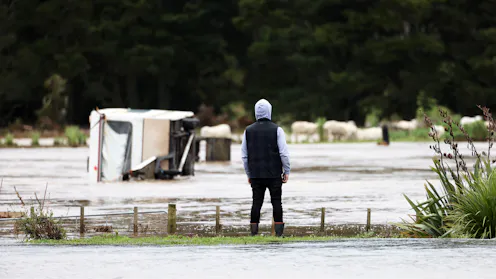
Post-disaster reviews show NZ repeats the same warnings. Breaking the cycle means stronger laws, clearer responsibilities and greater funding.

Since February 2025, eight young Australians have died in e-bike crashes. That’s one reason Queensland is pushing for tighter e-mobility regulation.
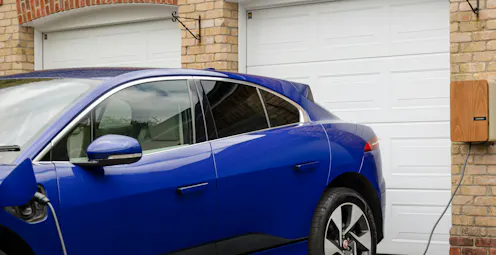
For many drivers, the question is no longer whether an EV could work for them – it is simply a matter of when.
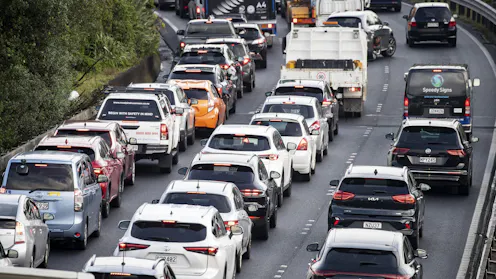
New Zealand generates more than 85% of its electricity from renewable sources, but transport remains almost entirely chained to imported oil.
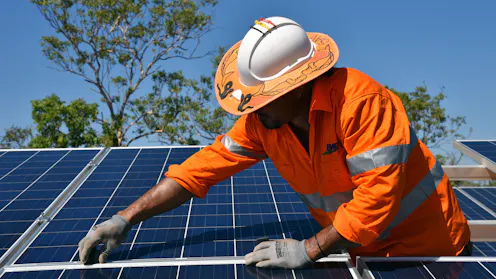
As fuel prices rise, some remote communities feel the shock twice: first at the pump and then in the power supply.

The Hauraki Gulf is already experiencing more frequent and longer lasting marine heatwaves. Seabirds now have to travel further to find enough food.