
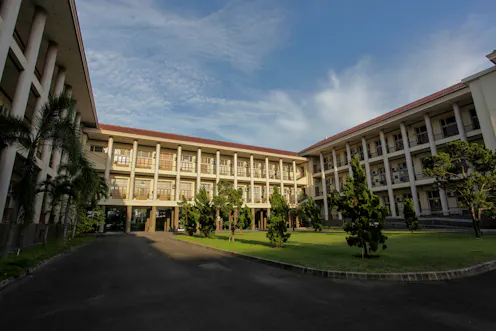
Higher education institutions have started challenging the role of states as the dominant force in attracting foreign investment – particularly in terms of human talents and technological resources.
In English – Artikel, Analisis, Komentar
Menampilkan 301 - 325 dari 646 artikel
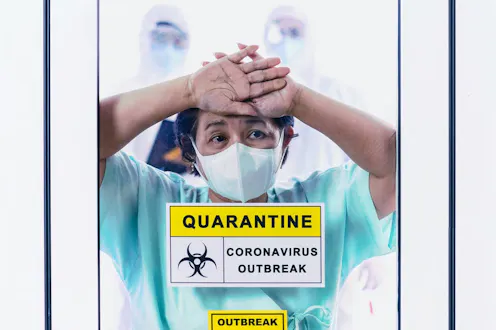
The Lancet launched an independent investigation but ran into resistance from the institution, which refused to disclose the raw data, forcing the journal to retract the article.

Despite clear air as a result of the pandemic reducing human activities, our emissions still soar.
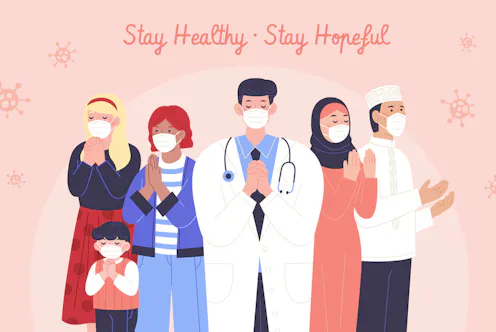
Religion and religious leaders may make the best of this pandemic by becoming part of the solution to curb the spread of the virus.

Like the COVID-19 pandemic we’re facing, racism is present in every nook and corner of this planet.
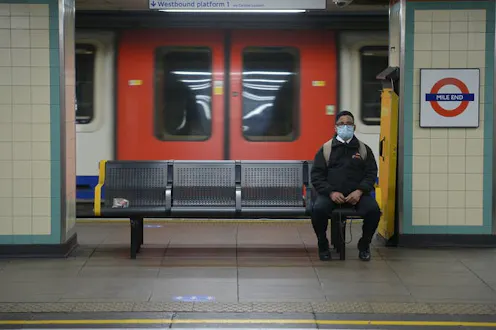
In this week’s round-up of coronavirus articles by scholars around the globe, we explore the disproportionate impacts of COVID-19 and the latest on drug trials.
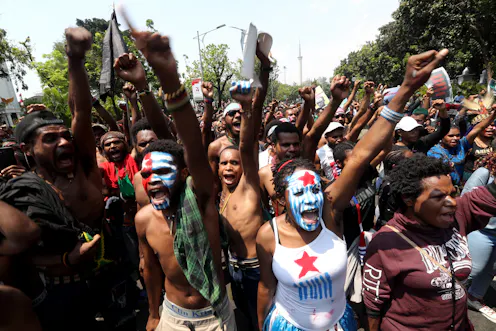
Although different, comparing the two causes is important in raising our awareness of discrimination and violence against indigenous Papuans.
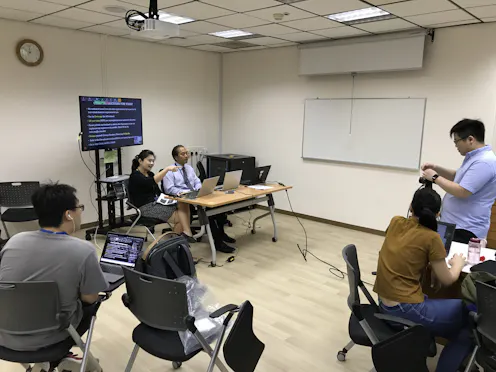
The pandemic has intensified online learning, but educators are struggling to keep students engaged. Faculty members from the National University of Singapore offer three strategies to overcome this.
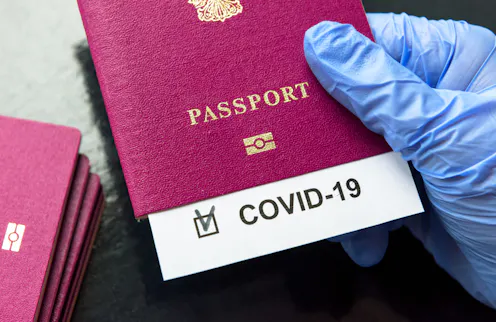
After the 9/11 attacks, global security measures focused on terrorism. Now, after the COVID-19 pandemic, similar measures are being applied to countering disease.
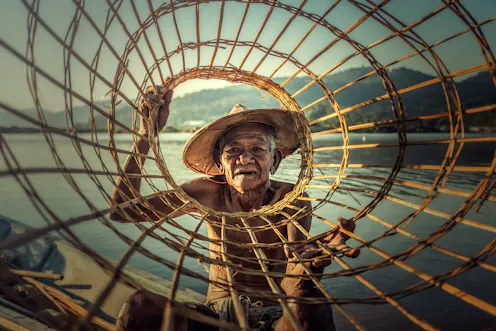
Traditional fishers are one of the most economically vulnerable professions in Indonesia. But, my research found that they are happier than those in other professions.
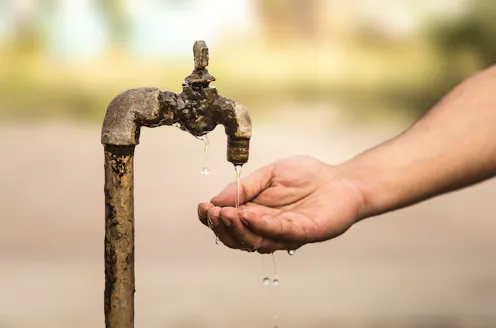
During normal times, and even more during the present pandemic, access to clean water and proper sanitation is essential.
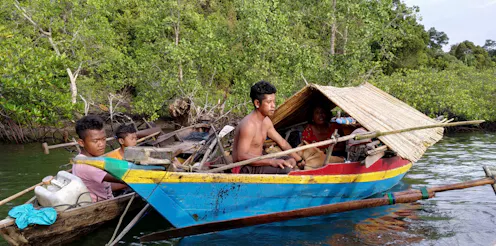
Traditional ecological knowledge of Indigenous peoples offers ways to adapt to climate impacts.
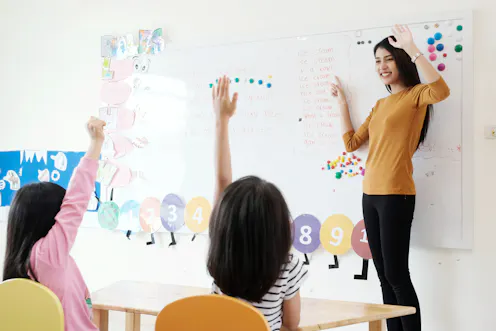
Amid the COVID-19 pandemic, Indonesian teachers have struggled to adapt to online learning. To overcome this, teachers should be taught to be bolder in introducing ‘uncertainty in learning’.
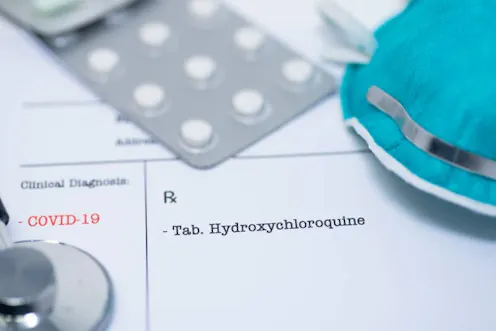
Drama on massive production and importation of HCQ/CQ throughout the world has once again served as a reminder that public policy must stand on solid scientific foundation.
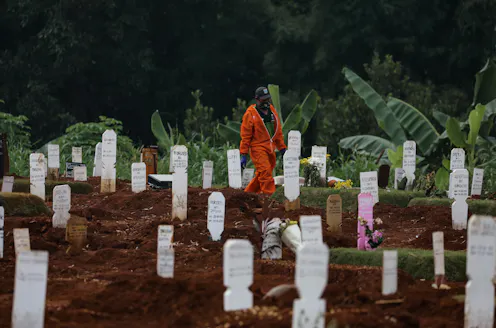
Southeast Asia’s largest economy, Indonesia, has again shown it prioritises the economy over its people during the COVID-19 pandemic.
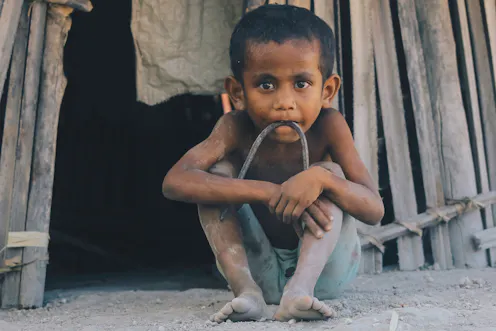
Bappenas conducted a simulation to predict how COVID-19 will impact poverty in Indonesia. Without intervention, the pandemic will drag at least 3.6 million Indonesians into poverty by the end of 2020.
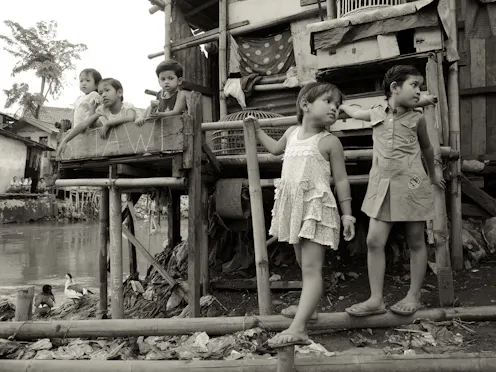
COVID19 threatens to reverse years of Indonesia’s positive trends in poverty alleviation. We highlight lessons from past policies to prevent another poverty hike during the pandemic.

Since the lockdown went into effect, new signs responding to the government’s directions have been noticeably visible, created by both the government and private businesses.
A large part of the debt the Indonesian government is taking on to fight the COVID-19 pandemic is as a 50-year loan in US dollars. That could create a big problem in coming decades.
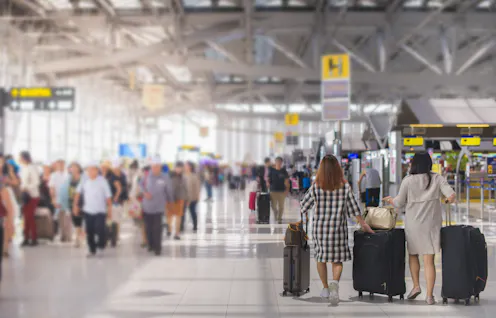
Economic lockdowns and border restrictions have caused cross-border movement to plunge. Could this be the beginning of a system that’s more resistant to global ecological disaster and pandemics?
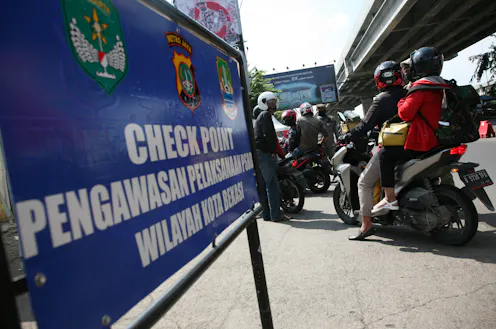
The decision is further proof that the government still prioritises the economy over its own people’s well-being during this pandemic.
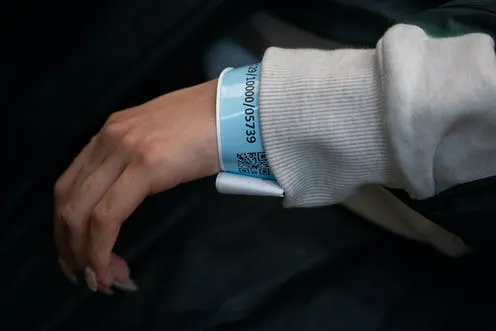
Indonesia currently stands at an important crossroad to prevent further COVID transmission, this article recommends 6 evidence based strategies for Indonesia to control COVID without a lockdown.
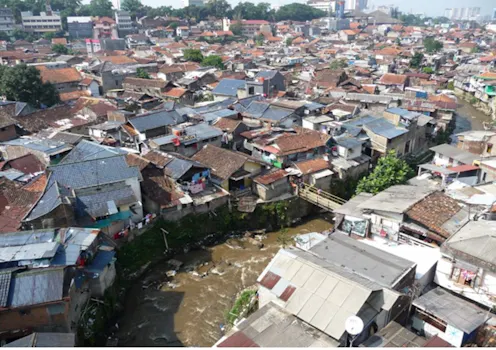
The plight of the urban poor affected by COVID-19 highlights the need to to reaffirm that adequate housing, water supply and sanitation are basic human rights.
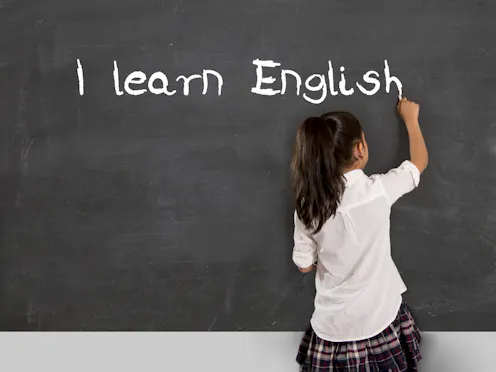
Second-language learners from different age groups seem to have equal chances of becoming highly proficient speakers as long as they are placed in a supportive environment.
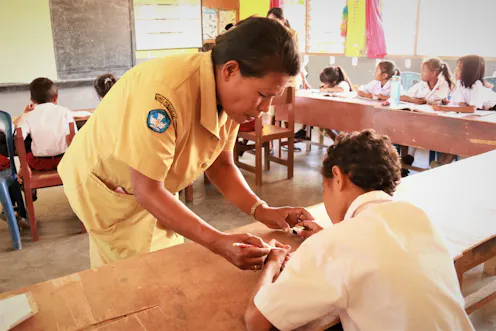
Female teachers perform better in the classroom and women principals lead to achieve better school management. But, female educators have to wait longer to be promoted.