
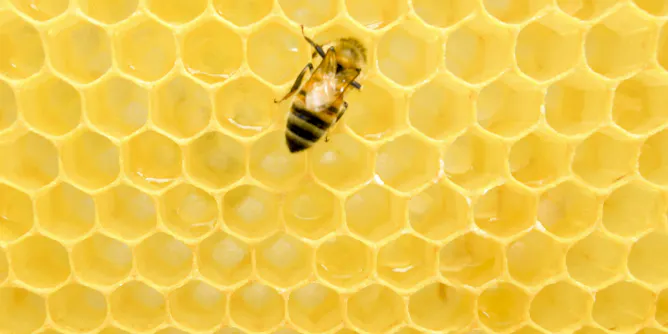
3D printing makes it easier for engineers to design cheap, lightweight materials that reflect patterns found in nature.
Articles on 3D printers
Displaying all articles
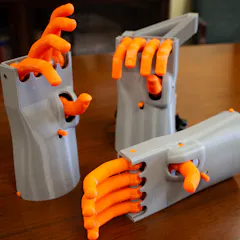
When historians and engineers work together, they can bring a version of the past back to life.

Custom implants and grafts made with a patient’s own cells can greatly reduce the risk of rejection.
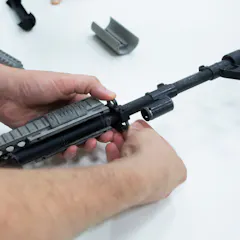
Low-cost, untraceable firearms can now be made in suburban garages. Laws to deal with them are inconsistent and put community safety at risk.
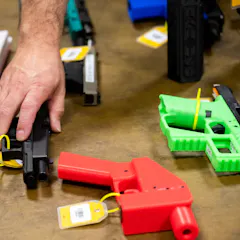
The use of 3D-printed guns in criminal and violent activities is likely to continue to increase. And governments and police will continue to have trouble regulating them.
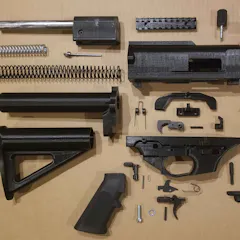
Rajan Basra explains the backstory to the FGC-9, the world’s most popular 3D printed gun - and his search for its anonymous creator. Listen on The Conversation Weekly podcast.

Growing numbers of insurgents, terrorists and extremists are using the FGC-9 3D-printed gun. Here’s what I learned about the man who created it, and the dark world he inhabited

Ballooning inventories are to blame for much of the fashion’s sector carbon footprint. Could on-demand production solve such problems?
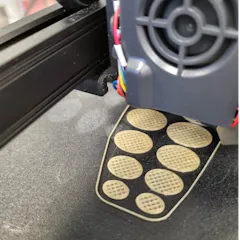
One size doesn’t fit all – customising your medicines with 3D printing could be a game changer, especially for people with complex medical needs.

Scientists used Lego to build a bioprinter capable of printing human tissue samples.

Not since the adoption of the steel frame has there been a development with as much potential to transform the way buildings are conceived and constructed.

Organ models that more accurately capture finer details could reduce surgical error and lead to personalized implants.

Successes in the lab mostly don’t translate to people. Research models that better mimic the human body could close the gap.

We have relatively strict, but not infallible, gun laws in Australia. So to stop 3D guns becoming more available, we need to look at stopping the digital design files.
Top contributors
-

Senior Research Fellow, International Centre for the Study of Radicalisation, King's College London
-
Associate Professor and Director of Research, The University of Queensland
-
Associate Professor of Mechanical and Aerospace Engineering, University of Florida
-
Senior Lecturer at the School of Pharmacy and Pharmaceutical Sciences, Cardiff University
-
Host, The Conversation Weekly Podcast, The Conversation
-
Assistant Professor of Chemistry and Biochemistry, University of Maryland, Baltimore County
-
Director of the Institute for Smart Structures, University of Tennessee
-
Professor, Lectra Fashion and Technology Chair, ESCP Business School
-
Senior lecturer, Deakin University
-
Lecturer and Director of Postgraduate Research Studies at the School of Pharmacy and Pharmaceutical Sciences, Cardiff University
-
Senior Lecturer, The University of Queensland
-
Senior Lecturer at the School of Pharmacy and Pharmaceutical Sciences, Cardiff University
-
Ph.D. Candidate in Materials Science and Engineering, University of Florida
-
Research scientist, The University of Queensland
-
Associate Professor of Engineering, University of Wisconsin-Stout Polytechnic