
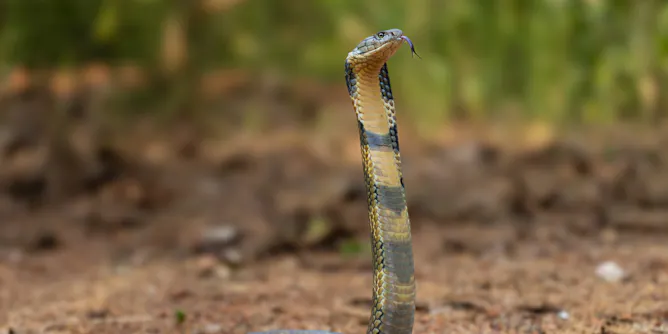
Horses have been used to make antivenom for more than a century. Could our new research offer a better way?
Articles on Antivenom
Displaying 1 - 20 of 24 articles

A new study of European vipers challenges the idea that snakes use venom to inflict pain on predators.
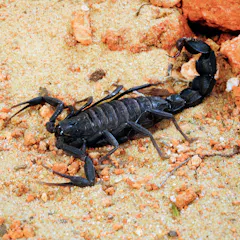
At least 1.2 million scorpion stings are recorded each year – and around 3,000 people, mainly children, die from them.

In sub-Saharan Africa, over 300,000 people are envenomed each year, leading to over 7,000 deaths and almost twice as many amputations.
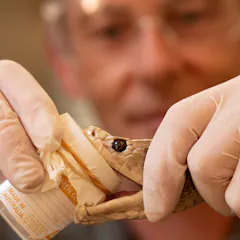
A man spent 18 years injecting himself with venom, almost dying more than once – and now his blood is behind a new snakebite treatment.
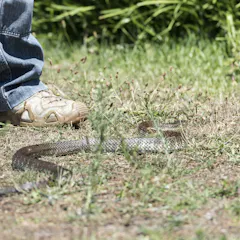
First aid guidelines for snake bite include staying still. But that can be tough if you’re in a rural or remote location.
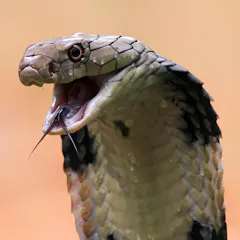
Snake venom experts Stuart Ainsworth and Christoffer Sørensen talk to The Conversation Weekly podcast about the search for an antivenom that could neutralise toxins from multiple different snakes.
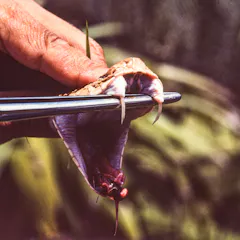
By reporting this new way that future antivenoms can fail, the research has highlighted a problem with current antivenom testing recommendations.
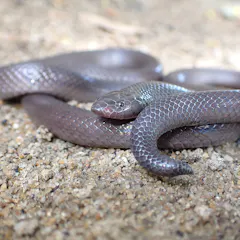
Even by conservative estimates, Mozambique’s snakebite figures are far higher than previously thought.
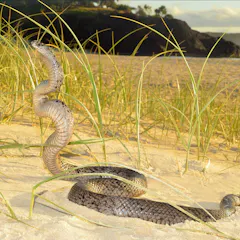
Over 150 types of venomous snake live in Australia. But deaths from snakebite are vanishingly rare. From snake behaviour to human innovation, here are the reasons why.
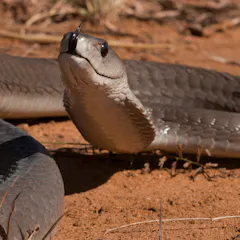
The World Health Organisation has a plan to halve deaths and disability from snakebites
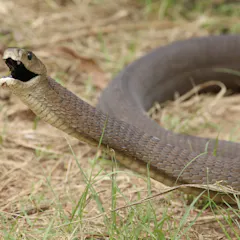
Coordinated international efforts may be key to improving the life expectancy and health of many snakebite victims.

Indian-made antivenoms, common throughout Africa because they are affordable, showed little-to-no neutralisation of the African Echis venoms.

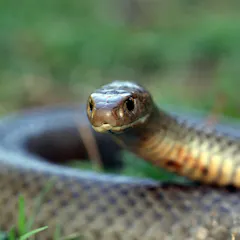
There has been at least one fatal bite from a very small brown snake in Australia. But now we know that venom is different in adult and baby brown snakes.
Don’t hold back. Performing CPR on a snakebite victim who has collapsed can save their life, however imperfect your technique.
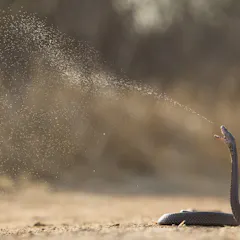
The best cure against a snakebite is to avoid being bitten at all. Here is what you need to know about snakebites, antivenom, and what you need to do if bitten.
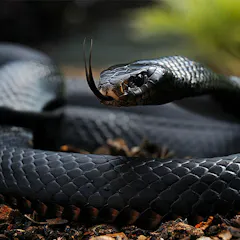
One way to tackle the snakebite antivenom crisis may be through biotechnological innovation to make antivenoms more cost-effective, easier to produce, and more efficacious against snakebites.
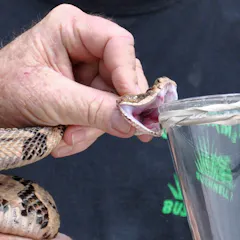
Many venoms contain bioactive components that are so stable to the body’s enzymes and selective of their biological target that they’re increasingly being used as novel research tools.
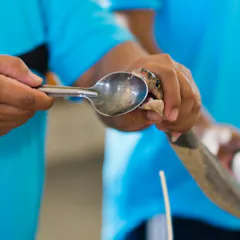
Your guide to the cocktail of deadly chemicals in animal venom.

Australian snakes are the best mouse killers in the whole world. And while that’s clearly bad news for mice, how does it translate into human risk?
Top contributors
-

Professor & Head of Section at the Department of Biotechnology and Biomedicine, Technical University of Denmark
-
Research Fellow and Co-head, Australian Venom Research Unit, The University of Melbourne
-
Postdoctoral researcher, Department of Biotechnology and Biomedicine, Center for Antibody Technologies, Technical University of Denmark
-
Director, Clinical Toxicology Research Group, University of Newcastle
-
Associate Researcher, The University of Queensland
-
Post Doctoral Researcher, Technical University of Denmark
-
PhD Student Department of Bio and Health Informatics, Technical University of Denmark
-
Research Scientist, The University of Queensland
-
Host, The Conversation Weekly Podcast, The Conversation
-
PhD Candidate, Department of Biotechnology and Biomedicine, Technical University of Denmark
-
Lecturer, Lúrio University
-
Researcher at Instituto Clodomiro Picado, Universidad de Costa Rica
-
Emeritus Professor, Instituto Clodomiro Picado, Universidad de Costa Rica
-
PhD student, Molly Wardaguga Institute for First Nations Birth Rights, Faculty of Health, Charles Darwin University
-
Associate Professor and Lead of Statistical Support Network, Australian National University