
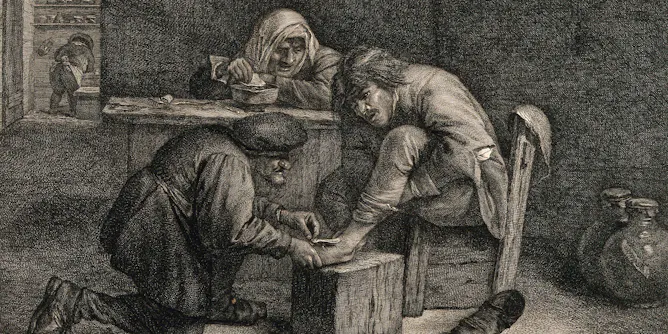
Keeping wounds clean and infection free has challenged people for thousands of years.
Articles on Bacterial biofilm
Displaying all articles
Antibiotic resistance has contributed to millions of deaths worldwide. Research suggests that any bacteria can develop antibiotic tolerance, and possibly resistance, when pushed to their limits.
Bacteria can become more deadly and antibiotic-resilient in space. And while more research is needed to figure out how severe the risks are, they could be catastrophic.
Smooth surfaces often provide nooks and crannies for bacteria to hold onto and create a colony. New research with nanoparticles is revealing the secrets of surfaces that prevent bacterial attachment.
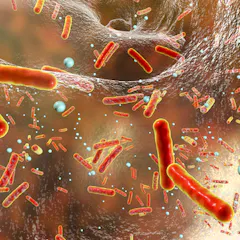
Triclosan, an ingredient in soap and many household cleansers, has gained a bad reputation. A recent study looking for a way to boost an antibiotic, however, found that tricloscan did a great job.
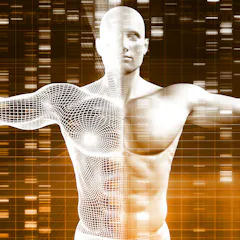
The answer – fewer than are in a banana – has implications for the study of human health and raises questions about what generates complexity anyway.
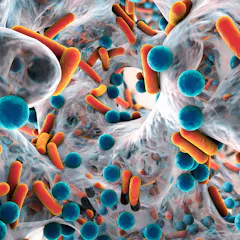
Poor testing methods and antibiotic use by GPs and urologists has left thousands of women with crippling infections.
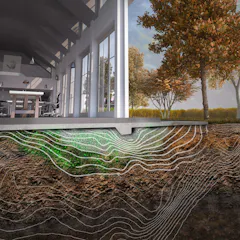
Bacteria can produce their own ‘buildings’ so scientists are genetically engineering them to build ours.
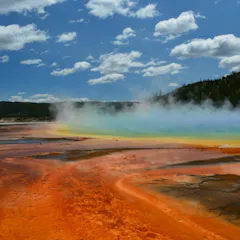
The vast majority of the bacteria that surround us are not free-floating but prefer to band together in cooperative communities called biofilms. How do biofilms form and cooperate?
Top contributors
-

Professor of Chemistry, Mississippi State University
-
Professor of Medicine, Whittington Campus, UCL Medical School, UCL
-
Professor of Biological Sciences, Binghamton University, State University of New York
-
Professor of Emerging Technology, Co-director of the Hub for Biotechnology in the Built Environment, Newcastle University
-
Associate Professor of Microbiology, Michigan State University
-
Research Professor of Ecosystem Science and Management, Penn State
-
Lecturer in Microbiology, Cardiff Metropolitan University
-
Molecular microbiologist, Adelaide University
-
Ph.D. Candidate in Microbiology, Cornell University