

New data shows mining remains one of Australia’s most unequal industries – but the gender gap isn’t just about pay.
Articles on BHP Billiton
Displaying 1 - 20 of 35 articles

Trump’s tariffs on China could further slow the economy of Australia’s largest trading partner.
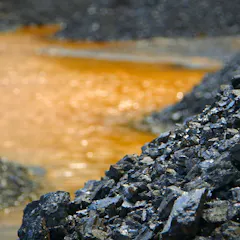
Despite voting to remain a member of an Australian coal lobby group, there are growing divisions between fossil fuel extractors and the larger energy industry.
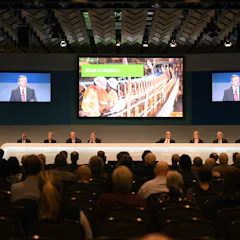
The shareholder resolution on climate change at Rio Tinto’s AGM is another indication of how much investor culture is tilting towards demanding that companies take a responsible climate stance.
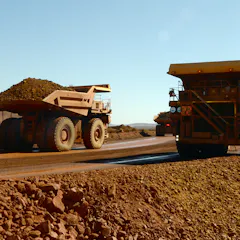
BHP’s rebrand is unlikely to affect the bottom line, research shows. But if it improves relations with politicians and voters, it would still be a success.

Rather than lifting investment, Australian businesses have chosen to return cash to shareholders in the form of record dividends and share buybacks.
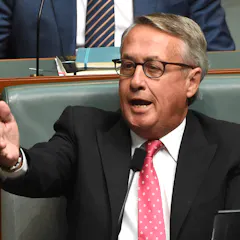
Transfer pricing is a common form of legal tax avoidance, and it’s costing governments millions.

A number of Australian companies have released tax reports to the public in a bid to show transparency, however those reports are still incomplete.
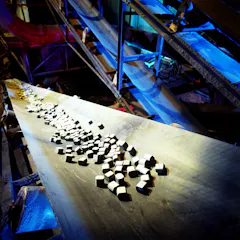
The mining industry is more resilient because of the recent downturn and it will be global supply and demand that will affect these companies in the future.
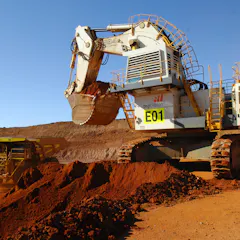
Increased competition and weak commodities prices will pressure to the mining sector to cut costs.
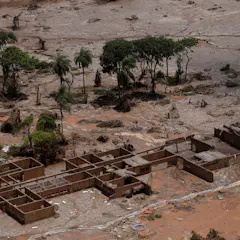
Research indicates that senior corporate leaders largely escape negative consequences when their companies are involved in environmental breaches.

BHP’s board has navigated well through mining’s highs and lows and still passed the shareholder value test.

With costs set to run into the billions, the Samarco mine disaster will hang over BHP for some time to come.
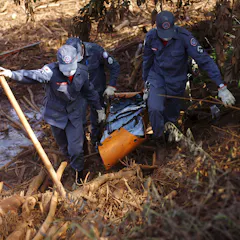
How culpable should BHP executives be for the deaths caused by the Samarco dam burst disaster in Brazil?
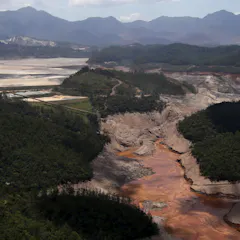
Six people are dead and more than 20 missing following the Samarco mine disaster in Brazil. But in the rush to blame we must consider the complexity of such failures.
Only a few coal producers are undertaking risk assessments about the danger of coal assets becoming “stranded”, or unviable.
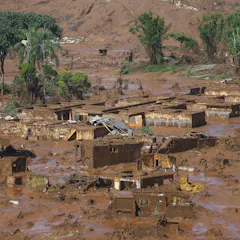
BHP and Vale are under intense scrutiny following the failure of two dams associated with a joint venture iron ore mine in Brazil. It is believed 28 people have died.
BHP Billiton’s Andrew Mackenzie says his firm is Australia’s largest taxpayer, pays an average of $8 - $10 billion of tax in Australia every year and has an effective tax rate of 45%. Is that right?
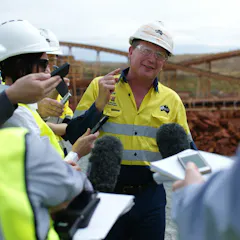
High cost iron ore producers should either reduce their costs or leave the market if they cannot compete.
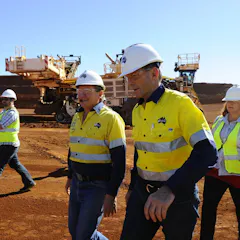
While it’s easy for the large miners to argue increased iron ore production is business as usual, the overall cost to the sector warrants a closer inspection.
Top contributors
-

PhD Candidate, casual academic, University of Technology Sydney
-
Senior Lecturer in Accounting, Adelaide University
-
Honorary Professor, Fenner School of Environment and Society, ANU College of Science, Australian National University
-
Associate Professor, Accounting, University of Technology Sydney
-
Principal Fellow, Melbourne Business School
-
Director, Australian Industrial Transformation Institute, Flinders University
-
Professor, Crawford School of Public Policy, Australian National University
-
ARC Research Fellow, University of Sydney
-
Bond University
-
Professor, Finance, The University of Western Australia
-
PhD Candidate, The University of Melbourne
-
Professor, UTS Business, University of Technology Sydney
-
Senior Lecturer in Law, Graduate School of Business and Law, RMIT University, RMIT University
-
Accounting and Business Ethics Lecturer, International College of Management
-
Senior lecturer, University of Technology Sydney