

The missions the foundations’ original donors champion during their lifetimes can become outdated after they’ve died.
Articles on Bill & Melinda Gates Foundation
Displaying 1 - 20 of 48 articles
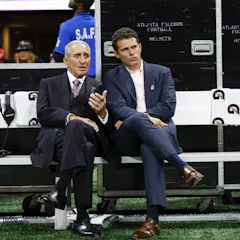
Three philanthropy scholars size up the latest data on gifts from the country’s biggest philanthropists.

Now that the US has stopped funding Gavi, the vaccine alliance will likely become more dependent on philanthropy than ever before.

When university administrators accede to donor demands, they punish students for enacting the core values and principles their institutions profess.

As giving receded to pre-pandemic levels, most of these gifts were designated for foundations, higher education, hospitals and medical research.
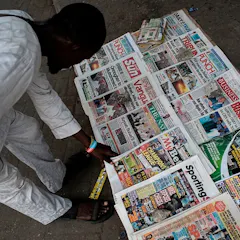
The news media provide a very particular case study of gender discrimination.

Three scholars weigh in regarding the priorities of these wealthy American donors, who gave less to social service and racial justice groups than in the first year of the COVID-19 pandemic.
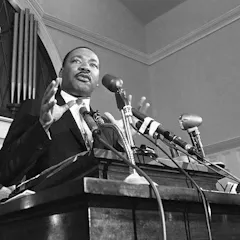
Big donors need to balance their ambitions to address injustices with the constraints on power that democracy requires.

Research questions the idea that getting commercial seeds and fertilisers to smallholder farmers will double yields and incomes.

New payment models may mean more of the people who need these treatments can get them.

The investor has already given much of his fortune to charity and has pledged to donate nearly all of the rest.

Winners of a new gender-equity contest do an array of work that includes helping caregivers and trying to reduce intimate-partner violence.

The inefficient vaccine allocation rules currently in place must be replaced by new cooperative institutional structures and more concrete steps by the Group of Twenty (G20) countries.

Under a proposal from a Bill and Melinda Gates Foundation initiative, the federal government would collect data on student economic outcomes.
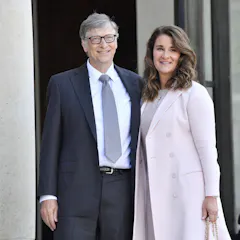
Our preoccupation with the personal relationships of big donors is overshadowing charitable efforts.

Women’s philanthropy, which has always been very important, has remained invisible for a long time. There are many reasons for this paradox.

Licensing agreements between pharmaceutical companies and the Medicines Patent Pool, in cooperation with the WHO, could accelerate access to doses for the poorest countries.

Two scholars of philanthropy and geography who reviewed the numbers see cause for concern about the agility and priorities of grantmakers during a crisis.

The anti-vaccine movement is the product of a structural problem, reflecting a lack of trust in the existing global vaccine governance.

Side agreements signed by some wealthy nations threaten to undercut global efforts to ensure a fairly equitable worldwide vaccination effort.
Top contributors
-

Professor of Political Science, Fordham University
-
Professor of Public Administration, Binghamton University, State University of New York
-
Frey Foundation Chair for Family Philanthropy, Grand Valley State University
-
Bob and Carol Mattocks Distinguished Professor in Nonprofit Leadership, North Carolina State University
-
UNESCO Chair in AI Ethics & Governance, IE University
-
Director, Centre for Philanthropy, University of Kent
-
Daniel Patrick Moynihan Senior Lecturer in Public Policy and Public Finance, Harvard Kennedy School
-
Lecturer in International Relations, University of Sydney; City St George's, University of London
-
Research Associate of Philanthropy, Women's Philanthropy Institute; Doctoral student of Philanthropy, Indiana University
-
Research Systems Manager, African Academy of Sciences
-
Professor of International Development, The University of Western Australia
-
Senior Lecturer, Department of Media and Communications, Faculty of Arts and Social Sciences, University of Sydney
-
Interim Director of the Women's Philanthropy Institute, Indiana University
-
Doctoral Student Educational Leadership & Policy Studies, Arizona State University
-
Vice-Chancellor, SOAS, University of London