
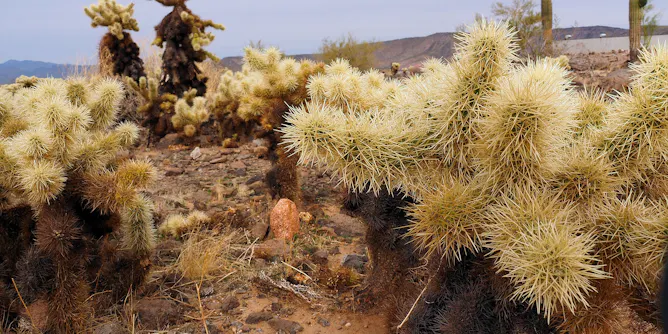
What do cacti spines and wasp stingers have in common? What about snail genitalia and shark teeth?
Articles on Biomechanics
Displaying 1 - 20 of 81 articles

Returning a tennis serve depends on one of the brain’s most remarkable abilities: predicting the future.
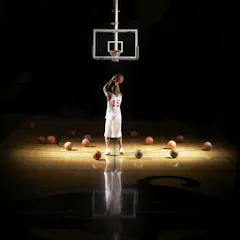
Elite athletes miss plenty of shots during March Madness and the NBA playoffs. Training both brain and body can help even beginners and novices get more net.
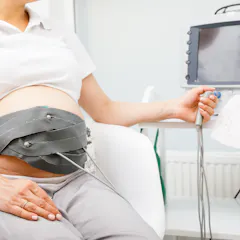
Research gaps in biomechanics and foetal movement may be holding back improvements in maternity safety.

Researchers are questioning whether the very features that are meant to boost performance may actually increase the risk of running-related injuries.

Despite good hydration and nutrition, many athletes across sports still suffer from unexpected cramps. The courts and fields they’re playing on may be the missing link.
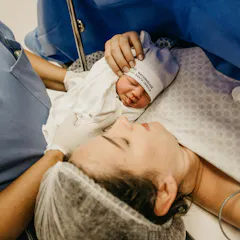
We know more about the mechanics of space than of childbirth. With no studies or evidence, care is based on assumptions, and women are paying the price.

The answer lies in the elegant biomechanics of how our bodies interact with this wonderfully simple machine.
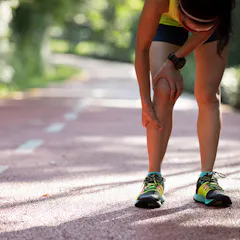
If you’ve just started running or your workout is more intense, you might have felt it. A dull, nagging ache down your shins after you exercise.

The truth is there’s no one right way to run. Your ideal technique depends on factors such as leg length and muscle mass. But there are five basics to keep in mind.
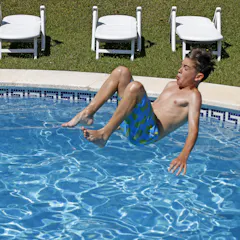
Do a manu jump and you’ll likely make the biggest splash at the pool party.

Pushing a stroller changes how runners move, lowering some injury risks while raising others. Here’s what the biomechanics data reveals.

Gout Gout is challenging some conventional sprinting paradigms – namely that raw power and muscle mass are the primary determinants of speed.

In skill acquisition, many coaches and athletes believe there is one optimal technique to copy. But this approach ignores a crucial reality.

There are signifiant advantages to being tall on a tennis court, due to some fascinating physics and biomechanics.
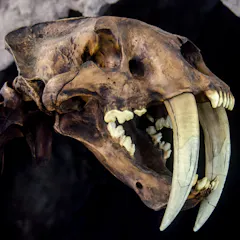
The long, sharp, blade-like canines found in many extinct predators evolved at least five times throughout history.

A first-ever biomechanics study of two First Nations weapons systems has identified the design features that make them so formidable.

A term emerged in the 1980s for a spinal cord injury caused by breaking called ‘break-dancing neck.’

How and why preterm birth happens is still unclear, in part because research on pregnancy tends to focus on developmental biology.

It also explains why there are exceptions to the rule – including humans, who have strikingly short faces relative to the braincase.
Top contributors
-

Professor of Biomechanics, Edith Cowan University
-
PhD Candidate in Biomechanics and Skill Acquisition, Victoria University
-
Professor of Biomedical Engineering and Rehabilitation Medicine, Emory University
-
Associate Professor in Perinatal Biomechanics and Health Technologies, University of Lancashire
-
Lecturer & Movement Scientist / PhD Sports Biomechanics, Flinders University
-
Lecturer in the School of Applied Sciences, Edinburgh Napier University
-
Lecturer in Biomechanics, University of Bath
-
Assistant Professor, Victoria University
-
Research Fellow, The University of Queensland
-
Associate Professor, University of Colorado Boulder
-
Professor of Mechanical Engineering, Northwestern University
-
Professor of Biological Sciences, Georgia Institute of Technology
-
Postdoctoral research fellow, University of Tasmania
-
Professor of Evolutionary Biomechanics, Royal Veterinary College
-
Research Associate in Ecology and Evolutionary Biology, University of Connecticut