

Hypnobirthing aims to reduce fear and pain during childbirth. But while the evidence suggests it’s associated with decreased use of some pain medications, it doesn’t affect epidural rates.
Articles on Birth
Displaying 41 - 60 of 102 articles

The number of births in the United States have been falling for the last three decades, reaching their lowest number in 32 years.

The Hyde Amendment bans federal abortion funding for most people.

Having multiple romantic partners also offers greater financial and logistical support when raising children, according to research with polyamorous families.

The benefits of midwifery for women and babies globally are clear. In Canada, innovations in midwifery centres and services are tempered by low pay and high rates of burnout.

Babies undertake a massive transition during labour and delivery as they move from the supported environment of the uterus to independent existence.

The number of births in the US is down 2% – to what the CDC calls ‘the lowest number of births in 32 years.’ This drop brings the US more in line with its peers.

The Duke and Duchess of Sussex wish to keep the arrival of their baby private – and it’s caused some consternation. But this was normal for most medieval women.

The evolution of live birth from egg-laying is no mean feat. Now new research reports on the first known example where both eggs and a live birth come from the same lizard pregnancy.

When World War II struck, the British government evacuated women to hospitals in the countryside to give birth – and the change still affects maternity care today.

Our birth is one of the all-important bookends of our lives and affects so much of what comes later – so why don’t we think about it more?

Did you ever consider that human beings might have a breeding season? Birth seasonality exists – and has interesting implications for childhood disease outbreaks.

Tokophobia is a pathological fear of pregnancy and can lead to avoidance of childbirth.

Pre-eclampsia can be dangerous for expectant mothers, but there are ways to monitor and minimise the risks.
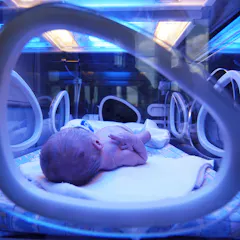
No mother wants their baby to develop jaundice, but it turns out that they should probably be grateful.

It’s 40 years since the birth of Louise Brown, the world’s first test tube baby. But our long read explains how infertility has a much longer history.
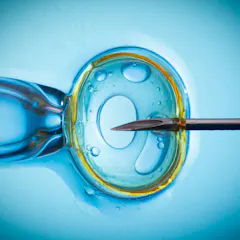
If you are looking to freeze your eggs, here are six things to consider.
Our study found babies born via medical or surgical intervention were at increased risk of health problems, from jaundice and feeding issues, to diabetes, respiratory infections and eczema.

Women often express a fear of giving birth en route to the hospital, and these fears have some basis.
New WHO guidelines warn that medicalisation of birth is creating a lack of choice for birthing women.
Top contributors
-

Professor of Midwifery, Associate Dean Research and HDR, Midwifery Discipline Leader, Western Sydney University
-
Associate Professor of Midwifery, Western Sydney University
-
Senior Lecturer, Evolutionary Biology, University of Sydney
-
Professor in Midwifery, University of Sydney
-
Adjunct Research Fellow, Western Sydney University
-
Associate Professor in Perinatal Biomechanics and Health Technologies, University of Lancashire
-
Professor of Midwifery and Dean in the Faculty of Health Sciences, Southern Cross University
-
Senior Research Fellow in Maternal and Reproductive Health, University of Hull
-
Postdoctoral Research Associate, UNSW
-
PhD Candidate, Faculty of Law, University of Oxford
-
Caroline Homer is a Friend of The Conversation.
Deputy Director (Gender Equity, Diversity and Inclusion), Burnet Institute
-
Honorary Clinical Associate Professor, University of Glasgow
-
Associate professor, UNSW
-
Clinical Research Fellow, Centre for Chronic Disease Prevention, James Cook University
-
Head of Urbanism and Associate Professor of Urban Studies, School of Architecture, Design and Planning, University of Sydney