

The SHIELD (Sleep, Head Injury prevention, Exercise, Learning, and Diet) mnemonic offers a clear and effective strategy for lowering dementia risk.
Articles on Brain plasticity
Displaying 1 - 20 of 31 articles

Decades of research show that SSRIs can be safely used during pregnancy. Meanwhile, untreated depression during pregnancy is associated with poor health outcomes like preterm birth and preeclampsia.
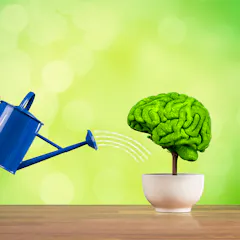
Lifestyle-related dementia risks are complex, with factors like sleep, exercise, diet and social contact interacting with things like cognitive reserve, neuroplasticity and inflammation in the body.

Change in the brain usually comes with plenty of effort over time. Neuroscientists are working to understand how psychedelic drugs provide a shortcut that seems to rely on existing brain systems.
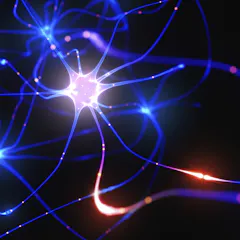
Pinpointing where memories are stored in the brain and how they are transmitted could provide new targets to treat neurological diseases and serve as models for neuromorphic computing.
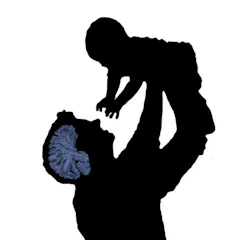
Neuroscientists know that pregnant mothers’ brains change in ways that appear to help with caring for a baby. Now researchers have identified changes in new fathers’ brains, too.

The key to understanding how brains can recover from trauma is that they are fantastically plastic – meaning our body’s supercomputer can reshape and remodel itself.
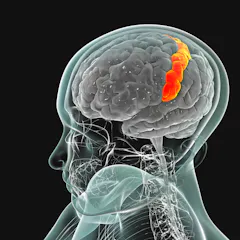
The brain’s somatosensory cortex may help enrich our emotional experiences and improve our mental health. Mindfulness and dance movement therapy may be effective ways to activate it.

How can scientific literature on interpersonal trauma help us better understand the impact of tragedy, especially on children who are still developing?

Experts disagree on what makes someone truly bilingual, and how the human brain accesses multiple languages.

Excessively eating junk foods during adolescence could alter brain development, leading to lasting poor diet habits. But, like a muscle, the brain can be exercised to improve willpower.

Activities that engage your brain, such as learning a new language and completing crosswords, as well as having high levels of social interaction, can reduce your risk of dementia.

In men and older women, a complicated thinking test appeared to overwhelm the part of the brain also responsible for moving one of their arms. They could only do one or the other.

Regardless of how they are consumed, alcohol and other drugs eventually make their way into the brain via the bloodstream. Once there, they affect how messages are sent through the brain.

Even decades after amputation, the brain is still structured as if the hand were there, casting new light on ‘phantom limb’ phenomenon.
There is increasing evidence that bilingualism can affect how the brain works. Older, lifelong bilinguals have demonstrated better cognitive skills in tasks that require increased cognitive control. These…

The human brain is the most extraordinary and complex object in the known universe, a kilogram and a half of soft tissue that, at its peak, leaves computers behind with its endless capacity for problem…

Older people may be able to learn more from visual information than their younger counterparts, according to a study published today in the journal Current Biology. “The take-home message the study authors…

For years, conventional wisdom held that growing older tends to be bad news for brains. Past behavioral data largely pointed to loss in cognitive – that is, thinking – abilities with age, including poorer…
Brain plasticity could be increased by watching videos of basic tasks before performing them, strengthening motor skills…
Top contributors
-

Professor and Head of Epigenetics and Neural Plasticity, Florey Institute of Neuroscience and Mental Health
-
Director, Centre for Traumatic Stress Studies, Adelaide University
-
Associate Professor of Psychology, Brandeis University
-
Adjunct Professor at the National Drug Research Institute (Melbourne based), Curtin University
-
Associate Professor, Karolinska Institutet
-
Postdoctoral Researcher in Cognitive Neurosciences, The University of Queensland
-
Professor in Comparative Cognition, University of Cambridge
-
Neurosurgical Resident, Cantonal Hospital St. Gallen, University of Zurich
-
Researcher, Spinal Cord Injury Centre, University of Zurich
-
Professor, German Center for Neurodegenerative Diseases
-
Visiting Professor UNSW, UNSW
-
Clinical Senior Lecturer, Imperial College London
-
Professor, School of Medicine, Adelaide University
-
Scientia Professor of Ageing and Mental Health, Centre for Healthy Brain Ageing, UNSW
-
Professor of Cognitive Neuroscience, University of Reading