
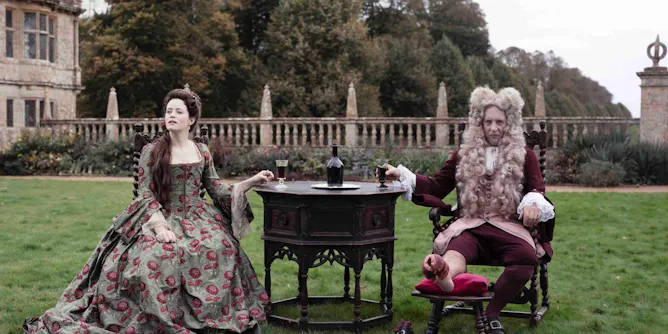
Dirt, sex and faeces abound in 18-century literature.
Articles on Bridgerton
Displaying 1 - 20 of 35 articles

The Netflix show is missing a richer and more accurate history of queer and trans life during that period in history.
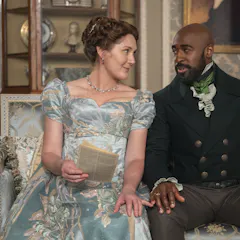
Violet’s storyline reminds us how women over 40 deserve representation as sexually empowered agents – worthy of being seen and valued.
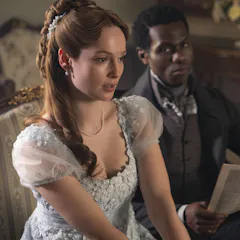
Bridgerton’s talk of ‘the pinnacle’ may have launched countless memes about orgasms. But there’s a lesson for all parents.
More and more romance adaptations are starting to appear – but what makes the translation from page to screen really sing?
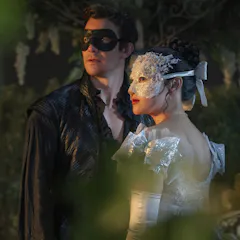
In the case of Elizabeth Chudleigh, it was more like lust at first sight.
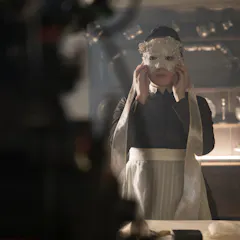
Benedict Bridgerton has fallen for a woman from a different class and his class power complicates the issue of consent.
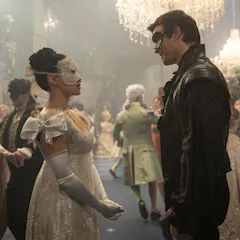
Dancing masters were crucial to transforming girls and boys into ladies and gentlemen.
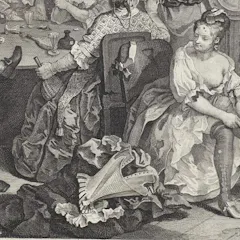
Like a supportive hug, stays provided fantastic bust and lower back support, while gently and comfortably shaping a woman’s torso.
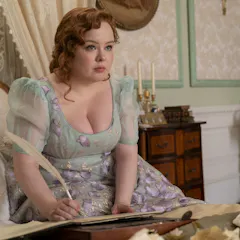
Penelope Featherington uses Lady Whistledown to comment on a society she feels restricted by as a woman.
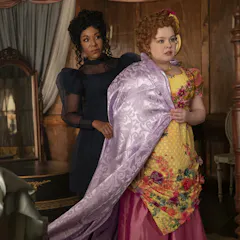
In the Regency period there was advice for women of all sizes.
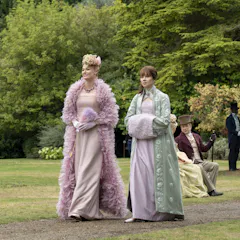
Silk muffs were often made at home and offered women a blank canvas for sartorial self-expression.
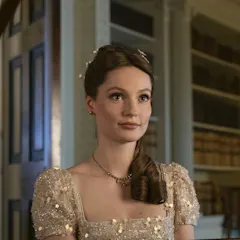
In Regency terms, the ladies of Bridgerton would have been seen as quite unfashionable with their painted faces.
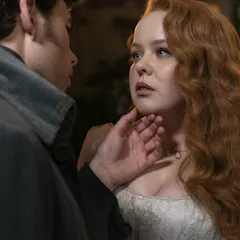
An estimated fifth of Londoners suffered from syphilis in the late 18th century and, behind closed doors, Regency Britons were engaged in extra martial affairs and even polyamory.
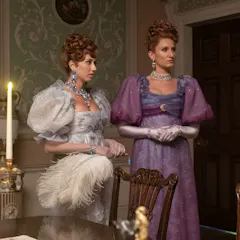
The ladies and gentlemen of the ton would have known a lot more about sex than the show would have you think.
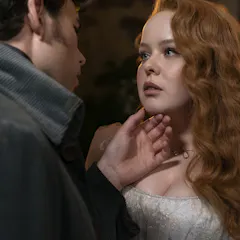
The season three scene between Colin and Penelope got more than a few hearts racing. It’s a refrenshingly rare onscreen portrayal of a larger women in a passionate, sexual encounter.
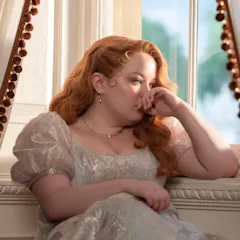
Bridgerton explores relatable experiences that resonate with its audience despite its historical setting.
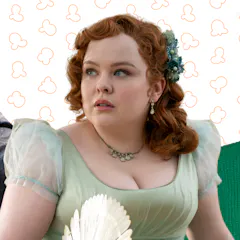
Much to enjoy as Bridgerton returns, a Tudor murder mystery intrigues, the International Booker prize is imminent, the National Gallery is 200 and the genius of Raymond Briggs is on display.
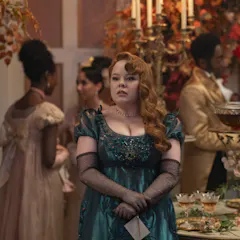
Historical romance allows readers to imagine a better past. For many, this is more important than historical accuracy – which can be ‘the icing on the cake’.
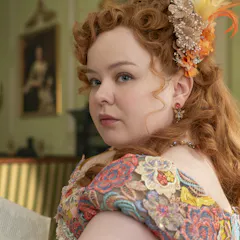
Penelope Featherington enters the third season painfully alone, but will she leave it that way?
Top contributors
-

Senior Lecturer in Writing, Literature and Culture, Deakin University
-
Associate Professor in 18th-century Literature, York St John University
-
Surrey Future Fellow and Lecturer in English Literature, University of Surrey
-
Lecturer in Design Cultures, De Montfort University
-
Senior Lecturer in History, University of Essex
-
Visiting Fellow, School of History, Classics and Archaeology, Newcastle University
-
Professor of English, City University of New York
-
Senior Research Fellow, Division of Health Research and Social Work, Lancaster University; La Trobe University
-
Dean of the School of the Arts, Media, Performance & Design and Professor of Theatre and Performance Studies, York University, Canada
-
Associate Professor, Fashion History, De Montfort University
-
Doctor of Philosophy, The University of Melbourne
-
Lecturer in History, The Open University
-
Associate Lecturer in Illustration, Anglia Ruskin University
-
Relationships Expert & Psychology Educator at the Queensland Centre for Domestic and Family Violence Research, CQUniversity Australia
-
Early-career Researcher, Media and Communications and Writing, University of New England