

Ovarian cancer has a particularly poor survival rate. Only one in two women will live five years beyond their diagnosis.
Articles on Cancer risk
Displaying 1 - 20 of 93 articles
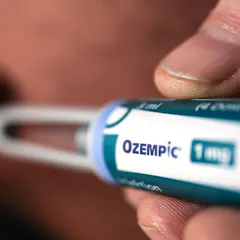
Several studies suggest GLP-1 drugs may lower cancer risk. But that benefit may be due to the patients themselves: those who are healthier, wealthier and with better access to care.

Only 1 in 4 Americans are meeting the recommended guidelines for exercise. Here are some research-backed ways to keep moving, even when it’s hard.
A new study examined whether AI could help us predict breast cancer risk. Two experts unpack its key findings.

If you used talc as a child, or still use it now, here’s what the science says about the link with cancer. It might not be what you think.
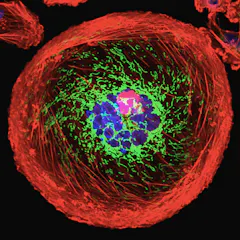
Your body has trillions of cells. But a gene mutation in just one of them could prove fatal.

Only 50% of Colorado homes have been tested for radon.

Bowel cancer is uncommon in those aged under 50, but rates are rising. Here’s how you can reduce your risk.

Colon cancer symptoms can be subtle. While lifestyle changes can help reduce your risk, open communication with your family and doctor is essential.

A new study on animal protein and cancer risk has been widely interpreted as a green light for eating more meat. Not so fast, says expert.

It’s a good idea to let your drinks cool down before you take a sip.

After a day, you’ll feel less dehydrated. After a week, your mood and sleep improves – and the benefits keep going.

Cancer rates are rising among younger people aged under 50. Here’s what we know about the causes – and what the evidence says about the role of plastics.
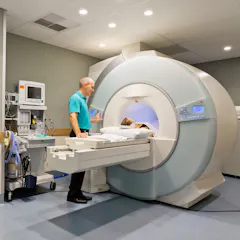
CT scans performed in the US in 2023 alone could eventually lead to over 100,000 extra cancer cases, a new study claims.

Alcohol is the third-leading preventable cause of cancer in the US, accounting for tens of thousands of cancer deaths per year.

“Drink responsibly” messages have not stopped risky drinking. Some say we need cancer warnings on wine bottles and beer cans like we do on cigarette packs.

Statistically, your risk for cancer goes up from the very first sip of alcohol. However, what’s lost in this messaging is how much this risk is.
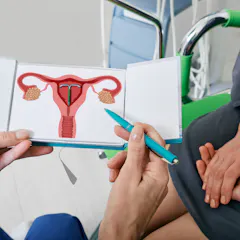
The contraceptive pill is responsible for preventing more cancers than it contributes to. Long-acting contraceptives seem to be as safe when it comes to cancer risk.

Remember that small changes can make a big difference over time.

A new study has found a link between hormonal intrauterine devices (IUDs) and breast cancer. But media reports of a large increase in risk may cause unnecessary worry.
Top contributors
-

Adjunct Professor, School of Psychology, Curtin University and College of Health and Medicine, Australian National University
-
Associate Professor, Deakin University
-
Assistant Professor of Environmental Health, Middlebury College
-
Adjunct Professsor, School of Psychology, Faculty of Health and Medical Sciences, Adelaide University
-
Professor, Department of Biomedical and Life Sciences, Lancaster University
-
Professor at University of Melbourne and Research Fellow, Cancer Council Victoria
-
Timothy J. Jorgensen is a Friend of The Conversation.
Director of the Health Physics and Radiation Protection Graduate Program and Professor of Radiation Medicine, Georgetown University
-
Senior Research Officer, Blood Cells and Blood Cancer Division, WEHI (Walter and Eliza Hall Institute of Medical Research)
-
Associate lecturer, Nutritional Biochemistry, University of Hertfordshire
-
Professor, Paediatrics and Child Health, UNSW
-
Professor of Breast Cancer Research, Institute of Health and Biomedical Innovation and School of Biomedical Sciences,, Queensland University of Technology
-
Professor of Surgery, Eastern Health Clinical School, Monash University
-
Laureate Professor in Nutrition and Dietetics, University of Newcastle
-
Associate Professor, Gastroenterologist & Clinical Epidemiologist, Monash University
-
Associate professor, University of Sydney