

The judge’s decision is a win for public health, but the back-and-forth on vaccine policy may undermine the public’s trust in science.
Articles on Childhood vaccination
Displaying 1 - 20 of 48 articles
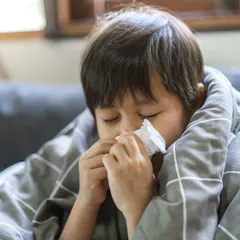
Having an under five in your household increases your risk as an adult of having diarrhoea and vomiting.
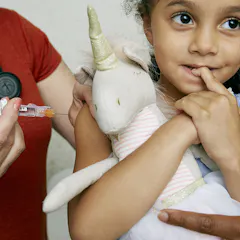
Doctor’s visits are already rushed. Adding extra steps means some children, especially those from low-income families, simply won’t get the vaccines they should.

The decision undoes a highly effective 34-year prevention strategy that has nearly eliminated early childhood hepatitis B infections in the U.S.
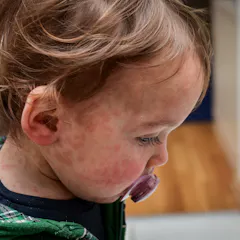
Decreased vaccination rates have led to measles outbreaks in Canada and other countries.
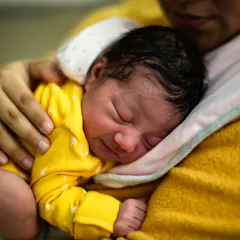
Before universal vaccination for hepatitis B began in 1991, 18,000 children contracted the virus by age 10 each year, and most of them developed chronic illness and liver damage. Vaccination reduced those infections by 95%.

The health secretary has made many inaccurate statements about vaccines. But the science is clear that vaccines have dramatically reduced childhood illness, disability and death.

Anti-vaccination sentiment can be seen as part of a larger societal trend towards individualism.
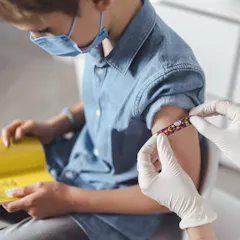
Many claims about the dangers of vaccines come from misrepresenting scientific research papers.
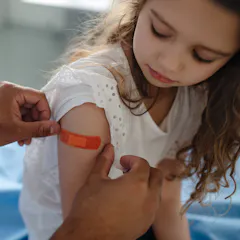
Many claims about the dangers of vaccines come from misrepresenting scientific research papers.
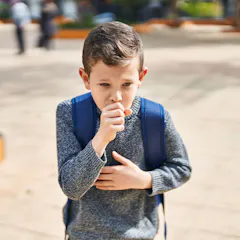
There have been 2,793 confirmed cases of whooping cough so far this year – and, tragically, five infant deaths due to the infection.

At the moment, a child’s access to certain shots can differ depending on whether they live in Queensland or Tasmania.
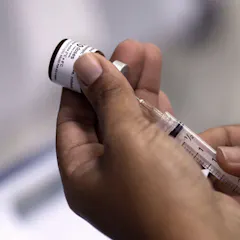
Any upsurge in measles is of real concern, but in settings aggravated by poor living conditions and malnutrition, it can be disastrous. It can affect adults, but young children are at particular risk.
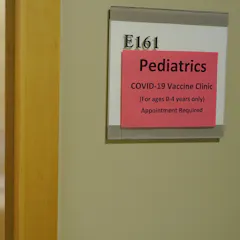
Vaccine skepticism, and the broader medical mistrust and far-reaching anxieties it reflects, is not just a fringe position in the 21st century.
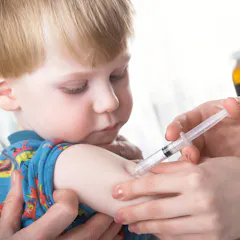
In one country where the chickenpox vaccine is already routine, cases have fallen by 97% since it was first introduced.
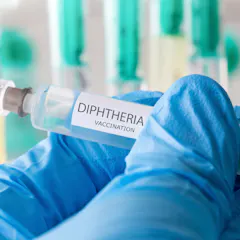
Getting vaccinated is the best way to protect against diphtheria.

Over the last two years, routine immunisation services and coverage of essential childhood vaccines have been disrupted.
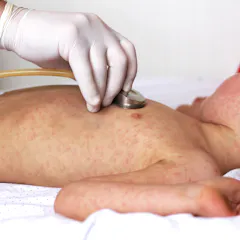
Measles is an extremely contagious disease but, thanks to immunisation, is now rare in Australia.

Catch-up vaccinations are free. These hints and tips will help you get started.

Early treatment with antibiotics can be life-saving.
Top contributors
-

Extraordinary Professor, Global Health, Stellenbosch University; South African Medical Research Council
-
Senior Scientist, Cochrane South Africa, South African Medical Research Council (SAMRC) and Honorary researcher, Division of Social & Behavioural Sciences, School of Public Health, UCT, South African Medical Research Council
-
Professor Emeritus of Biochemistry, University at Buffalo
-
Professor, Discipline of Paediatrics and Child Health, University of Sydney
-
Assistant Professor of Pediatrics, University of Colorado Anschutz
-
Professorial Fellow, University of Canberra
-
Research Fellow, School of Public Health, University of Sydney
-
Professor of Global Biosecurity, NHMRC L3 Research Fellow, Head, Biosecurity Program, Kirby Institute, UNSW
-
Deputy Director, WHO Collaborating Centre for Reference and Research on Influenza
-
Honorary Professor Faculty of Health and Medical Science, Univeristy of Sydney; Senior Researcher Sydney Institue for Infectious Disease, University of Sydney., University of Sydney
-
Michael J. Wise is a Friend of The Conversation.
Associate Professor, The University of Western Australia
-
Professor of Paediatric Infection and Immunity, University of Oxford
-
Professor in Vaccinology, Adelaide University
-
Associate Professor of Anthropology, University of Maine
-
Clinical Professor of Pharmacy Practice, University of Connecticut