
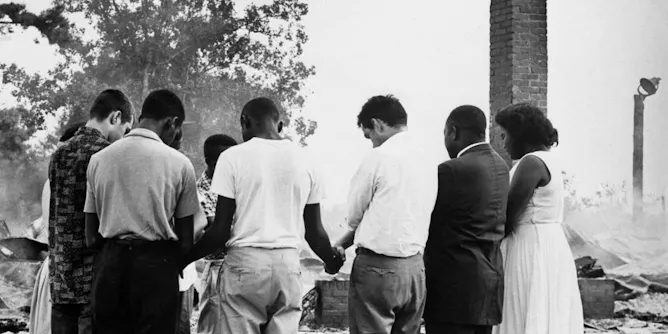
More than 100 Black churches across the South were targeted from the 1950s-70s. Another wave of violence followed in the ‘90s – and there have been attacks in recent years, too.
Articles on Civil rights movement
Displaying 1 - 20 of 108 articles
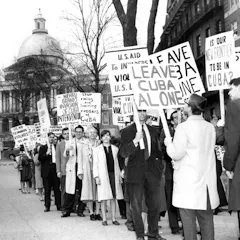
A State Department report on this alleged problem is new, but its claims about alleged communist machinations being behind activist movements in the US are old.
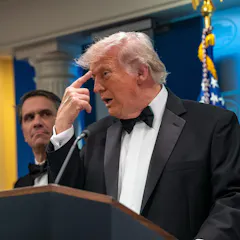
The moral dimension of political polarization in the US, where each side views the other as immoral, helps fuel attacks like the one against Trump at the Washington Hilton.

Classic songs ‘Nowhere to Run’ and ‘Dancing in the Street’ captured the revolutionary spirit of the Civil Rights Movement in the 1960s.

Clergy demonstrating against ICE in Minneapolis have turned to classic ‘freedom songs’ – the music associated with protests ever since the Civil Rights Movement.
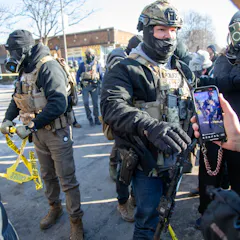
Smartphone video, ICE-tracking apps and 3D-printed whistles have been emblematic of the protests in Minneapolis. Social movements have long latched onto and been catalyzed by new technologies.
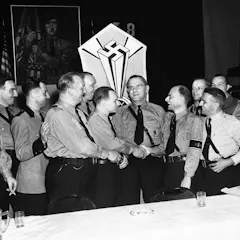
Although thousands of Americans embraced fascist ideas during the interwar years, a new study examines why the US has had little appetite to remember that past.

US coins showcase American identity and public memory through their designs. The America 250 coins just unveiled reflect the nation’s divided politics and history.

The judgment sets a very high bar for suing the news media for defamation.
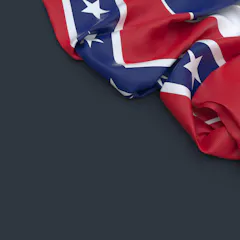
How do white Southerners think about their racial status in a world that is scrutinizing white advantages? Researchers found people across the political spectrum grappling with what being white means.
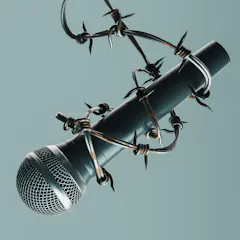
A landmark 1964 Supreme Court ruling protects the press in lawsuits by public officials angry about how they’ve been covered. It’s being targeted by President Donald Trump.
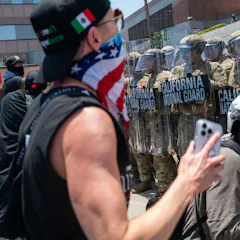
During Jim Crow segregation, political leaders used domestic military power to preserve the interests of racial authoritarians.
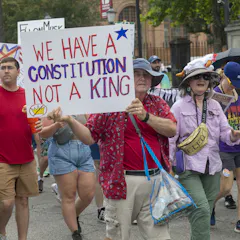
Protests can serve two opposing purposes. They can represent a mass movement in favor of democracy – and simultaneously serve a nascent dictator in their efforts to undermine democracy.
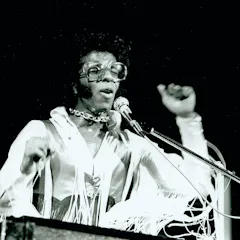
Sly Stone and his band synthesised disparate strands of American popular music, tracking the musical and social shifts as the 1960s wore into the 1970s.

A scholar who studies Spider-Man examines why the statement ‘with great power comes great responsibility’ resonates with viewers and inspires virtuous actions.
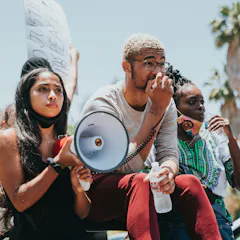
Globally, we’re witnessing a rise in far-right governments increasingly hostile towards universities, historically springboards for progressive change. What should the future look like for universities in Canada?

A civil rights activist who ran for president twice and became a Democratic power broker, Jackson was an American political icon. But above all, he was a Southerner.
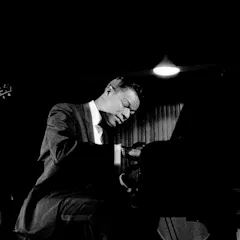
Nat King Cole’s success paved the way for future generations of Black artists.
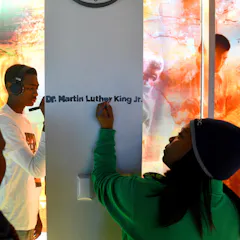
Martin Luther King Jr. popularized the term ‘beloved community’ and gave it his own meaning. But the still-cited phrase was coined decades before.
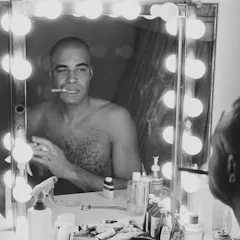
In the heat of the Civil Rights Movement, Jones didn’t give rousing speeches or lead marches. Instead, he doubled down on his art.
Top contributors
-

Assistant lecturer, North Carolina State University
-
Bizot Family Professor of History, University of Memphis
-
Professor of Geography and Senior Research Associate in the Rock Ethics Institute, Penn State
-
E.P. Clapp Distinguished Professor of Politics, Occidental College
-
Professor of History
-
Postdoctoral Teaching Fellow, Princeton Theological Seminary
-
Lecturer of Labor Studies, University of California, Los Angeles
-
Professor of American History, University of Colorado Colorado Springs
-
Managing Director of the McCourtney Institute of Democracy, Associate Research Professor, Political Science, Co-host of Democracy Works Podcast, Penn State
-
Adjunct professor of Justice, Law and Criminology, American University School of Public Affairs
-
Professor of Africana Studies, Morehouse College
-
Associate Dean (Research) and Professor of History, Edge Hill University
-
Professor of American History, University of Sussex
-
The Ohio State University
-
Senior Lecturer in Music, Kingston University