

Medicine and technology may have advanced, but the dangers of the wilderness remain unchanged. The Oregon Trail game provides timeless tips on how to enjoy nature safely.
Articles on Clean water
Displaying 1 - 20 of 29 articles
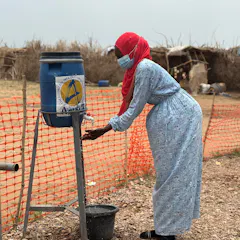
While cholera launched modern epidemiology and has nearly disappeared in many countries, the disease never went away. It has instead retreated to the places least equipped to fight it.

Research shows that wildfires are causing more debris, sediment and chemicals to enter waterways, harming fish and other aquatic life.

Paracetamol has been detected in rivers around the world.

In a country with the capacity to ensure safe water for all, persistent water insecurity in Indigenous communities represents a preventable policy failure — one that’s reflected in health issues.
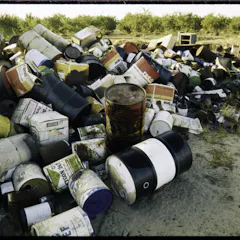
Critics of environmental protection laws may have forgotten how much progress has been made.
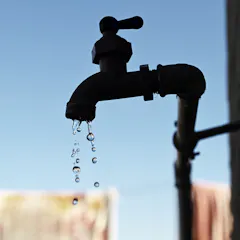
In a disaster or emergency, households can take steps to purify drinking water.

Careful research into public information and in-depth interviews has shown the scale of personnel cuts at the Environmental Protection Agency.
The White House proposal represents a dramatic retreat from the national goals of clean air and clean water enacted in federal laws over the past 55 years.
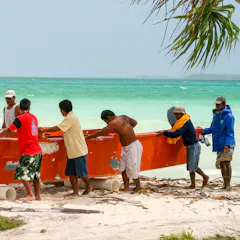
Households that relied on groundwater and rainwater consumed 381–406 grams more sugary drinks per week than those with access to a piped water system.

Halfway to the SDGs’ 2030 deadline, countries have made progress, but most are struggling to meet all 17 goals. The US is no exception.
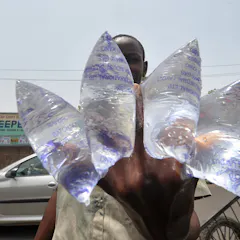
Nigerians lack access to safe water, sanitation and hygiene facilities despite investment in these areas. Procurement law contributes to this inadvertently.
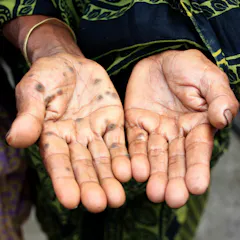
Millions of people worldwide are exposed via soil and water to arsenic, whether naturally occurring or related to pollution. Chronic exposure is linked to the formation of cancer stem cells.

The government uses a process called public procurement. A professor of public policy explains how the process works and how it is increasingly used to achieve social goals.

Female residents of Indonesian fishing village Tambak Lorok show a unique response in dealing with the pandemic.

Addressing environmental racism in Canada is not only a matter of justice, but also of meeting Canada’s human rights obligations
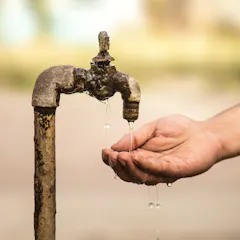
During normal times, and even more during the present pandemic, access to clean water and proper sanitation is essential.

After the Covid-19 pandemic, we must seize the opportunity to make urban centers more livable places by investing in affordable housing, basic services, clean energy and active transport.

More than two billion people live without reliable access to clean water.
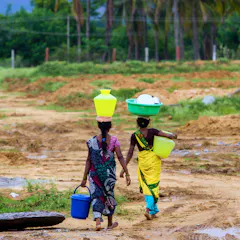
If you have to devote hours a day to collecting water, you miss out on education, a social life and other human rights.
Top contributors
-

Distinguished visiting professor, University of Glasgow
-
Professor in Practice on Environmental Innovation, School of Social and Environmental Sustainability, University of Glasgow, UK, National University of Singapore
-
Professor of Ecological Economics, UCL
-
Clinical Microbiologist, Public Health Ontario. Assistant professor Department of Biology and Molecular Sciences, Faculty of Health Sciences;, Queen's University, Ontario
-
Professor, Conservation Ecology & Entomology, Stellenbosch University
-
Professor, Department of Geography and the Environment, University of Denver
-
PhD Student, Department of Political Science, Michigan State University
-
Deputy Director of the Afrobarometer & Associate Professor in the Department of Political Science and MSU’s African Studies Center, Michigan State University
-
Professor, Director, Griffith University
-
Lecturer and course director in Water Science, Policy and Management, University of Oxford
-
Research scientist and Adjunct Associate Professor, Adelaide University
-
PhD student, Environmental Studies, Queen's University, Ontario
-
Postdoctoral Researcher, Stellenbosch University
-
Research Scholar, School of Law, SOAS, University of London
-
Director DNDi Eastern Africa and Senior Principal Research Scientist, KEMRI, Kenya Medical Research Institute