

Luckily, there are many things you can do to help your brain cope.
Articles on Cognitive function
Displaying 1 - 20 of 52 articles

Tracking thousands of people from birth to their 80s shows that long-term financial stress may quietly reshape the ageing brain.

Preterm babies receive up to 16 painful procedures every day. Pain in early life has been linked to altered brain development and poorer cognitive outcomes.

Water fluoridation programs are a cornerstone of dentistry and public health.

The more physically active a person was, the better they performed on a memory test the following day.
Deciphering how neurons talk to each other by reading the brain’s electrical activity has given scientists insights into memory and conditions like epilepsy and Alzheimer’s.

Many factors shape an individual’s risk for falling prey to deception, including where and how they are targeted.

Studies show that teaching parents how to support their children can lead to improvements in literacy.

Many dieters vouch for the effect of intermittent fasting on their body – but what about their brain?
Research suggests certain gut bacteria may have a role in helping us maintain cognitive function as we age. A celatus is one of these.

A 30-minute walk three times a week was shown to improve physical health and brain function in people with Down’s syndrome.

A meta-analysis of 34 studies has explored how disordered screen use may impact the cognitive performance of individuals.

Synchronizing your daily activities to your circadian rhythm could help you improve your performance on a variety of cognitive tasks − and even influence diagnosis of cognitive disorders.

Addressing the emotional and behavioural drivers of hoarding through therapy is crucial. But sometimes, a harm-avoidance approach is best.

These blood tests results need care when interpreting, and they can not they predict how the disease will affect each person.

While a cup of joe or a brief nap during an all-nighter might help you feel a little more alert, it won’t offset cognitive impairments from sleep deprivation when you’re performing complex tasks.

We used a series of ‘brain training’ style tasks to assess how a COVID infection and persistent symptoms affected cognitive function.

Our study revealed that people who nap frequently have larger brain volume.
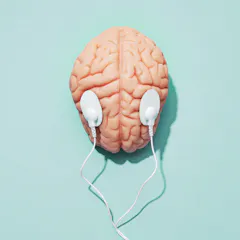
Transcranial alternating current stimulation, or tACS, is a type of brain stimulation that can change neural activity and improve memory, attention and executive function.
Learning new rules requires the suppression of old ones. A better understanding of the brain circuits involved in behavioral adaptation could lead to new ways to treat schizophrenia and bipolar disorder.
Top contributors
-

Research Associate, University of Glasgow
-
Professor, Mental Health and Addiction, Rural Health Research Institute, Charles Sturt University
-
Contract Lecturer in Digital Media, Toronto Metropolitan University
-
Programme Leader in Psychology with Criminology, Northumbria University, Newcastle
-
Emeritus Professor, National Centre for Youth Substance Use Research, The University of Queensland
-
PhD researcher and demonstrator, Northumbria University, Newcastle
-
Curtin Senior Fellow, Professor & Clinical Neuropsychologist, Curtin University
-
Honorary Fellow, Department of Health Sciences, University of York
-
Professor of Psychiatry, University of Glasgow
-
Associate Professor, School of Psychological Sciences, Macquarie University
-
Research Fellow, Harvard Medical School, Research Fellow, Florey Institute of Neuroscience and Mental Health
-
Professor, Macquarie University
-
Reader in Cognitive Neuroscience, Liverpool John Moores University
-
Bernard Wolfe Professor of Health Neuroscience, University of Cambridge
-
Professor in Criminology, Loughborough University