
TikTok’s lawsuit fits a pattern – from cigarettes to opioids – of courts stepping in where lawmakers won’t.
Articles on Consumer protection
Displaying 1 - 20 of 79 articles

AI can work for you while you sleep. But if your chatbot or AI agent gets it wrong, you could be the one who pays the price.
Setting a price for power might seem straightforward, but in reality it’s extremely complicated – and residential customers have very little influence in the decision.
A case involving the potential dangers of glyphosate, the active ingredient in the weed killer Roundup, relates to broader efforts to protect consumers.

Manufacturers would benefit from establishing a better, more efficient service network and offering more attractive warranty programs.
Can consumers be confident the products we buy online now are safe? Not really. Changing the law to catch up with other countries would help.

A case involving the potential dangers of glyphosate, the active ingredient in the weed killer sold as Roundup, could affect broader consumer-protection efforts.
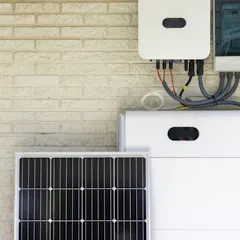
From May 1, the federal government will change how its home batteries discount works. But households may make rushed, costly purchases as a result.
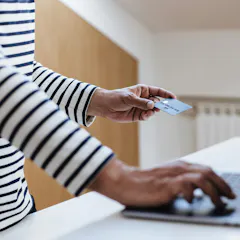
It’s much harder for Australians to cancel a subscription paid for with a credit or debit card than for shoppers in the UK, India and the European Union.

The verdicts in a case against Meta and another against Meta and Google have the potential to change how social media works – and it has little to do with financial penalties.

Yes, these exclusions are in the fine print of most policies. But with thousands now facing bills for cancelled plans – is this fair? And what can you do about it?
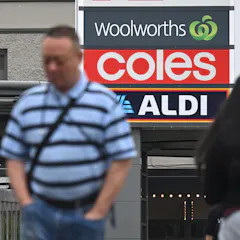
The ban marks a departure from Australia’s traditional approach of preserving competitive processes rather than regulating prices directly.
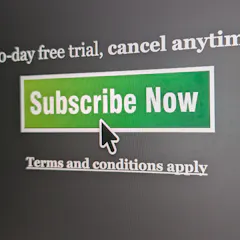
Many subscription services offer easy sign ups, with a few clicks and your credit card. Proposed new laws could soon make sure it’s just as easy to cancel.
An overnight update to Counter-Strike 2 erased billions of dollars in valuable digital assets that players had accumulated. The law gives them almost no recourse.
The need to better protect consumers was raised years ago in the banking royal commission. So why does it feel like we are back here again?

Meta faces heightened scrutiny and fines from Nigerian regulators demanding respect for local data protection and consumer rights.

Children are considered lucrative consumers of food. They need protection against misleading health labels.

When artificial intelligence knows consumers can’t afford to walk away, price increases and quality decreases.
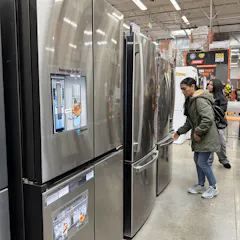
About 40% of total US energy consumption is used by household and industrial appliances, such as heating and cooling systems, refrigerators and lighting.

In Australia, clothing doesn’t have to carry a label with its fibre contents. That means we don’t always know how flammable a garment might be.
Top contributors
-

Professor of Law (consumer protections and credit law), The University of Melbourne
-
Professor of Law and Associate Dean for International Affairs, Wake Forest University
-
Professor in Intellectual Property and Innovation Law, Queensland University of Technology
-
Adjunct Professor of Architecture, University of Technology Sydney
-
Professor and Director, Victoria Energy Policy Centre, Victoria University
-
Director of Energy Studies, University of Florida
-
Clinical Professor, University of Sydney
-
Professor of Clinical Education, St. John's University
-
Associate Professor in Visual Communication, Tshwane University of Technology
-
Professor of Law, St. John's University
-
PhD Student, KU Leuven
-
Professor of Intellectual Property Law, University of Exeter
-
Senior Lecturer in Food Law, Manchester Metropolitan University
-
Associate Professor, RMIT University
-
Professor of Business Law and Ethics, Indiana University