

The Enclosure Acts allowed fencing of common lands that villagers had used for generations. Something similar has happened in the digital space.
Articles on Content moderation
Displaying 1 - 20 of 49 articles

Child sexual abuse material on X is clearly illegal. What’s less clear is how to force X to prevent its AI chatbot from making the material.
With the change of ownership, TikTok’s algorithm – the secret sauce of its success – is going to be reset for US users. What differences users will see is unclear, but changes are coming.

It’s difficult to make thoughtful, measured decisions when you’re pressed for time and your job is constantly at risk.

Meta’s Community Notes program relies on crowdsourcing to counteract the dissemination of misinformation.

The law is the balance point between limiting hate speech and misinformation and keeping censorship in check. Here’s what could happen if Congress kicks it out from under the internet.

Rigorous enforcement of content moderation policies and absolute insistence on direct and meaningful consent are critical in the era of porn as social media.

A key difference between YouTube and other social media platforms is the way that it’s designed to be used.
The platform barred access to more recent data, researchers say.

Meta’s decision could open the floodgates to more climate misinformation on its apps, including misleading or out-of-context claims during disasters.

Content moderation is a thorny issue, often pitting safety against free speech. But does it even work, and which approach is best?
Hate comments are often hidden behind symbols, or additional characters – slipping past keyword-based filters. But a new tool helps moderators see past these techniques to identify toxicity online.
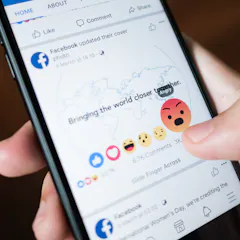
Internal data from the ABC show the harmful content moderators are exposed to weekly, sometimes even daily. But the organisation’s response is one many others can learn from.

Florida and Texas sought to prevent social media companies from deciding which posts can be promoted, demoted or blocked. The Supreme Court said the tech companies can moderate as they please.
New research shows that even after Facebook made changes to stem the tide of dangerous pandemic misinformation, some accounts continued to thrive.

The Supreme Court will hear five cases this term that will examine the nature of online discussion spaces run by social media platforms.

Many TikTok creators, including creators of pornography, use the platform to promote themselves and their explicit content on other platforms.

One person’s content moderation is another’s censorship when it comes to Democrats’ and Republicans’ views on handling misinformation.

In the days of online bulletin board systems, community members decided what was acceptable. Reviving that approach to content moderation offers Big Tech a path to legitimacy as public spaces.

New EU rules require social media platforms to take down flagged posts within 24 hours – and modelling shows that’s fast enough to have a dramatic effect on the spread of harmful content.
Top contributors
-

Lecturer in Media and Communications, The University of Melbourne
-
Associate Professor in Convergent and Online Media, University of Sydney
-
Doctoral researcher investigating governance of social media platforms, Queensland University of Technology
-
Professor Emeritus of Communication and Rhetorical Studies, Syracuse University
-
Professor of AI and Behavioral Data Science, University of Technology Sydney, University of Technology Sydney
-
PhD Candidate at the Oxford Internet Institute, University of Oxford
-
PhD Candidate in Information Systems, The University of Queensland
-
Senior Lecturer, Journalism and Digital Communication, University of Lancashire
-
Senior Lecturer in the School of Sociology, Australian National University
-
Associate Professor of Communications (Social Media), Syracuse University
-
Distinguished Professor of Digital Media, Queensland University of Technology
-
Senior Lecturer in Digital Media at the School of Communication, Queensland University of Technology
-
Adjunct Professor of Law, Pepperdine University
-
Associate Professor, Digital and Social Media, School of Communication, University of Technology Sydney
-
Professor specialising in Internet law, Bond University