
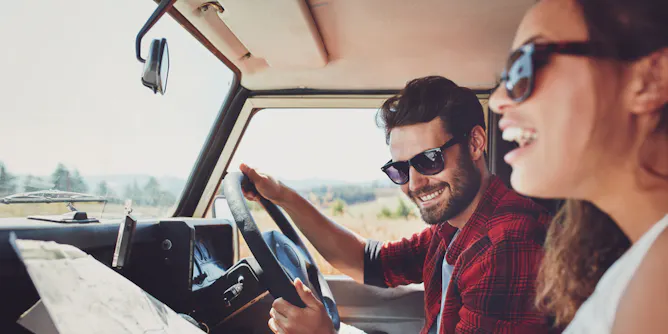
Following these simple steps can help to keep your holiday memorable in the best possible way.
Articles on Driving
Displaying 61 - 80 of 128 articles
Active travel has become attractive to a degree not seen for decades. Policy needs to follow.
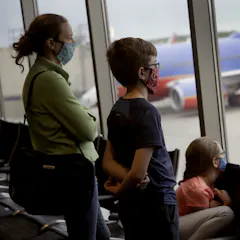
Over the approaching holidays, people around the world will want to travel to see friends and family. Getting tested for the coronavirus can make this safer, but testing alone is not a perfect answer.
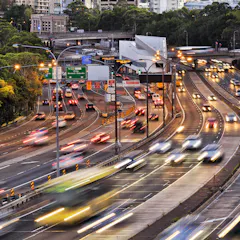
Car use and cycling have soared to above pre-pandemic levels in our biggest cities (Melbourne is an obvious exception). Walking is not far behind, but public transport is being shunned.
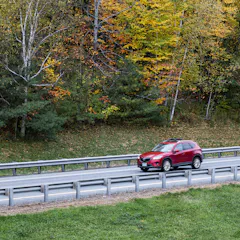
Research shows that millennials don’t drive as much as previous generations, largely because of their beliefs.
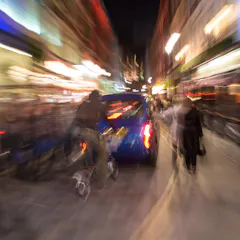
Our research calculates how dangerous different vehicles are to other people.
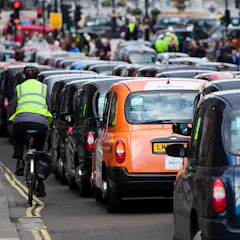
Taxi drivers are exposed to twice the level of pollution compared to other drivers.

When you head out onto the road, there’s always a chance that you might encounter a driver who has a vision problem, putting his or her driving at risk. Regulations need to change.

The typical American’s annual household carbon footprint is over five times the world per capita average.
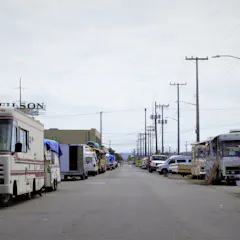
Many cities have no standard method for counting the number of people who live in their cars. This means that their issues are often overlooked in policies designed to help the homeless.
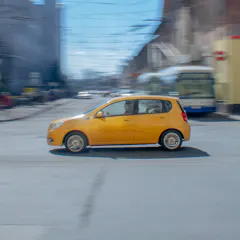
When computers take the wheel, the emotive aspect of driving will change significantly.
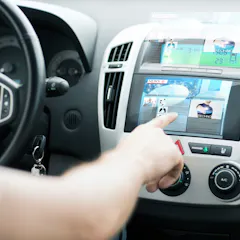
From Alexa and Siri to intelligent speed assistance, there’s a lot of technology competing for our attention while driving,
A guide from an EU law expert for British citizens who will be elsewhere in the EU on a no-deal Brexit day.

Baby boomers have shown the fastest rise in rates of alcohol and drug misuse in the last 15 years.
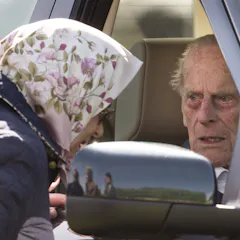
Britain’s Prince Philip recently announced he will stop driving, in the aftermath of a crash he caused after being blinded by sunlight. The crash raises a question: When should people stop driving?
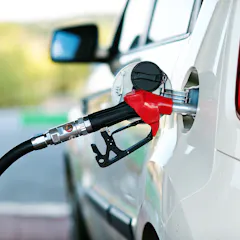
Their analysis finds that the costs exceed the benefits by over $170 billion – but it includes four major errors in the calculations.
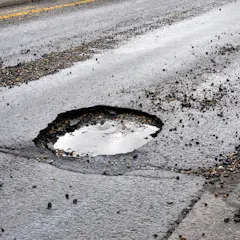
Bumps in the road are dangerous, expensive and difficult to fix.

Our brains work differently the morning after the night before.
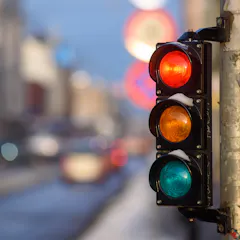
Hundreds of US cities have red light cameras to try to catch traffic violations and prevent accidents. But research shows that the cameras may encourage other types of accidents.
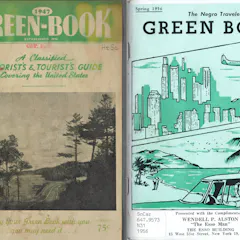
From the 1930s to the 1960s, ‘The Negro Motorist’s Green Book’ and ‘Travelguide: Vacation and Recreation Without Humiliation’ offered African-American roadtrippers lists of black-friendly businesses.
Top contributors
-

Associate Professor and Principal Fellow in Urban Risk and Resilience, The University of Melbourne
-
Professor of Applied Cognitive Psychology, The Open University
-
Associate Professor in Transport, Monash University
-
Senior Research Fellow in Road Safety Research, University of the Sunshine Coast
-
Senior Research Fellow, Monash University Accident Research Centre, Monash University
-
Senior Lecturer in Psychology, CQUniversity Australia
-
Senior Lecturer in Criminology, Keele University
-
Research Fellow, University of the Sunshine Coast
-
Research Professor, University of the Sunshine Coast
-
PhD Candidate, University of the Sunshine Coast
-
Associate Professor in Urban and Regional Planning, University of Sydney
-
Senior Lecturer in Urban Planning, University of Auckland, Waipapa Taumata Rau
-
Professor of Industrial Strategy & Regional Development, Co-Director Centre for Governance, Regions and Industrial Strategy (CGRIS), University of Bath
-
Professor of Business Economics, University of Birmingham
-
Professor and Chair of Department of Psychiatry and Director, Center for Medical Cannabis Research, University of California, San Diego