

Trying to understand how the brain is so good at focusing on one conversation has kept auditory neuroscientists occupied since the 1950s.
Articles on Electroencephalography
Displaying all articles

Dream-like states are not confined to sleep: the brain is able, very surprisingly, to produce the same mental experience independently of our state of vigilance.
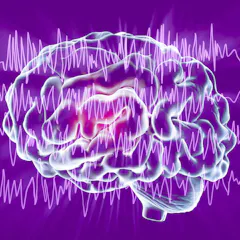
Deciphering how neurons talk to each other by reading the brain’s electrical activity has given scientists insights into memory and conditions like epilepsy and Alzheimer’s.
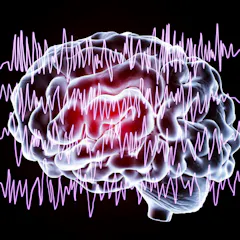
Some scientists theorize that artificial intelligence may be able to deduce thoughts from EEGs.

Fetal brains are changing rapidly over the course of pregnancy, but so are the brains of mothers-to-be. Neuroscience research shows one way worry can start taking hold – and a simple way to help.
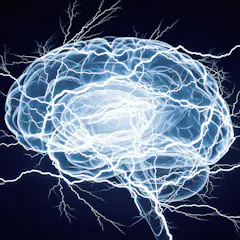
During epileptic seizures, neurons in the brain fire without rhyme or reason. New research identifies a possible way to wrest back control by stopping these signals before they can get started.

Psychology researchers bring infants into the lab to learn more about how shared book reading influences brain and behavioral development.

Most Australians would agree they have a right to privacy, a right not to incriminate themselves, and a right to freedom of thought. Brain fingerprinting threatens all three.
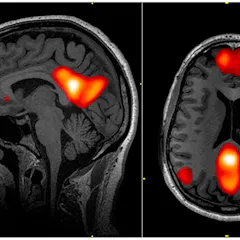
Using mind reading technologies in court could become common practice.

How long will it be before we can open doors and send emails with just our minds?
Top contributors
-

Head of Law School, The Open University
-
Assistant Professor of Psychology, University of Nevada, Las Vegas
-
Professor in Psychology, University of Florida
-
CEO, Sentencing Advisory Council
-
Senior Lecturer in Electronics, University of Lancashire
-
Senior Lecturer in Law, The Open University
-
Professor of Neurology, University of Florida
-
Ph.D. Student in Psychological & Brain Sciences, Texas A&M University
-
Associate Professor of Psychology and Neuroscience, Bowdoin College
-
Associate Professor of Psychological and Brain Sciences, Texas A&M University
-
Chercheure en neurosciences cognitives, Inserm
-
Doctorant, Sorbonne Université
-
PhD Candidate in Computer Science, School of Computer Science and Statistics, Trinity College Dublin
-
Assistant Professor in Intelligent Systems, School of Computer Science and Statistics, Trinity College Dublin