

In an emergency, you can’t always use your private health insurance. And even if you do, you can face these out-of-pocket costs.
Articles on emergency care
Displaying all articles

Ambulance workers are increasingly being verbally abused and physically attacked. Two paramedicine researchers explain how we can better protect them.
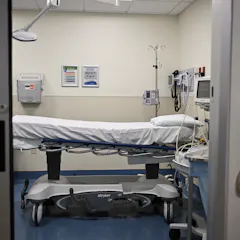
Rural hospitals have high fixed costs, low patient volume and a large portion of patients insured through Medicaid, which typically pays less than private insurers.
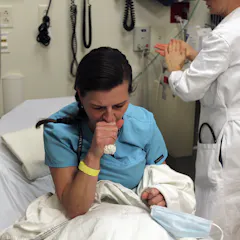
The 2025-26 ‘super’ flu can come with vomiting and diarrhea, alongside the more typical aches and pains of flu.

Health lists support informed decision-making to enhance the delivery of services at various levels.
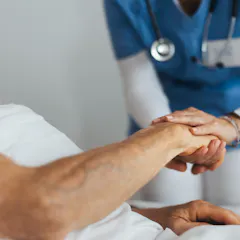
Unhoused people are more likely to die in hospitals or on the streets.

Medicare urgent care clinics were first set up in 2023. But are they meeting their objectives?

Natural curiosity, developing motor skills, and a limited understanding of risk make for a dangerous combination.

The combination of fentanyl and xylazine that dominates Philadelphia’s illegal dope supply creates agonizing withdrawal symptoms. This presents new challenges for doctors and nurses.

Rural emergency departments can be busier than normal during school holidays. Plus they can be short-staffed. So please, save the ED for true emergencies.

Most stings can be safely handled at home. But in rare cases, you can get a serious allergic reaction, which needs urgent medical attention.
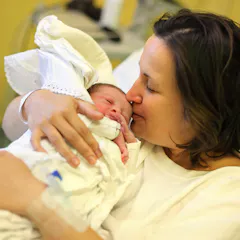
Discontinuing expanded health-care funding will result in less prenatal care for uninsured patients, more health risks, higher costs to the health system, and moral distress for health-care providers.

The problems facing the NHS have been years in the making: a result of poor decision-making, lack of political consensus and chronic underinvestment.

Collaboration and good working relationships are crucial for community-based ambulance services to work.
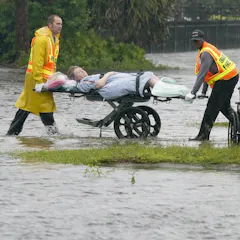
Coastal hospitals are still at high risk, nearly two decades after Hurricane Katrina’s flood disaster at Memorial Medical Center shocked the world.

If your COVID symptoms worsen suddenly, hospital is the best place for you to be monitored, treated and to recover well.

An emergency and critical care physician gives a dispatch from the front lines of the coronavirus pandemic.

A safe home, a working fridge and access to transport are all needed before western medicine has a chance of working in the long term. But a new way of providing care can help.
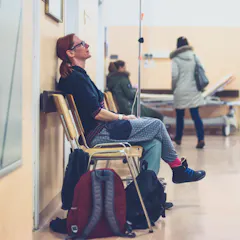
Hospital overcrowding in Ontario is at an all-time high. And the College of Physicians and Surgeons of Ontario just passed a policy that will make it worse.

Only 16 out of 48 African countries and islands have access to hospital services within the WHO’s two-hour time threshold.
Top contributors
-

PhD Fellow, Kenya Medical Research Institute
-
Head, Population Health Unit, KEMRI, Kenya Medical Research Institute
-
Professor of Health Economics, The University of Melbourne
-
David King is a Friend of The Conversation.
Senior Lecturer in General Practice, The University of Queensland
-
Purple House Medical Advisor. Honorary ANU., Australian National University
-
Lecturer, School of Nursing, University of Wollongong
-
Professor in Public Health, Institute for Health Research, University of Notre Dame Australia
-
Associate professor, Department of Family and Community Medicine, University of Toronto; York University, Canada; University of Sydney
-
Associate Professor, Midwifery Education Program, Toronto Metropolitan University
-
Associate Professor, School of Nursing, University of Wollongong
-
Conjoint Associate Professor in Clinical Pharmacology and Toxicology, St Vincent’s Healthcare Clinical Campus, UNSW
-
Associate Professor and Associate Director of the Hazards Vulnerability and Resilience Institute, University of South Carolina
-
Professor of Leadership and Management, Edge Hill University
-
Associate Professor of Emergency Medicine, School of Medicine, University of Washington
-
Associate Professor of Emergency Medicine, University of Colorado Anschutz