

Many aspects of the new voluntary assisted dying laws are familiar. But there are some differences to address the territory’s unique needs.
Articles on End of life
Displaying 1 - 20 of 56 articles
Canada’s assisted-dying law has expanded since 2016. What can England and Wales learn about safeguards, eligibility and social pressure?

‘Fix-it’ medical approaches often go against people’s wishes near the end of life, creating unnecessary and preventable suffering.

Karen Ann Quinlan fell into a coma in 1975. The high-profile legal case over her parents’ wish to remove her ventilator shapes American patients’ rights today.

When your loved one is in palliative care, the last thing you want to think about is money. But new research shows financial stress at this difficult time is front and centre.

Studies show psilocybin therapy can rapidly reduce anxiety and depression in terminally ill patients, but UK regulations make access nearly impossible.

The Northern Territory is unique for so many reasons. That’s why voluntary assisted dying in the NT can’t be imported from elsewhere.

End-of-life planning today includes making sure your loved ones have access to digital photos, email archives and social media accounts.

Some patients with a terminal illness seem to be able to ‘hold on’ until after an anticipated holiday or event. This might be less about staying positive and more about being supported in your goals.

Unhoused people are more likely to die in hospitals or on the streets.

COVID-19 highlighted the need to plan for medical emergencies, but most people still avoid the issue.
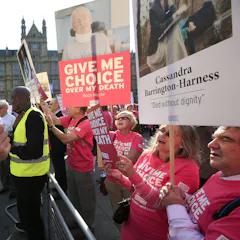
‘Coercion isn’t as bad or as problematic as is made out.’ A philosopher explains why.
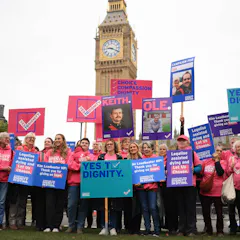
Some argue safeguards might be difficult to apply in practice.

Most people would prefer to die at home than in hospital. If dying at home could be made more feasible and well resourced, both the dying and the living would benefit.

The distress experienced by people near death is not limited to pain caused by illness or disease. Our research sheds light on the economic and political reasons dying is much harder for some.
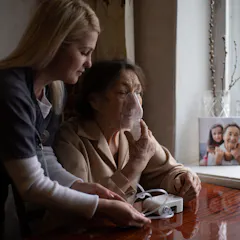
As part of the recent aged care reforms, older Australians will be eligible for $25,000 worth of palliative support when they have three months or less left to live.

The ACT is allowing nurse practitioners to assess people’s eligibility for voluntary assisted dying. But the latest law is unique in other ways.

The NT government has invited views on access to voluntary assisted dying. But whether it should include access for those with dementia is not so clear cut.

There is plenty in the bill to cause concern, says expert in medical law and ethics.
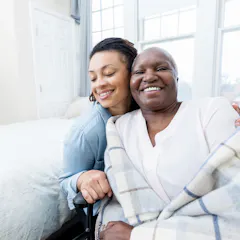
Including the family in a patient’s treatment plan can help shorten hospital stays and assist in recovery. But caregivers often pay a price.
Top contributors
-

Distinguished Professor, Professor of End-of-Life Law and Regulation, Australian Centre for Health Law Research, Queensland University of Technology
-
Professor of Law, Australian Centre for Health Law Research, Queensland University of Technology
-
Senior Lecturer in Law, Australian Centre for Health Law Research, Queensland University of Technology
-
Postdoctoral Research Fellow, Australian Centre for Health Law Research, Queensland University of Technology
-
Associate Professor of Law, Bond University
-
Senior Lecturer in Social Science, University of Glasgow
-
Research Fellow, Australian Centre for Health Law Research, Queensland University of Technology
-
Professor, VCCC Chair of Palliative Medicine, The University of Melbourne
-
Adjunct professor in the School of Clinical Medicine, UNSW
-
Associate professor, Queensland University of Technology
-
Associate Professor, School of Law, University of Canberra
-
Research Fellow, Department of Medicine, The University of Melbourne
-
University of Nottingham Associate, University of Nottingham
-
Professor of Health Economics, Glasgow Caledonian University
-
Lecturer in Mental Health, The Open University