

There was once a bipartisan consensus that media power had to be regulated if democracy were to survive.
Articles on FCC
Displaying 1 - 20 of 30 articles
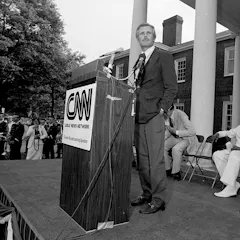
The profusion of video access to anywhere on earth, at any time of day or night, was unimaginable before Turner’s work to make CNN conceivable and then real.
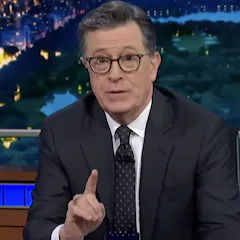
The ‘equal time’ rule has been around for a century and aims to promote broadcasters’ editorial independence and free expression – an idea that is now under threat from the FCC.
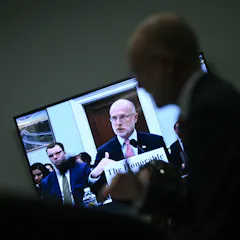
Pressuring broadcasters by leveraging the powers of the Federal Communications Commission occurs no matter which party controls the White House.
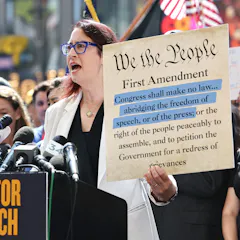
The First Amendment – and the freedom of speech it guarantees – is considered a fundamental element of American freedom and identity. But it wasn’t even part of the original Constitution.

Anthony Comstock’s decades-long censorship campaign ended up turning him into a laughingstock.
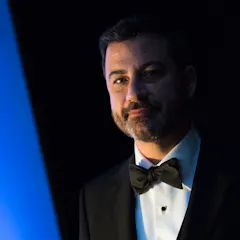
President Nixon tried and failed to cancel ‘The Dick Cavett Show.’ Since then, deregulation and consolidation have made media conglomerates more willing to accommodate those in power.
The proposed Paramount Skydance and Warner Bros. Discovery merger would concentrate oversight of two prominent newsrooms – CNN and CBS – under one owner with strong ties to Donald Trump.
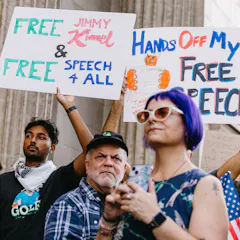
Think you know what the First Amendment means and protects? You − and a lot of Jimmy Kimmel’s defenders − may well be wrong.
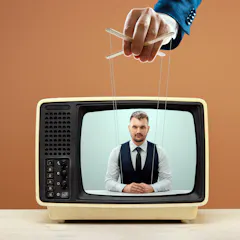
Will costly settlements over news stories the president sued about influence network journalists when deciding whether to pursue investigative stories involving the Trump administration?

Corporate-controlled, political infotainment makes up the bulk of AM radio programming. But there was a time when these stations were more attuned to the needs of the community.
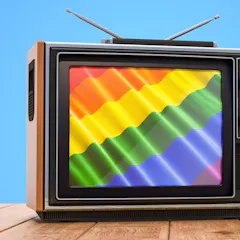
Because public access TV was relatively unregulated, shows could talk about sexual health and air racier segments that would have otherwise been censored on broadcast networks.

As ‘The Jerry Springer Show’ climbed the ratings ladder, the censorship bleep, which masked the slew of insults lobbed by warring guests, became a star of the show.

Ensuring that billions of dollars of federal funding for broadband service are well spent – and that consumers get what they pay for – comes down to knowing the actual speeds internet users experience.

As the wireless telecommunications companies ramp up their 5G rollouts, they are beginning to pull the plug on their 3G networks. 2022 is the end of the line for the venerable cellphone service.

Airplanes use radio waves to determine how far off the ground they are. New 5G cellphone services come close to the same frequencies the airplanes use. Here’s how that can be a problem.

The use and support for telehealth has never been higher in the US. Hospitals and patients are flocking to adopt the technology but regulatory roadblocks remain.
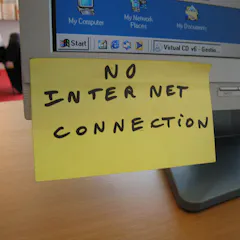
The COVID-19 pandemic is forcing people to study and work online. It’s also sparked a need for news and information. That’s a challenge for the 24 million Americans who lack broadband internet access.

This election season, the public is closely watching how social media platforms like Facebook and Twitter are handling political ads.
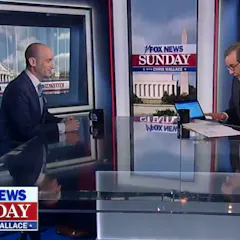
Why do TV news shows book interviews with people who lie or obfuscate? Dogged interviewer Mike Wallace was an example of how to do it right. But on live TV, it’s almost impossible to do what he did.
Top contributors
-

Professor of Communication and Journalism, University of Maine
-
Professor of Media Studies, Penn State
-
Associate Professor of Public Affairs and Administration, Rutgers University - Newark
-
Pioneers Chair in Telecommunications & Professor of Telecommunications, Penn State
-
Professor of Engineering Design, Electrical Engineering and Aerospace Engineering, Penn State
-
Professor of Communication and Media Studies, Fordham University
-
Director of X-Lab and Palmer Chair in Telecommunications, Penn State
-
Associate Professor in Education, University of East Anglia
-
Professor of Information Sciences and Technology, Penn State
-
Professor of Media Studies, Queensland University of Technology
-
Associate Professor of Electrical and Computer Engineering, Tufts University
-
Professor of the Practice of Governance, University of Southern California
-
Professor of Digital Media and Marketing, Carnegie Mellon University
-
Professor of AI, Technology and the Law, Monash University
-
Visiting Assistant Professor of Gender & Sexuality Studies, Kenyon College