
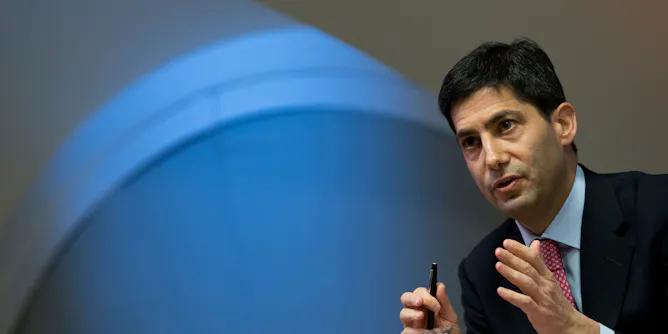
The US Federal Reserve has never before been this transparent about its policymaking process − but that might not be a good thing.
Articles on Federal Open Market Committee (FOMC)
Displaying 1 - 20 of 27 articles
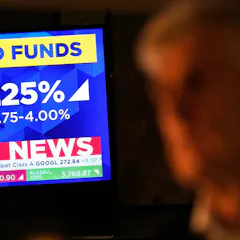
Even in the best of times, the Fed has a tough time interpreting the data and deciding how best to guide the US economy.
A lot of Australians are hoping there might be an interest rate cut at the next Reserve Bank board meeting but they shouldn’t hold their breath.
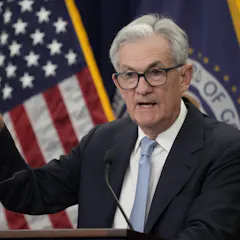
The Fed’s decision to raise rates is likely to put more pressure on regional banks, which will make it harder to avoid a recession.
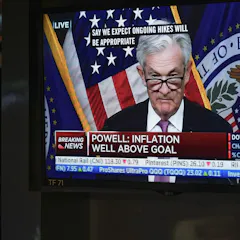
The Fed lifted its benchmark interest rate just 0.25 percentage point following a series of much more aggressive rate hikes in 2022.

The rising cost of living doesn’t hit all Americans equally. Yet the benchmark figure for charting the rising cost of living excludes people in rural areas.
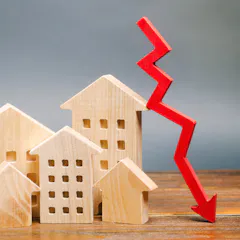
The cost of borrowing for a home has fallen in recent months, despite repeated increases of the benchmark interest rate. An economist explains the seeming paradox.
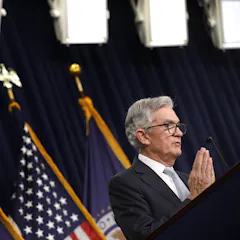
The Fed is also beginning to reduce its massive balance sheet, which is beginning to cause disruptions in the $24 trillion Treasury market.
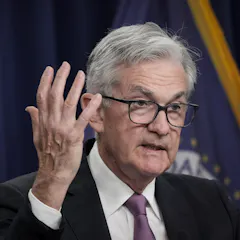
The Federal Reserve hiked interest rates by an additional three-quarters of a percentage point. An economist explains what this means for the economy.
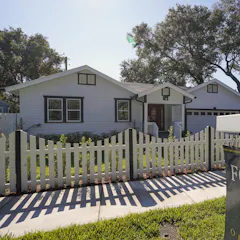
Because housing is sensitive to changes in borrowing costs, it can tell policymakers and consumers a lot about whether the Fed’s plan is working.
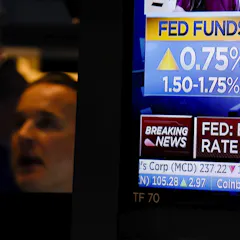
The Fed raised interest rates the most in nearly three decades to fight stubborn inflation. A finance expert explains what’s happening, the risks and what it means for consumers.

A bigger-than-expected jump in inflation means the Fed may have to get more aggressive about interest rate hikes. An obscure economic indicator suggests it has room to do so.
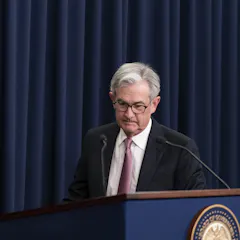
The Fed lifted its benchmark interest rate by half a percentage point as it fights raging inflation.
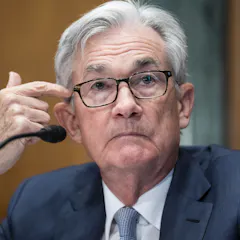
The Fed officially began its biggest inflation fight in four decades.

Higher interest rates reduce demand for goods and services, which makes it harder for companies to raise prices. But there are risks as well.
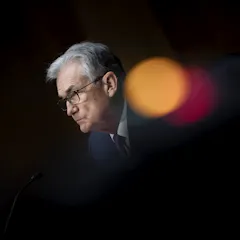
The US central bank said surging inflation is guiding its decision about when to lift interest rates. Two experts on financial markets explain what might happen next.
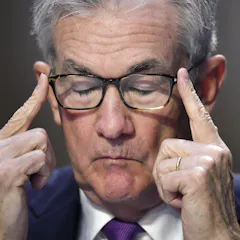
The Federal Reserve decided to slow its pace of bond-buying, potentially the beginning of the end of a program that’s been supporting the economy since March 2020.

Inflation has been low, but if the Fed isn’t careful, keeping rates too low, too long could lead to runaway inflation.
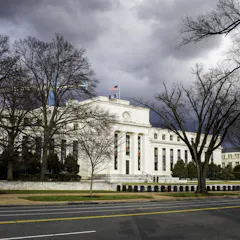
Like Congress with its $2 trillion bailout, the Fed is engaged in an unprecedented effort to save the US economy and financial system from collapse.
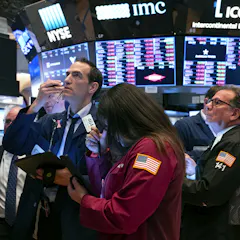
The Fed slashed interest rates to near zero but, just as in 2008, it will require unprecedented action to calm panicky markets.
Top contributors
-

Professor of Finance and Business Economics, University of Southern California
-
Associate Professor of Finance, Mississippi State University
-
Professor of Finance and Fred T. Tattersall Excellence in Finance Research Chair, West Virginia University
-
Associate Professor of Economics, Pace University
-
Professor of Finance, North Carolina State University
-
Associate Professor of Finance, University of Nebraska Omaha
-
Professor of Economics, Wesleyan University
-
Senior lecturer, Canberra School of Government, University of Canberra
-
Associate Professor of Business, Boston University
-
Charles W. Eliot University Professor, Harvard Kennedy School
-
Associate Professor of Finance, Texas State University
-
Assistant Professor of Economics, Clark University
-
Research Fellow, Harvard Kennedy School
-
Associate Professor of Economics, West Virginia University
-
Associate Professor of Finance, Indiana University