

Cheesemaking is an ancient practice, and modern methods and chemistry have made it a science.
Articles on Food science
Displaying 21 - 40 of 84 articles
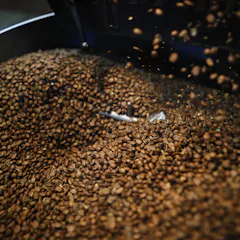
Even unstimulating coffee has stimulating chemistry.
Rather than focusing on seed oils specifically, reduce your intake of processed foods more broadly and focus on eating fresh foods.
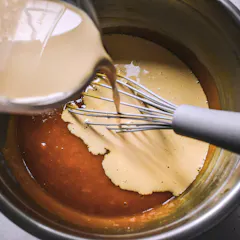
In a pinch, the water from a can of beans can replace eggs. But how does that work, exactly?
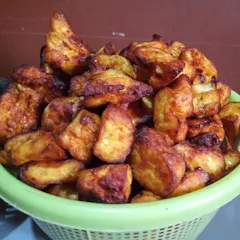
Nigeria’s soft cheese, wara, could be made more widely available with new techniques to extend its shelf life.
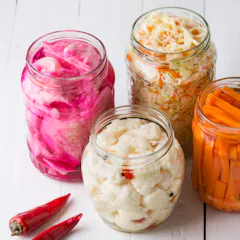
Probiotics are great for your gut, but which sources contain the most beneficial bacteria? Newly developed sensors are helping scientists figure it out.
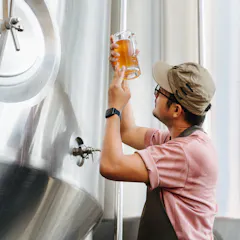
Nonalcoholic beer may sound like an oxymoron, but newer techniques are producing tasty, high-quality options in this growing beverage category.
Some coffee lovers can’t do without their hit of caffeine. But if you prefer decaf, here’s the intriguing science of how it’s made, why it costs more – and how much caffeine makes it to your cup.
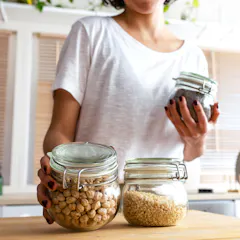
Pantry food can go bad if exposed to oxygen, but an AI model might help develop more effective preservatives and keep food fresher for longer.
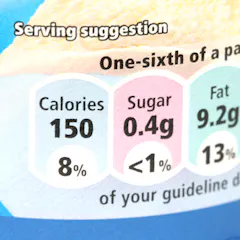
There are two main methods used to calculate the energy content in food and drinks.

It might seem like a simple concept, but to get ice cream right, you need three states of matter and a delicate interplay of chemistry.
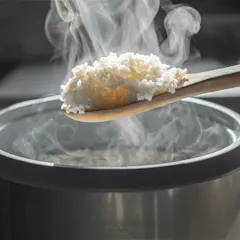
Some people swear by it, while others don’t bother. But what does the evidence say about washing rice, and when should you do it?

Biological and chemical substances are the most common food contaminants and account for over 200 food-borne illnesses.
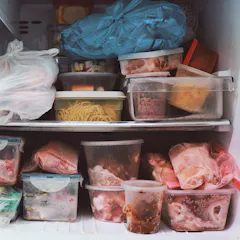
Do your ice taste funny? Is there ‘freezer burn’ on your meat? This is why your freezer probably isn’t as clean as you think – but it only takes a few simple steps to fix it.

Two food scientists, an entomologist, an anthropologist, a veterinarian and a historian walk into a bar (of chocolate) and tell bitter and sweet stories of this favorite treat.

Raw flour at the store still contains live microorganisms. And while cooking can kill the fungi, it doesn’t destroy any illness-causing mycotoxins that might be present.

‘Ultra-processed’ is not just another term for junk food. It has been shown to be bad for the body and the planet – and it can be tricky to identify.

Feeling tired and groggy in the morning may well lead you to crave a coffee boost. But is it a gift or just a loan in terms of energy?
Innovations in food science and technology are well-positioned to address many existing food systems challenges.
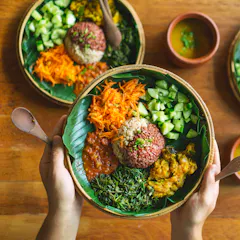
Taking part in Veganuary? Then you’ll want to read this.
Top contributors
-

Senior Lecturer, Nutrition and Food Science, Australian Catholic University
-
Associate Professor in Chemistry and Associate Head Learning and Teaching, University of Tasmania
-
Accredited Practising Dietitian and Lecturer, Southern Cross University
-
Professor in Food Science, University of Southern Queensland
-
Professor of Community Health and Wellbeing, The University of Queensland
-
Associate Clinical Professor of Culinary Arts & Food Science, Drexel University
-
Honorary Associate Professor, University of Leicester
-
Research Associate, Centre for Culinary Innovation, Northern Alberta Institute of Technology
-
Associate Professor of Chemistry, University of Richmond
-
Professor of Chemistry, Clemson University
-
Professor of Food Science and Technology, The Ohio State University
-
Associate Professor of Hospitality Management, Colorado State University
-
Professor of Food Science, Clemson University
-
Associate Professor of Chemistry, University of Richmond
-
Professor of Medicine, Monash University