
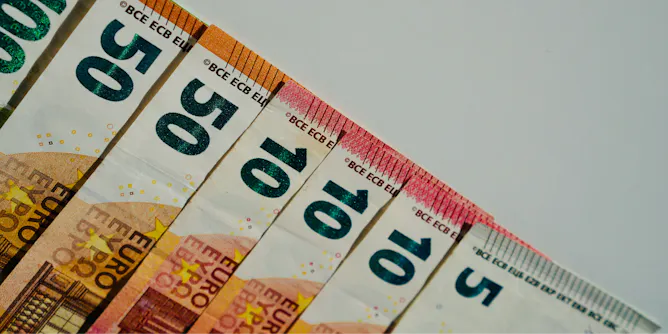
Sovereign creditworthiness is interpreted and reassessed through several overlapping evaluations.
Articles on Gabon
Displaying 1 - 20 of 47 articles
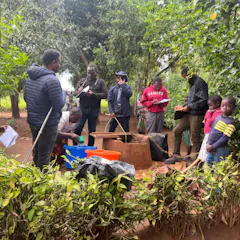
A new continent-wide map is helping identify where Africa’s groundwater can support drinking water and irrigation. Monitoring boreholes tracks aquifer health.
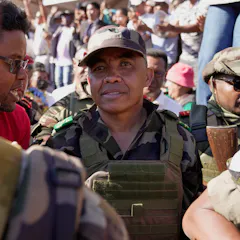
While illegal takeovers of state have declined globally, Africa has now seen at least 10 successful coups since 2020.
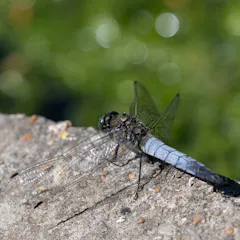
There’s a need for more surveys of macroinvertebrates in African countries.
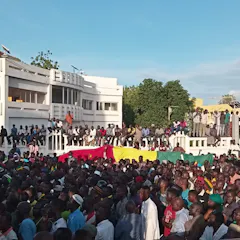
Five years since the Mali coup of 2020, the key lesson is that the international community must move beyond the view of coups as isolated events.

Youth unemployment and corruption have helped drive youth dissatisfaction on the continent, with major implications for governments and democratic strength.

Whoever wins the upcoming presidential election, Gabon’s people will see a new government run by members of the former one.
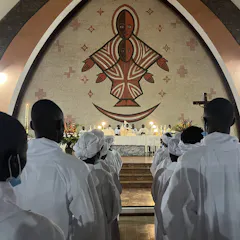
Did Cameroon’s elite spread homosexuality through their connections to secret societies? Instead of disproving the conspiracy theory, the study examines why it came to be.
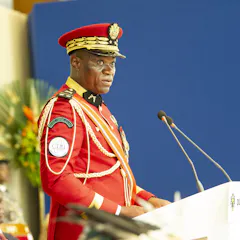
Coup leaders in Gabon are using democratic tools to extend their stay in power.
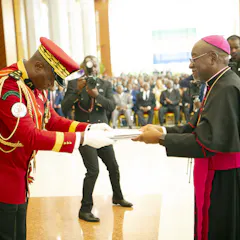
Gabon’s military ruler risks becoming the country’s third autocratic leader if he fails to generate economic growth and return the country to democratic paths.

Overall, differences in teachers’ subject knowledge could explain a third of the differences in student learning between the 14 countries.
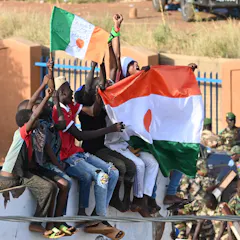
No US president has set foot on sub-Saharan Africa since 2015 – and it hasn’t gone unnoticed.

Ali Bongo’s illness, the contagion effect of other recent successful coups and palace power tussles are factors responsible for Gabon’s recent coup.

Ali Bongo is the latest in a string of leaders to be ousted in military coups since 2020.
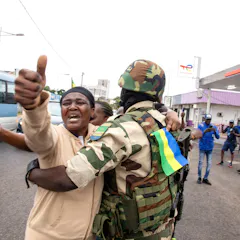
Failed developmental promises, ever shifting domestic elite alliances and popular demand for better living conditions contributed to the military removal of Gabon’s Ali Bongo Ondimba.

Gabon is resource rich, but the Bongo family’s continuous rule has been bad news for the country of 2.3 million people.

Longtemps en retard dans le déploiement de L'enseignement à distance, les pays d’Afrique subsaharienne ont dû maintenir les cours tout en respectant les mesures barrières .

Changing habitat ranges, competition for food and water, and biological effects of climate change all pose threats to wildlife.

This was the first national DNA-based assessment of any free-ranging large mammal in Africa.
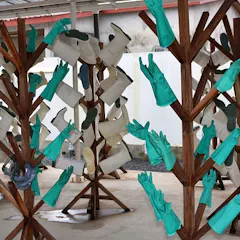
Many African countries are experienced in managing outbreaks of viral haemorrhagic fevers and many of the lessons learnt from the Ebola can be applied to the Marburg outbreak.
Top contributors
-

Professor of Political Science , American Graduate School in Paris (AGS)
-
Post Doctoral Research Fellow, University of Stirling
-
Visiting Assistant Professor of Political Science, University of Kentucky
-
Professor, University of Stirling
-
Associate professor of political science, St. Petersburg College
-
Nonresident Research Fellow, Rice University
-
Adjunct Professor of Tropical Ecology, Duke University
-
Scientist, Royal Botanic Garden Edinburgh
-
Post Doctoral Researcher, Graduate School of Business (GSB), University of Cape Town
-
Director of the Leaders of Africa Institute and Research Affiliate with Davidson College, Davidson College
-
Wildlife Conservation Society, African Elephant Specialist Group (IUCN) and Honorary Professor, University of Stirling
-
Adjunct Professor, Njala University
-
Professor and Chair of Allied Health Studies, Stephen F. Austin State University
-
Professor, ESCP Business School
-
Researcher, Sciences Po