
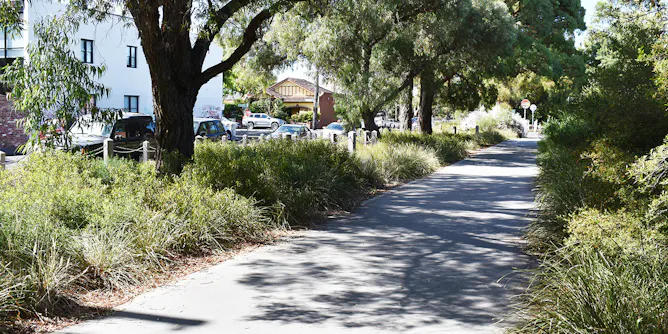
It’s well-established that green spaces are good for our well-being. Now we can demonstrate that greater biodiversity boosts this benefit, as well as helping to sustain native plants and animals.
Articles on Green space
Displaying 41 - 60 of 89 articles

Residents of the ‘leafy suburbs’ will continue to fear what they might lose to increasing urban density without an explicit planning approach that enhances green space in affected neighbourhoods.
When so much of the green space in our cities is in the form of nature strips, current restrictions on plantings are denying us the many social and environmental benefits of more diverse greenery.

Some might scoff at the free-ranging ideas sparked by a competition to design future parks for Melbourne. But the legacy of a radical idea to green a CBD street in 1985 shows why we need such thinking.
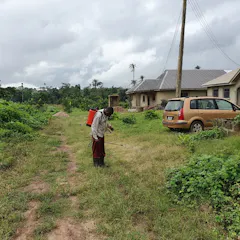
City officials have not considered how approaches like mixed-use developments closer to the city centre might alleviate the housing shortage as well as protect Akure’s green spaces.
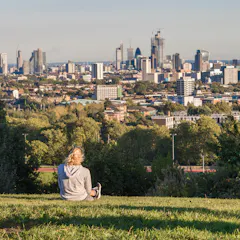
The UK’s surviving urban commons are precious green spaces, but the laws that protect them are confusing, complicated and in some cases outdated.
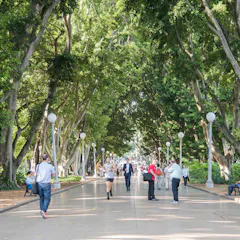
Cities around Australia have plans to increase their green space, but new research shows not all green spaces are equal. Good tree cover is better than grassed areas for residents’ mental health.
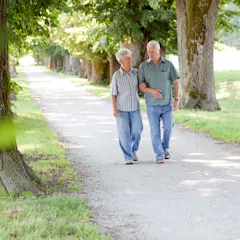
Some previous research suggests people living in rural areas may be at a higher risk of developing Alzheimer’s disease. But these results tell a different story.
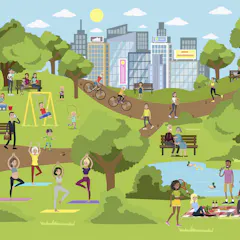
Some parks reduce violence in the local vicinity. Other parks attract crime. The difference has to do with how these urban green spaces are designed, programmed and managed, experts say.
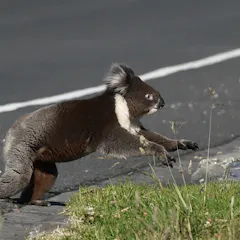
Koalas can cope with the stresses of city life provided we plan urban developments in ways that help meet their basic needs.

Approximately 50% of the UK’s poorest people live over 15 miles from a national park and most people require transport to get to them.
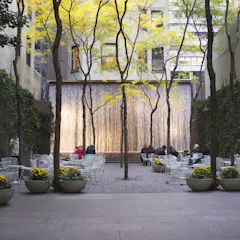
Research shows that access to urban green space makes people and neighborhoods healthier. But parks can’t work their magic if their design ignores the needs of nearby communities.
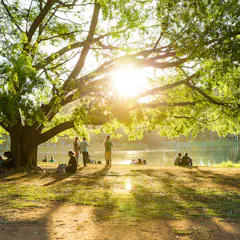
Green spaces can help to address loneliness. But they are highly vulnerable to austerity.

Parks should service a variety of needs, not just cater to one group of people.
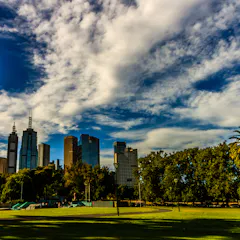
Australian cities are experiencing the third big wave of growth in their history. The response in the past was planning and investment in green infrastructure, and it’s time to do the same again.

For a public space to be seen as safe, welcoming and accessible, a diverse range of people need to actively use it. That’s why any space-changing project needs to engage broadly with the community.
As ‘Heart Month’ kicks off across North America, a cardiovascular researcher explains how the neighbourhood you live in can affect your risks of heart disease.
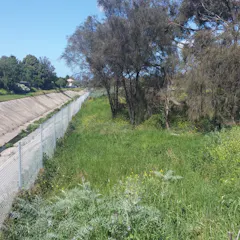
Residents often have concerns about informal green space but some still use it. Work to enhance these areas should aim to resolve these concerns without destroying what residents do value.
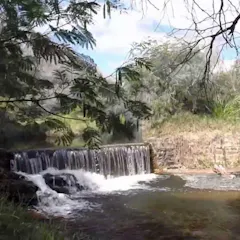
Faecal transplants and virtual nature are technological solutions to ‘nature deficit disorder’ from urban living. Such ‘quick fixes’ offer some benefits, but are no substitute for the real thing.
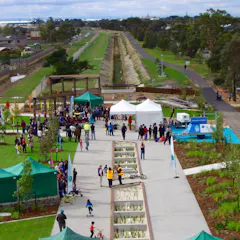
Tree plantings are making a visible difference to Melbourne’s west. It’s the result of a collaborative model of greening, one that Australian cities need to apply more widely.
Top contributors
-

Professor of Urban Health and Environment, UNSW
-
Professor in Environmental & Landscape Planning, University of Manchester
-
Professor of Cities and Planetary Health, ARC Future Fellow in nature-based solutions for loneliness, University of Sydney
-
Associate Professor in Urban Ecology and Urban Horticulture, The University of Melbourne
-
Lecturer, Australian Urban Design Research Centre, The University of Western Australia
-
Lecturer in Landscape Architecture, The University of Melbourne
-
Professor, School of Life and Environmental Sciences, University of Sydney
-
Professor of Planning and Associate Director, City Futures Research Centre, UNSW
-
Senior Research Fellow, Sheffield Hallam University
-
Professor in Urban Horticulture, The University of Melbourne
-
Research Fellow, School of Medicine, The University of Queensland
-
Senior Lecturer in Environmental Management, University of Tasmania
-
Research Fellow, Centre for Urban Research, RMIT University
-
Research assistant, Western Sydney University, UNSW
-
Assistant Researcher, School of Ecosystem and Forest Sciences, The University of Melbourne