

In some communities, cultural norms can make it hard for women to ask about sex, contraception, periods, pregnancy or birth in mainstream health-care settings.
Articles on Health messages
Displaying all articles

TV shows can be misleading when it comes to educating viewers on hands-only CPR, along with who experiences cardiac arrest and where.

During the pandemic, clear and reliable health communication can literally be a life-and-death issue. Researchers who focus on the science of science communication highlight strategies that work.

Almost half of Australian adults struggle with reading. Our recent analysis of government information on COVID-19 found many documents were inaccessible to struggling readers.
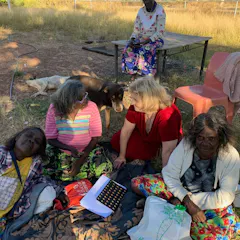
Researchers report on how COVID-19 is affecting isolated Indigenous communities. Their voices bridge the urban divide, reveal challenges and describe some unexpected bonuses.

Given that some people look to religious authorities not health officials in times of crisis, faith leaders can promote hand-washing and social distancing to slow the spread of coronavirus.

When a government’s health messaging during a crisis is inconsistent or unrealistic, it engenders the kind of confusion, misinformation and non-cooperation seen in the US and UK.

Are we all in this together? Or looking after numero uno? Messages about isolation need to appeal to Australia’s individualistic culture - and they don’t have to come from the top.

Would you rather lounge in front of your TV than sweat in the gym? Your distant ancestors may well be (a little) responsible for your lack of motivation.

A new study has found the alcohol industry deliberately misrepresenting the cancer risk of alcohol, while passing it off as health messaging.
Top contributors
-

Adjunct Professor, School of Psychology, Curtin University and College of Health and Medicine, Australian National University
-
Professor, Executive Dean, School of Education, Edith Cowan University
-
Adjunct Lecturer, Archaeology, Flinders University
-
Professor, College of Humanities Arts and Social Social Sciences, Flinders University
-
Senior Lecturer, University of Tasmania
-
Associate professor, École normale supérieure de Rennes
-
Founding Director, World Faiths Development Dialogue; Senior Fellow, Berkley Center for Religion, Peace, and World Affairs, Georgetown University
-
Assistant researcher, Flinders University
-
Professor, Faculty of Health Sciences, L’Université d’Ottawa/University of Ottawa
-
Professor and Chair of Life Sciences Communication, University of Wisconsin-Madison
-
Senior research fellow, Edith Cowan University
-
Professor of Nursing, Charles Sturt University
-
Assistant Professor of Behavioral and Community Health Sciences, University of Pittsburgh
-
Professeur des Universités, Université Grenoble Alpes (UGA)
-
Research Fellow, Charles Darwin University