
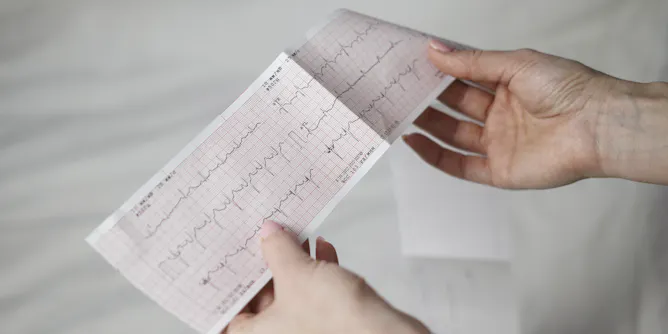
A healthy heart can still hide a fatal electrical fault. Genetic testing is helping families uncover the hidden risk behind sudden adult death syndrome.
Articles on Heart
Displaying 1 - 20 of 74 articles
In cardiology, sex and gender-sensitive diagnosis and treatment planning are crucial, but biological differences remain the missing link in AI-powered human virtual twin technology.
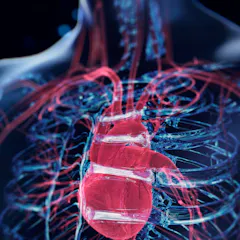
Approaching heart failure like an autoimmune condition could offer new ways to improve patient survival.

Giraffes might be about as tall as a land animal can get.
With the help of AI, doctors might be able to detect heart disease before it becomes audible to the human ear.
A biokineticist offers four tips to help your heart.
Studying why heart cells are less likely to become cancerous can provide clues to improving heart regeneration and treatments for heart disease.

A study linked moderate champagne consumption with lower risk of sudden cardiac arrest. But don’t pop the cork just yet – it’s the big picture that counts.
What do your gums have to do with your heart? More than you might think. Chronic gum disease can lead to inflammation that damages your heart over time.
Patients and families need to know how these extraordinary treatments might change how they feel about themselves and the world.

Modern medicine has demystified much of the heart’s function. But its chequered past is fascinating.
Obesity can put strain on the heart, resulting in an increased risk of conditions such as atrial fibrillation, or irregular heart rhythms.

The idea that hearts carry feelings and memories is nothing new.

A type of irregular heartbeat is common over the festive season. Here’s what you need to know if you’ve had a few drinks.

As cardiovascular disease continues to affect millions worldwide, adapting heart health education to reflect cultural realities is a practical, patient-centred strategy for improving health outcomes.
Heart-healthy diets are vital in cardiac rehab, but cost, complex guidelines and cultural barriers can make them hard to follow. Community support and personalized, affordable plans can help.

New research reveals that the human heart has evolved distinct structural and functional traits that set it apart from our closest great ape relatives.

Research shows cardiac patients want to understand heart events, adopt heart-healthy diets, manage medications, recognize symptoms, control risk factors and engage in cardiac rehabilitation programs.

‘Cardiac College for Women’ offers tailored cardiac rehabilitation education to bridge the gap in cardiovascular care and empower women to manage their heart health effectively.
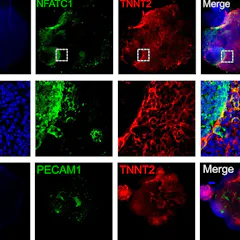
Human heart organoids allow researchers to study the developing heart while avoiding the ethical issues of using human embryos and the imperfections of animal models.
Top contributors
-

Professor of Anatomy, Lancaster University
-
Affiliate Scientist, KITE Research Institute, Adjunct Professor, Department of Physical Therapy, University of Toronto
-
Adjunct Professor, Department of Obstetrics and Gynecology, Faculty of Medicine, Dalhousie University, Mount Saint Vincent University
-
Member, IMPART (Inflammation & Metabolism, Physical Ability, & Research Translation) Network, Dalhousie University
-
Professor, Faculty of Kinesiology & Health Studies, University of Regina
-
Senior Lecturer in Chemical Pathology, University of Westminster
-
Postdoctoral Researcher in Kinesiology, Penn State
-
Geographer-climatologist and Postdoctoral Fellow, Penn State
-
Associate Professor of Health and Sport Science, University of Dayton
-
Adjunct professor, Department of Family Medicine & Department of Psychology and Neuroscience, Dalhousie University
-
Professor of Physiology, Kinesiology and Human Performance, Penn State
-
Ph.D. Candidate in Exercise Physiology, Penn State
-
Full Professor and Associate Vice-President, Research, Mount Saint Vincent University
-
Research Fellow, Adelaide University
-
Associate Professor of Human Health and Nutritional Sciences, University of Guelph