

There’s a separate justice system for people under 18 because their brains are still developing. Treating them as adults can turn them into repeat offenders.
Articles on Juvenile justice
Displaying 1 - 20 of 31 articles

Allegheny County is pouring millions into a new juvenile detention facility, even as evidence mounts that alternatives to detention are more helpful.

The fines of $250 for a first offense and $500 for a second hit low-income families the hardest.

Juvenile incarceration creates worse outcomes for young people and costs more than community-based treatment. So why does Philadelphia spend so much on it?

The imposition of fines and fees on people unable to pay has had a disproportionate impact on Black and Latino communities.
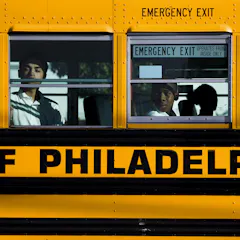
Drexel researchers evaluated a 2014 program implemented by Kevin Bethel when he was deputy police commissioner that led to fewer arrests of students in schools.

Ghana needs a more effective approach to juvenile justice reform that considers the long-term impact of detention on youth offenders.
New Zealand is making some progress in its treatment of children and young people. But there is still a way to go to meet its obligations under international law.

A youth group gives juvenile offenders a chance to advocate for change in the justice system.
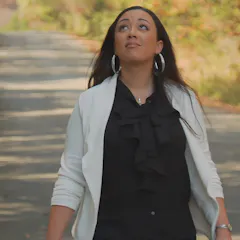
Dan Birman, director of the new Netflix feature documentary ‘Murder to Mercy: The Cyntoia Brown Story,’ discusses his filmmaking process and the importance of the case.

In a survey, 56% of Americans aged 14 to 24 said they knew little to nothing about the juvenile justice system.

Australia should look to the New Zealand model, which has a strong focus on community, and recognises that the majority of young people grow-out of participating in crime.

Open justice is in contest with other rights as the Northern Territory considers a bill to ban the media from juvenile court cases.

A neuroscientist explains how detention can affect a developing mind, as a new law in California sets the highest age limit in the US for minors to be held criminally responsible, at age 12.

The reconviction rates of children put in institutions was lower than it is today, new research shows.
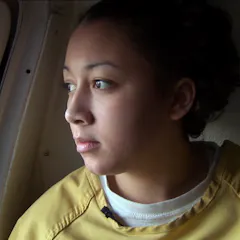
Cyntoia Brown was just 16 years old when she shot and killed a man in 2004. Under Tennessee law, she won’t be eligible for parole until she is 67 years old. Is such a harsh sentence constitutional?
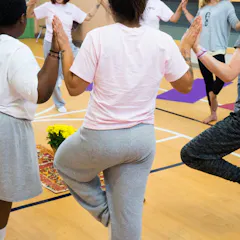
Yoga programs specifically designed to heal girls’ trauma are showing results in facilities across the country. Here’s how.

Knowing why people with troubled childhoods may be more likely to engage in criminal activity is necessary to inform the development of effective prevention and early intervention initiatives.

Australian jurisdictions should enact permanent solutions to juvenile justice crises that replace large and ineffective youth prisons with a safer, more decent alternative.
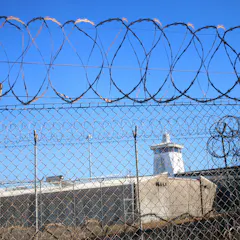
Few people are talking about how children in residential care and those in juvenile jail are essentially the same people.
Top contributors
-

Professor of Paediatrics and Child Health, University of Sydney
-
Senior Lecturer, Youth Work & Youth Studies, Social Equity Research Centre, RMIT University
-
Professor of Professional Practice, USC Annenberg School for Communication and Journalism
-
Associate Professor, UNSW
-
Professor Emerita of Criminology, UNSW
-
Professor of Social Justice, University of Liverpool
-
Director, Kath McFarlane Consulting & Adjunct Associate Professor, The Kirby Institute, UNSW
-
Co-Director, Columbia University Justice Lab, Senior Research Scientist, Columbia School of Social Work, Columbia University
-
Head, Justice Health Group, Curtin University
-
Pro Vice-Chancellor, Learning and Teaching and Professor of Social Work, Western Sydney University
-
Associate Director – Research, Advocacy and Policy, Centre for Innovative Justice, RMIT University
-
Director, Centre for Innovative Justice, RMIT University
-
Assistant Professor in Criminal Law/International Criminal Law, Bond University
-
Assistant Professor, Criminology, Bond University
-
Professor of Criminology, University of Technology Sydney