
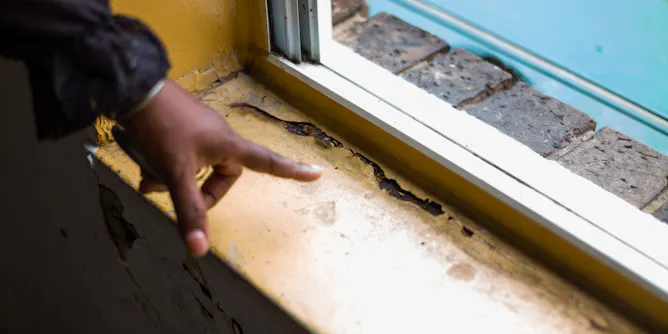
Public interest technology ensures that public policies are implemented in ways that change people’s lives.
Articles on Lead poisoning
Displaying 1 - 20 of 50 articles
Exposure to lead remains one of the leading environmental risk factors for early death and poor health globally.
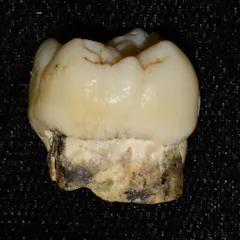
Long before industry, our ancestors faced toxic metals, including lead. This exposure may have shaped the evolution of human intelligence.
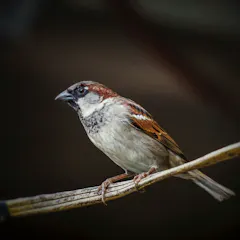
New research on house sparrows in three Australian towns revealed subtle but disturbing effects of pollution. If city living is harming birds, what about people?

A quick scan with a smartphone or an online search can identify foods with lower levels of these toxic substances.
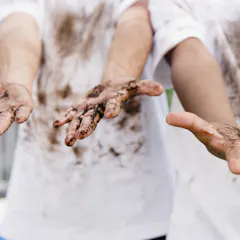
The new level won’t trigger automatic cleanups, but it sets a lower threshold for taking precautions to reduce lead exposure.

Researchers found blood-lead levels in sparrows were a predictable indicator of blood-lead levels in children – showing how humans and nature are inextricably linked.

Although the US banned lead-based paint in 1978, homes built before then commonly contain lead paint.

For a project on identifying lead water pipes in homes, outreach through partner groups produced a more representative set of volunteers.

Hundreds of wildlife rehabilitation centers across the US and Canada treat sick and injured animals and birds. Digitizing their records is yielding valuable data on human-wildlife encounters.
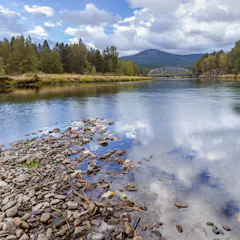
A fire and decades of silver and lead mining created the largest contiguous Superfund site in the nation in what today is one of the fastest-growing states. It includes popular Lake Coeur d’Alene.

Belfast needs to rid its infrastructure of lead water pipes and raise public awareness of the serious health issues caused by excess levels of lead in the water.

Listen to The Conversation Weekly podcast.

It will cost tens of billions of dollars to find and remove all the lead service lines that deliver water to US homes and schools. A public health expert explains why he sees it as money well spent.

Burning leaded gasoline releases toxic lead into the environment, and for 100 years people around the world have been dealing with the health effects. How did a century of toxic fuel come to be?
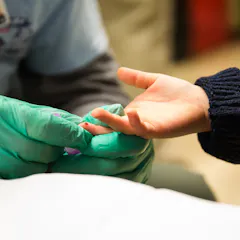
The Centers for Disease Control has announced a new, stricter standard for lead poisoning in children, which will more than double the number of kids considered to have high blood lead levels.

President Biden has proposed spending $45 billion to replace every lead water pipe and service line in the nation. A public health expert explains why he sees this as a worthwhile investment.

The EPA has just adopted a rule that limits what kinds of science regulators can use in setting rules. A scholar explains how this shift could impede his work mapping child lead poisoning.
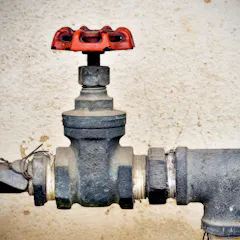
An investigation showed that five Canadian cities had lead levels in their water on par with those in Flint, Mich. during its peak period of water contamination.

Newark is the latest US city to struggle with high lead levels in drinking water. Ending this public health crisis will require more money and enforcement, plus stricter water testing standards.
Top contributors
-

Honorary Professor, School of Natural Sciences, Macquarie University
-
Professor of Earth Sciences and Executive Director, Environmental Resilience Institute, Indiana University
-
Professor of Children's Environmental Health, Simon Fraser University
-
Professor of Avian Behavioural Ecology, Macquarie University
-
Professor of Advanced Technology Transitions, Arizona State University
-
PhD Candidate, School of Natural Sciences, Macquarie University
-
Professor Emeritus, Department of Integrative Biology, University of Guelph
-
Professor of Public Health and Health Sciences, University of Michigan
-
Associate Professor in American and International Politics, University of Birmingham
-
Assistant Professor of Marketing, Ross School of Business, University of Michigan
-
Robert Wood Johnson Clinical Scholar, Internal Medicine and Pediatrics, University of Michigan
-
Associate Professor in Literary Studies, Monash University
-
Associate Professor of Public Health, William Paterson University
-
SUNY Distinguished Professor of History, Stony Brook University (The State University of New York)
-
Professor, Environmental Science, UNSW