

South Africa runs a single waiting list for all transplant recipients, whether from the private or public sector.
Articles on Liver
Displaying 1 - 20 of 35 articles
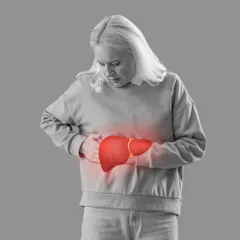
From juice cleanses to charcoal capsules, many detox trends misunderstand how the liver actually works.

Watch or listen to the first episode of Strange Health, a new podcast from The Conversation exploring the weird, surprising and sometimes alarming things our bodies do.

Men are more likely than women to eat offal, new research suggests.

Liver harm caused by alcohol is a public health problem. Collectively, we need to take better care of our livers by taking steps to reduce alcohol consumption in the population.

A recently approved drug for malaria treatment offers hope to millions of children who suffer from the disease in Africa.

Are your everyday habits damaging your liver?
It’s not just alcohol – even sugar, painkillers, and sitting too much can take a toll.
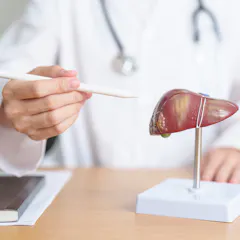
Scientists test new drugs to fight silent liver damage.

Overdosing on vitamins and minerals could cause serious health issues.

Long-anticipated changes to how Australians buy paracetamol are on their way in a bid to reduce harms. Here’s what’s changing.

You’d be surprised by how many body parts are capable of regeneration.
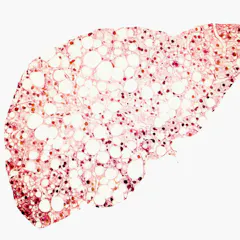
Though a leading cause of liver transplants and an increasing number of young people being diagnosed with the disease, few people have heard of MASLD.
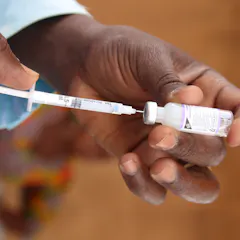
Hepatitis E is a global health problem with about 20 million cases occurring annually, three million symptomatic cases, and 60,000 deaths.

Centenarians tend to have lower levels of glucose, creatinine and uric acid from their sixties onwards.
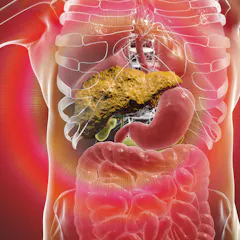
Vinyl chloride dilutes fairly quickly in outside air and water. One concern for lingering exposure from the derailment involves private wells.

Detox diets and cleanses supposedly clear the body of allegedly toxic substances. But the evidence suggests otherwise.
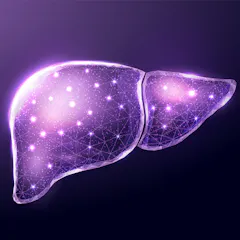
Liver transplant waitlists can range from 30 days to over five years. Developing treatments that spur liver regeneration could help reduce demand for scarce organs.
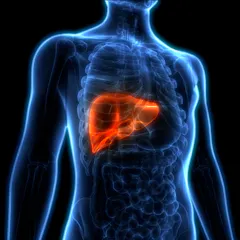
Non-alcoholic fatty liver disease is surprisingly common, affecting about one in four adults. Eating processed foods and sugary drinks can increase the risk of developing the disease.
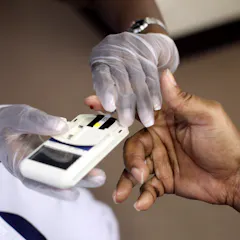
The present healthcare structure in Nigeria contributes to the suffering of people living with diabetes in the country.

The same dose of a drug can have varying degrees of effectiveness and safety depending on how well the liver can metabolize it.
Top contributors
-

Professor in Experimental Hepatology, University of Birmingham
-
Associate Professor in Pharmacy Practice, Kingston University
-
Clinical Trials Director, Department of Endocrinology, RPA Hospital, University of Sydney
-
Manager, Centre for Genome-Enabled Biology & Medicine, University of Aberdeen
-
Head: Cell Biology, Centre for HIV and STIs, National Institute for Communicable Diseases
-
Professor of Public Health, University of Sydney
-
Director, Laboratory for Multiscale Regenerative Technologies, Massachusetts Institute of Technology (MIT)
-
Senior Lecturer in Hepatology and Clinical Director of the Birmingham University Stem Cell Centre, University of Birmingham
-
Professor of Gut Microbiology, UNSW
-
Associate Professor, Cancer Council NSW
-
Distinguished Professor of Pharmacy Practice, University of Connecticut
-
Associate Professor of Medicine, UMass Chan Medical School
-
Honorary Professor, University of the Witwatersrand
-
Bioethicist and Health Communication Specialist, University of the Witwatersrand
-
Senior Lecturer in Pharmacology, Adelaide University