
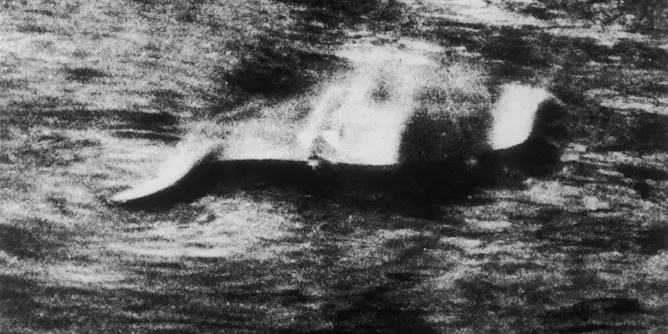
Is the beastie lurking in the watery depths of Loch Ness?
Articles on Loch Ness Monster
Displaying all articles
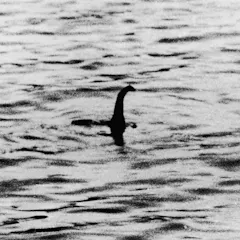
The idea of a creature like the Loch Ness monster fascinates people. But does the scientific evidence say it’s a prehistoric beast or total fake?
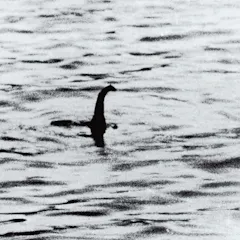
Recent sightings of the Loch Ness monster have led to renewed speculation about its origins
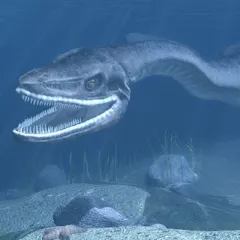
The latest medical scanning technology revealed details of a plesiosaur’s inner ear, showing the extinct marine reptiles swam with their head slightly lowered – unlike the Loch Ness ‘sock puppet’.
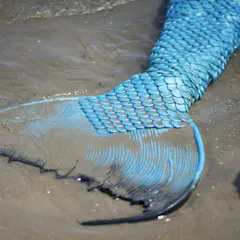
Mermaids are not real, but are meaningful to people around the world.
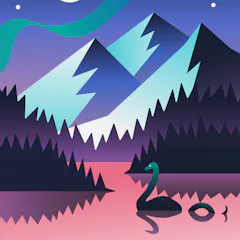
Scientists are left with two conclusions. Either Nessie is an eel, or she never existed at all.
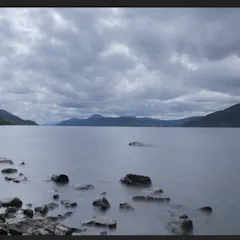
Scientists are using environmental DNA to compile a census of life in Loch Ness and to establish if there is any scientific basis for the centuries-old monster legend.
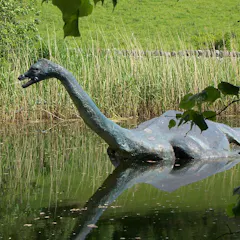
If you’re committed to a belief, it’s hard to let go. Psychology and philosophy provide different ways to think about how skeptics respond to counterevidence.
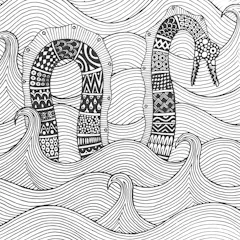
Essays On Air: Monsters in my closet - how a geographer began mining myths
So you think the Loch Ness Monster never existed? Think again. Traditional myths from our ancestors might actually reveal important clues about the geological history of the world.
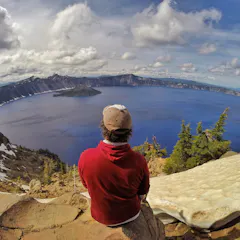
Old stories from around the world tell of drowned islands, volcanic eruptions and upheavals to the land around them. Increasingly we are realising these tales preserve actual memory, often from thousands of years ago.
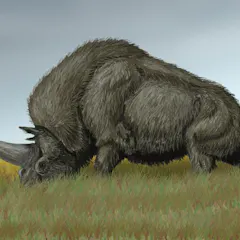
Fantasy often meets reality when we try to find explanations for mythological creatures.
Top contributors
-

Professor of Geography, School of Law and Society, University of the Sunshine Coast
-
Visiting Postdoctoral Researcher in Philosophy, USC Dornsife College of Letters, Arts and Sciences
-
Sesquicentennial Distinguished Professor, University of Otago
-
Emeritus professor of biology, UCL
-
Associate Professor of English, Arizona State University
-
Lecturer in the School of Applied Sciences, Edinburgh Napier University
-
Research Fellow, School of Mathematics and Statistics, University of St Andrews
-
Adjunct Professor in Palaeontology, University of Canterbury
-
Associate Professor in Evolution and Palaeobiology, University of Southampton
-
Distinguished Professor Emeritus of Anthropology, Binghamton University, State University of New York