
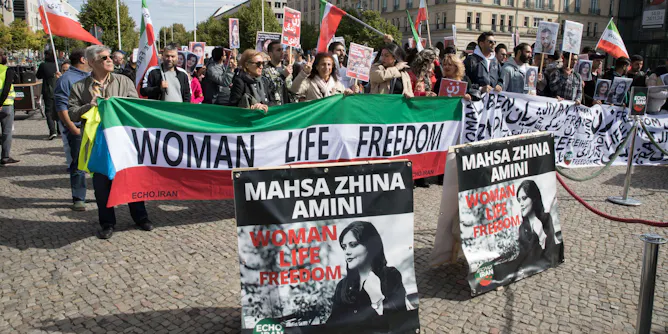
Throughout history, women who protested against the state or were seen as trouble makers were dubbed ‘mentally ill’.
Articles on Mahsa Amini
Displaying 1 - 20 of 30 articles
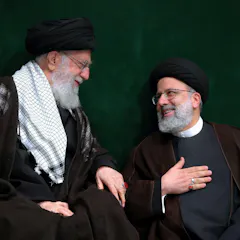
Middle East expert Scott Lucas answers our questions about the politicians vying to become the next president of Iran.
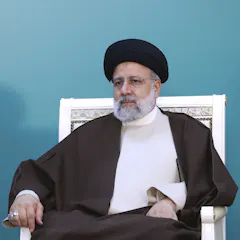
Ayatollah Ali Khamenei announced a five day period of mourning following the discovery of wreckage on hillside.

Candidates have been pre-approved to favour the religious right.

The Nobel prize committee said Narges Mohammadi represented the struggle of many thousands of brave women fighting for their rights.
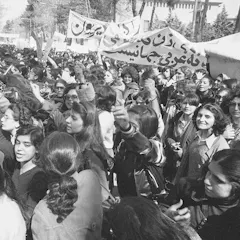
The continuing unrest in Iran — and the brave women who have led the charge for decades — isn’t just about freeing women, it’s about restoring human rights for all Iranians.
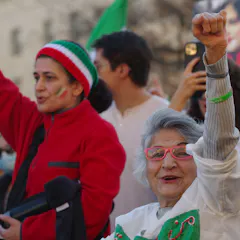
People are gearing up for a potential resurgence of protests, while the state is preparing to suppress any sign of dissent.

Iranian artists are showing renewed determination to promote freedom as a cultural necessity in Iran, even in the face of a government crackdown.

After seven decades of oppression, Iranians yearn for democracy and are willing to risk their lives to win it.
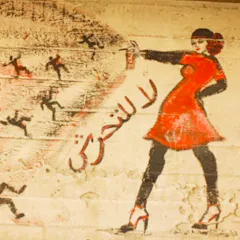
From the Arab Spring to the Belarus Awakening and the ongoing Iranian protest Women, Life, Freedom, female-centered imagery and social media are battlegrounds of resistance and oppression.
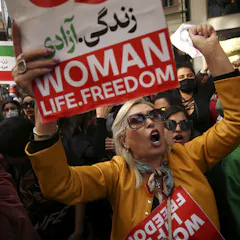
Narratives that pit secular protesters against a religious regime do not necessarily explain the protests in Iran or what they are calling for.
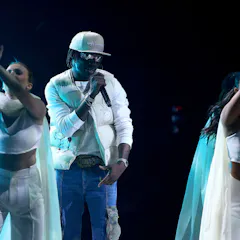
The five Iranian teenagers were arrested and forced to apologise – but the dance challenge continues to go viral.

Following a brutal government crackdown, Iranian protesters are organizing strikes, sit-ins, boycotts and publicizing their demands in the form of manifestos, charters and bills of rights.

Girls’ schools have been at the centre of protests which are shaking the Islamic Republic to its core.

Increasing numbers of Iranians want a government of the people, not a monarchy or an Islamic theocracy.
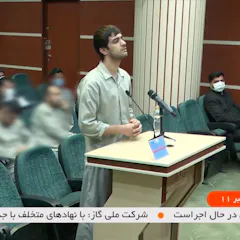
Criminal trials in these courts often occur behind closed doors presided over by clerics, and there’s often no evidence beyond a confession extracted by means of torture.

Iranian women have often used images of actions such as singing and dancing unveiled to show what freedom means to them and to protest the Islamic Republic’s gender oppression.
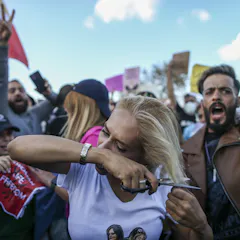
Younger Iranians have tapped into social media to connect with one another, vocalize their demands and highlight the government’s brutality.
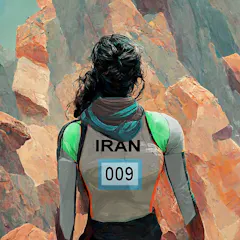
The protesters have been strongly supported by Iran’s actors, musicians and athletes who have been among those arrested, imprisoned and tortured.
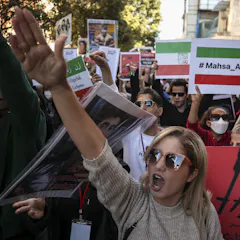
Morality police first appeared in Iran soon after the Islamic Revolution of 1979. But similar forces were present in parts of the Middle East even prior to the date.
Top contributors
-

PhD Candidate in Political Science, University of Oregon
-
Professor of International Politics, Clinton Institute, University College Dublin
-
Associate Professor (Senior Lecturer) in Middle East Politics & International Relations at Keele University, Keele University
-
Associate Professor of International Relations and Women's, Gender, and Sexuality Studies, Stanford University
-
Professor of Anthropology, Emerita, Concordia University
-
Senior Lecturer in Sociology, University of Manchester
-
Science + Technology Editor, The Conversation
-
PhD Candidate, Theory and Criticism, Western University
-
Associate Professor of Art & Design, UMass Lowell
-
Professor of Healthcare innovation, Bond University
-
Senior Lecturer in Security Studies, Te Kunenga ki Pūrehuroa – Massey University
-
FBA Professor of English Literature, King's College London
-
Associate Science Editor & Co-Host of The Conversation Weekly Podcast, The Conversation
-
Professor of Political Science and Gender and Sexuality Studies, USC Dornsife College of Letters, Arts and Sciences
-
Assistant Professor of International Relations, University of Nottingham