

Many health symptoms can be caused by multiple illnesses – if AI can’t tell the difference between them, it won’t be able to operate accurately without human oversight.
Articles on Medical errors
Displaying all articles

Not all examples of flawed medical records relate to individual human error. Here’s what else can go wrong.

News that a woman who received IVF treatment in Brisbane gave birth to another patient’s baby due to an embryo mix-up raises many questions.
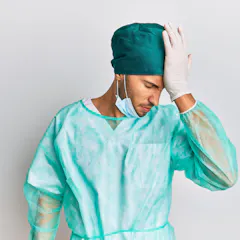
One woman had an ovary removed instead of her appendix. Hundreds of these ‘never events’ occur annually.

Patient safety incidents were already a leading cause of death in Canada. With that crisis converging with the demands of the COVID-19 pandemic, health care is being pushed to a breaking point.

Mistakes at the hands of health care providers are a major cause of death in the US. And many of the blunders are a byproduct of the system.

Despite protective apology legislation across Canada, many doctors and other health-care professionals remain too afraid or ashamed to apologize after medical errors.

Doctor depression, burnout and suicide have been rising for some time, and overwork was considered the norm. A health care lawyer explains why the legal and regulatory systems must intervene.

Litigation may sound like an obvious route for someone who experiences a medical injury. But it’s a lengthy and stressful process, and rarely provides relief to patients and their families.
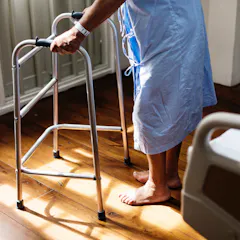
New medical staff start in January and may not be as skilled or adept as their predecessors, meaning more things go wrong.

Research shows that Indigenous women are at greatest risk of injury within Canada. Income, education and housing inequities play a role. So does systemic racism and post-colonial trauma.

There is little if any evidence that the frequency of sentinel events reflects the overall quality of care provided by a hospital.

Complex systems, from TV shows to hospitals, have plenty of checks and procedures, so why do things still go wrong?

A recent study suggesting that medical error is the third leading cause of death in the U.S. made headlines. But the methods researchers used to draw this conclusion are flawed.

In Australia, estimates suggest undesired harmful effects from medication or other intervention such as surgery occur in around 17% of hospital admissions. But blaming the doctors won’t help.

Should Australian health-care workers face criminal penalties if they wilfully or recklessly neglect or mistreat patients? The United Kingdom is currently grappling with this question after systemic failures…

Ethical issues are rife in medicine. Arguments about abortion, organ donation and euthanasia regularly take their turn in the headlines, normally prompted by media scare-stories or an arising controversy…
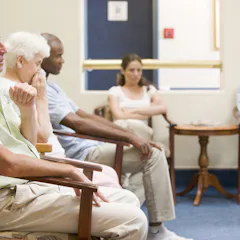
In health care, communication can be a matter of life or death. Take the case of an American woman diagnosed with a blood clot in her leg. She died suddenly of a pulmonary embolism the following day, while…

TRANSPARENCY AND MEDICINE – A series examining issues from ethics to the evidence in evidence-based medicine, the influence of medical journals to the role of Big Pharma in our present and future health…
Top contributors
-

Associate Professor, Political Science, University of Northern British Columbia
-
Chancellor's Professor of Medicine, Liberal Arts, and Philanthropy, Indiana University
-
Professor, Australian Institute of Health Innovation, Macquarie University
-
Senior Lecturer in Health Law and Torts, UNSW
-
Professor, University of British Columbia
-
Professor, Head of School of Public Health & Preventive Medicine, Monash University
-
Professor, Aged Care Medical Research Australian Centre for Evidence Based Aged Care, La Trobe University
-
M. Anne George is a Friend of The Conversation.
Associate Professor Emerita Pediatrics, University of British Columbia
-
Professor of Political Science, University of Nottingham
-
Associate Professor, School of Law, University of Canberra
-
Patient Safety Advocate and PhD Student, Faculty of Health and Social Development, School of Nursing, University of British Columbia
-
Professor of Innovation, Binghamton University, State University of New York
-
Research assistant in Political Science, University of Victoria
-
Citizen-patient and Adjunct Professor, UBC Department of Family Practice, University of British Columbia
-
Professor, Psychology of Healthcare, University of Leeds