
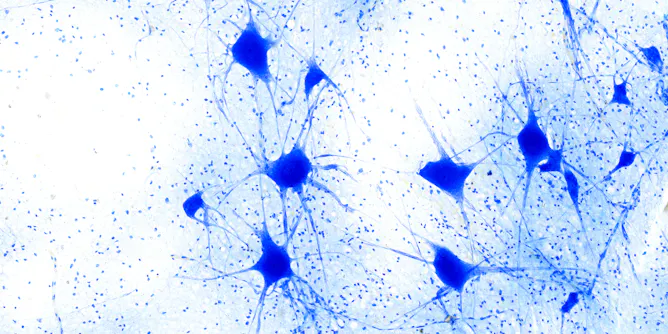
Why are some people hit harder by certain diseases than others? Why do some patients respond better to a treatment, while others see no effect? Biomarkers can help answer these questions.
Articles on Medical tests
Displaying all articles

Labeling medical test results as ‘normal’ or ‘abnormal’ helps clinicians make quick judgments when diagnosing patients. But this binary approach to interpreting tests can lead to fatal errors.

These tests promise to show how much cellular ‘wear and tear’ your body has undergone, and how that corresponds with your age in years. Here’s what the science says.

A narrower, more personalized ‘normal range’ could help doctors better diagnose and treat disease in individual patients.

Digital technology has revolutionised healthcare. But it only works if data connectivity is good enough.
Here’s how we design a fairer pathology system, fit for the 21st century, with no out-of-pocket costs or the public.
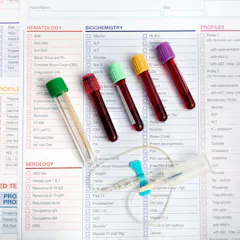
Your blood contains a wealth of information about the state of your health. Analyzing the levels of each component is an important part of diagnosis.
Many diagnostic tests are far from 100% accurate – and even in the era of big data and machine learning, they never will be.

The law requires medical test results be made available to patients even before a clinician has reviewed them.
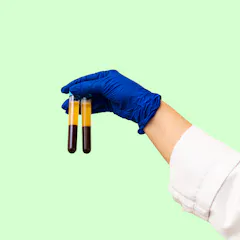
Lab testing provides doctors with essential information to help them diagnose and treat disease. Here’s what happens behind the scenes after you roll up your sleeve for a blood draw.

Almost half of patients have poor understanding of their emergency department visit. Being aware of how the emergency department works can give patients the tools to have a smoother experience.
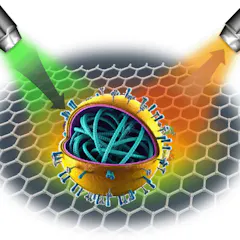
A team of physicists, virologists and computer scientists are seeking to develop a coronavirus diagnostic tool that could deliver rapid results.

In addition to testing and special facilities for COVID-19 patients, the country’s government-run tracking system allows the health care system to identify infected people and their contacts.
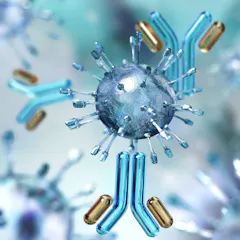
Using antibodies to trap the virus could create near-instant pregnancy test-style kits.

COVID-19 has a long incubation time, and testing can take days to get results. Don’t let continually rising case numbers make you give up on staying at home.

The increased demand for home-based diagnostic tests calls for stricter regulation.
Top contributors
-

Associate Professor, Epidemiology, Deakin University
-
Associate Professor and MPA Graduate Program Director, UMass Boston
-
MD (Internal Medicine Resident) & PhD candidate (Focus on Geriatrics), Dalhousie University
-
Regents' Professor & Chair, Medical Laboratory Science, Texas State University
-
Associate Professor of Medical Laboratory Science, Rush University
-
Assistant Professor of Laboratory Medicine and Pathology, University of Washington
-
Professor of Medicine, University of Colorado Anschutz
-
Professor of Geriatric Medicine, Dalhousie University
-
Associate Professor, Cape Peninsula University of Technology
-
Professor of Statistics, Queensland University of Technology
-
Associate Professor of Statistics, Queensland University of Technology
-
Research Assistant Professor of Epidemiology, University of Michigan
-
Instructor in Biomedical Informatics, Vanderbilt University
-
Honorary Enterprise Professor, School of Population and Global Health, and Department of General Practice and Primary Care, The University of Melbourne
-
Associate Professor, Department of Molecular Medicine, University of Southern Denmark