

Some 80 years ago, Nagasaki residents faced the seemingly impossible task of rebuilding a devastated city. A similar challenge faces those in Gaza today.
Articles on Nagasaki
Displaying 1 - 20 of 27 articles

As numbers of atomic bomb survivors decline, can such deeply personal, traumatic memories truly be passed on to someone who did not live through them?

If the nuclear bomb was born out of fear, then ensuring it is never used again requires replacing fear with trust.

The voices of the Hibakusha offer not only memory, but also moral clarity in an age of growing peril.
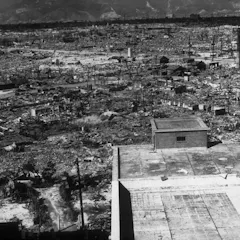
In the wake of the US attacks, the international community asked itself how it could ensure that such horrors were never repeated.
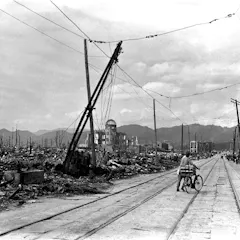
In August 1945, atomic bombs were dropped on the Japanese cities of Hiroshima and Nagasaki. Ever since, survivors have struggled with discrimination as well as illness.

Nihon Hidankyo is not alone in winning the Nobel peace prize for its efforts to achieve a world free of nuclear weapons.
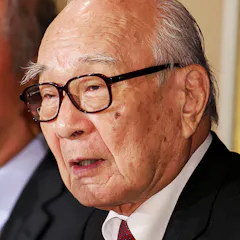
The 2024 Nobel peace prize has been awarded to Japanese anti-nuclear group, Nihon Hidankyo.

Christopher Nolan’s historical drama took home seven Oscars, but the film conspicuously avoids Oppenheimer’s intimate involvement in how his diabolical weapon was used – and where.

The United States and Russia, the two biggest nuclear powers, have no imminent plans for talks on a nuclear deal. That should change, writes a former US diplomat.
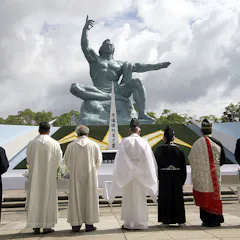
As Japanese victims struggled to process the nuclear attack, many turned to religion. The way they understood the horror still has consequences today.
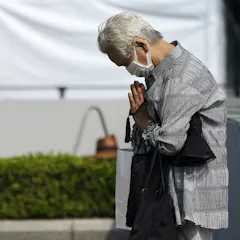
The hibakusha (survivors) of the 1945 bombings have been among the most tireless campaigners for the treaty. The Japanese government, however, has not supported it.
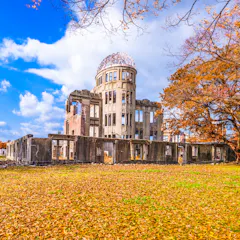
The threat of nuclear war has not diminished, despite the lessons learned from the Hiroshima and Nagasaki bombings in 1945.

As Pope Francis becomes the first pontiff in the nuclear era to call for total disarmament, all of us – whether secular or religious – can engage through creative and proactive moral responsibility.

We might have had a glimpse of new ways of urban living, but history offers a note of caution. Lasting change depends on us applying technology and taking deliberate action to seize this opportunity.
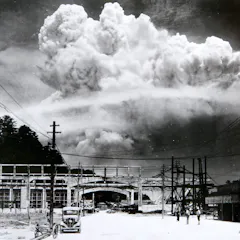
With the risk of a nuclear conflict seeming higher than ever, how much do EU citizens really know about nuclear weapons and their use? A new survey provides striking answers.

According to most physicists, there is no safe dose of radiation. So why would the EPA consider saying otherwise? Who stands to gain if the EPA declares low-dose radiation harmless?
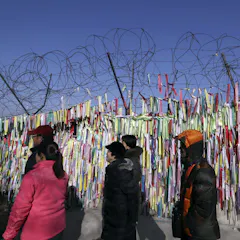
The Trump administration shelved its plans for a ‘bloody nose’ attack while the Olympics in South Korea were under way. With the games over, it’s time to consider the consequences of a strike.

Hiroshima and Nagasaki were but two cataclysms among many: in the literal sense, they were unremarkable.
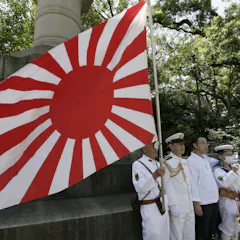
Japan has never apologised for many of the things it did during World War II – and nor does it tell its schoolchildren about them.
Top contributors
-

Affiliated Researcher, The Open University
-
Assistant Professor of History, Mississippi State University
-
Senior Lecturer, Japanese Studies, University of New England
-
Honorary Principal Fellow, School of Population and Global Health, The University of Melbourne
-
Scientist-in-Residence and Adjunct Professor, Middlebury College
-
Professor of Physiology, Columbia University
-
Reader in Modern History, Brunel University of London
-
Distinguished Professor of Ethics and Human Development, Georgetown University
-
Carole Sargent is a Friend of The Conversation.
Literary Historian, Georgetown University
-
Senior Lecturer in the Politics of Japan, University of Kent
-
Lecturer in narrative history, Sciences Po
-
Associate Professor & Associate Investigator ARC Centre of Excellence for Automated Decision Making + Society, Swinburne University of Technology
-
Professor of Housing Economics, UNSW
-
Adjunct Professor of Political Science, Villanova University
-
Lecturer, London School of Economics and Political Science