
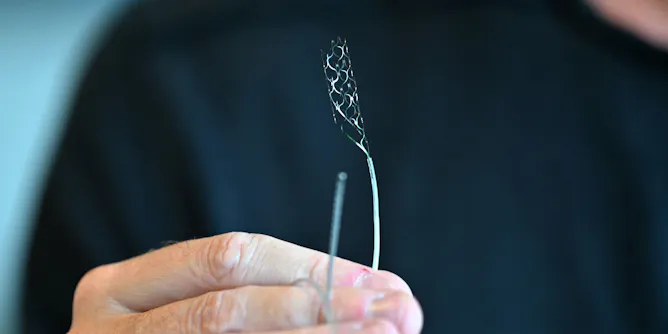
Brain implants can change people’s lives during clinical trials, but what happens next can be just as important.
Articles on Neurotechnology
Displaying 1 - 20 of 21 articles
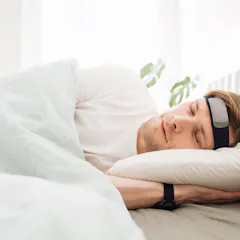
My new study poses nine vital questions for children growing up in the ‘brain-as-interface era’.
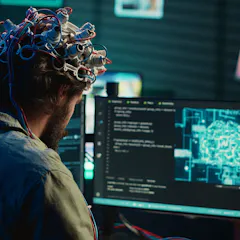
The fast-growing market of non-invasive neurotechnology is collecting people’s neural data without clear guidelines.
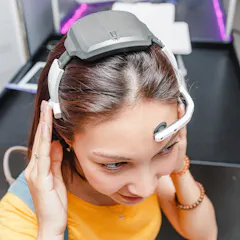
As neural-adaptive electronic wearables become more common, they are quietly reshaping technology, cognition, and society.
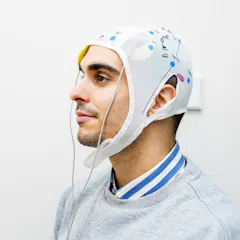
Devices that deliver mild, constant electrical current can alter our brain activity.
UNESCO’s approach to regulating neurotechnology considers future applications and current privacy and consent concerns.
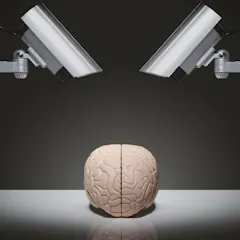
Neurotechnology raises many high-stakes ethical questions. Setting ground rules could help protect workers and ensure that tasks are adapted to the person, rather than the other way around.
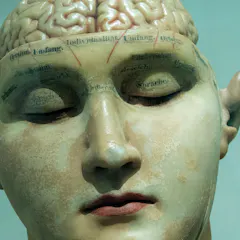
As the federal government prepares to reform Australia’s privacy laws, it needs to better protect brain data.
Deciphering how neurons talk to each other by reading the brain’s electrical activity has given scientists insights into memory and conditions like epilepsy and Alzheimer’s.
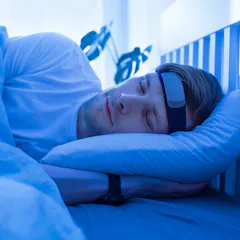
Wearables are on the rise, including a new category: neurotechnology. A headband that can track your brain activity sounds fun, but the data it collects should be stringently protected.
Brain-computer interface devices have the potential to boost users’ autonomy, especially for people who experience paralysis. But that comes with risks, as well.

More invasive devices have prompted new debates about privacy and freedom. But it’s important to keep in mind that other technologies already sense and shape our thoughts, a neuroethicist argues.
An expert explain the various concerns that were holding up FDA approval – from potential harmful side effects, to protecting the privacy of users’ brain-wave data.
Neuralink might get all the press – but these unsung heroes are pioneering brain-computer interface technology.

How do you determine whether one brand is similar enough to another to infringe on its trademark? Researchers propose that comparing brain scans could be an option.

From warfare to entertainment and VR, brain-computer interface development has extended beyond prosthetics for patients with disabilities. Missing is full ethical consideration of the consequences.

From figuring out where memories are stored to how sensory information translates to behavior, new technologies are helping neuroscientists better understand how the brain works.
When designing neuroprosthetic devices for users to control with their thoughts, engineers must take into account the sensory information brains collect from the environment and how it gets processed.

With increasing technological innovations in neuroscience, the field of neuroethics grows in relevance - especially when it comes to informing applications and policy.
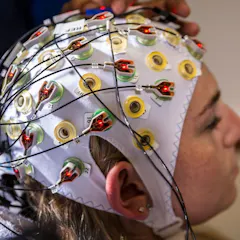
Brain-computer interfacing is a hot topic in the tech world, with Elon Musk’s announcement of his new Neuralink startup. Here, researchers separate what’s science from what’s currently still fiction.
Top contributors
-

Hwang Endowed Professor of Computer Science and Engineering and Director of the Center for Neurotechnology, University of Washington
-
PhD Law Candidate, University of New England
-
Canada Research Chair in the Law and Ethics of Brain Technologies; Professor of Law; Member of the Board of Directors of the Bioethics Council for Canada, L’Université d’Ottawa/University of Ottawa
-
Professor of Bioethics and Humanities, School of Medicine, University of Washington
-
Academic Director, “The Neurotechnology Shift” Research Initiative, Center for the Governance of Change, IE University; Universidad CEU San Pablo
-
Professor, Neurology, University of British Columbia
-
Assistant Professor of Neurological Surgery, School of Medicine, University of Washington
-
Adjunct Senior Lecturer, Applied Ethics and CyberSecurity, Griffith University
-
Assistant Professor of Business Administration, University of Virginia
-
Senior Lecturer in Neural Engineering, The University of Melbourne
-
Associate Professor of Psychology and Neuroscience, Bowdoin College
-
Assistant Professor of Mechanical Engineering, Binghamton University, State University of New York
-
Trustees of ASU Professor, Arizona State University
-
Associate Professor of Neuroethics, Penn State
-
Assistant Professor of Computer Science, Binghamton University, State University of New York