

Partnerships need to grapple with the tension between what to preserve and what to change rather than be paralysed by it.
Articles on Oxfam
Displaying 1 - 20 of 25 articles

A United Nations agency known as UNRWA is the main player in crisis response in Gaza – but Israel will no longer work with UNRWA, and border crossings are not consistent in getting aid through.
Society’s wealthiest are responsible for generating climate change – but who are these people, and why are their emissions so high?

The New Development Bank doesn’t have mechanisms that communities can use to hold it accountable or seek redress.
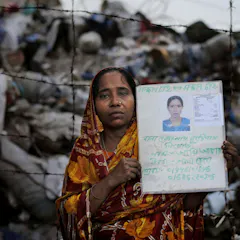
The 2013 Dhaka garment factory collapse is the clothing industry’s worst ever industrial incident. Not enough has changed for garment workers.
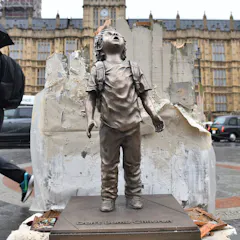
The scandals that engulfed Save the Children UK and Oxfam in 2018 took a combination of tenacious journalism and social media activism to break open.
Save the Children’s reputation appeared to bounce back faster than Oxfam’s after public perception of both groups soured around the same time.
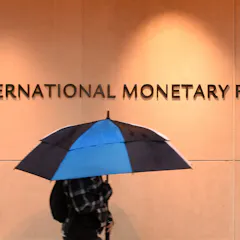
The IMF has increasingly turned its focus to growing inequality worldwide. Ironically, research shows that policy reforms it mandated exacerbated income inequalities.

In the face of climate change, the poorest are suffering from the excess emissions of CO₂ linked to the lifestyle of the richest. It is time to act, in the name of climate and social justice.

Thinking with Karl Marx on his 200th birthday means recognising the importance of thought.
Regulation adds operational costs that are often inefficient to the delivery of services, or even completely unnecessary.
Oxfam is not the first charity to be drawn into a high profile scandal. If it is to survive it needs draw on its core ideals.

The rich have to be taxed more and the poor need to be paid more, according to Oxfam International head of inequality policy Max Lawson.
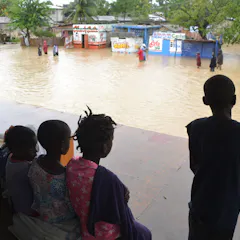
Shocking allegations of abuse by Oxfam aid workers in Haiti are testament to how badly the aid sector needs deep, systemic reform.

Power imbalances and inequality lie at the heart of the international development industry. But the Oxfam scandal shows that organisations mustn’t succumb to it.
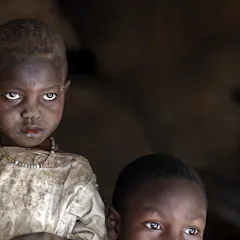
The world has turned its back on the Nuba people of Sudan. Despite the critical need for food, none of the organisations involved in helping people in dire need have attempted to deliver aid to them.
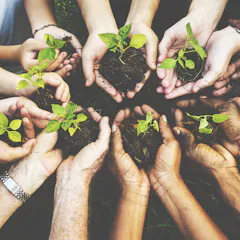
Oxfam’s efforts to find solutions to the world’s inequalities are welcome but its wrongful use of “human economy” and repackaging it as a concept from high up might do more harm than good.
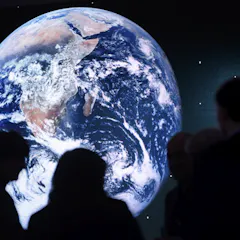
Oxfam is right to highlight disparities in wealth.
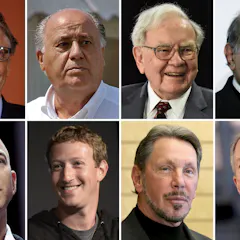
According to the latest Oxfam report, the richest eight people in the world are as wealthy as the bottom 50% of the world’s population. But let’s scrutinise these numbers a bit more.
When sociologists, driven by their value commitments, go beyond the relative comfort of the classroom and engage with organisations outside the university, they dirty their hands.
Top contributors
-

Professor Emeritus, University of Arkansas
-
-
Professor of Law, Conflict and Global Development, University of Reading
-
Professor Emeritus of Applied Philosophy, Glasgow Caledonian University
-
Professor of Interdisciplinary Studies, Emerson College
-
Lecturer in International Politics, Newcastle University
-
Lecturer, Department of Sociology, Maynooth University
-
Senior researcher, SMERU Research Institute
-
Post Doctoral Fellow (Development Economist), Human Economy Programme, University of Pretoria
-
Distinguished Reserach Professor, Southern Centre for Inequality Studies, University of the Witwatersrand
-
Senior Lecturer in Business and Economic History, University of Dundee
-
Lecturer in the History of Human Rights, Lancaster University
-
Assistant professor, London School of Hygiene & Tropical Medicine
-
Lecturer in Enterprise, University of Manchester
-
Professor, Crawford School of Public Policy, Australian National University