
We should not wait for perfect certainty. It’s time to act before catastrophe.
Articles on Pandemic
Displaying 1 - 20 of 1682 articles

Almost £10 billion was wasted on unsuitable PPE during the pandemic due to a lack of preparedness.
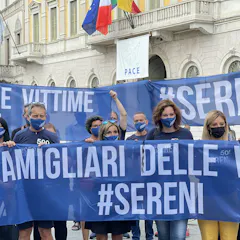
Six years after Italy became Europe’s COVID-19 ground-zero, successful action led by a victims’ association against health governance failings sets an encouraging precedent.

The Black Death killed up to two thirds of Europe’s population, yet medieval records rarely mention it.
Global health funding cracks do not bode well for pandemic governance as recent disease outbreaks are reminding us. What does this mean for developing countries and how do they cope with health emergencies?
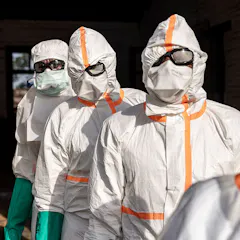
The steps set out in the report on global pandemic preparedness are vitally important for managing future outbreaks.
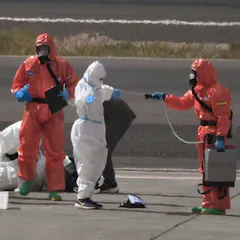
Recent outbreaks of Hantavirus and Ebolavirus raise concerns about risks linked to travel, with responses varying between countries. COVID-19 offers lessons for effective approaches to public health.
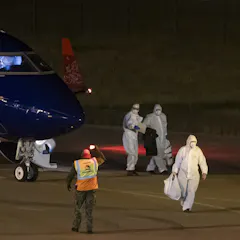
While the hantavirus outbreak will likely be eliminated, it highlights persistent gaps in global pandemic prevention, preparedness and response measures.
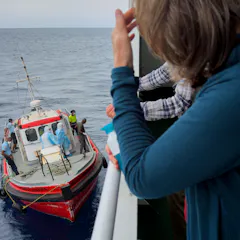
To stop the spread of infectious diseases, governments need information and other resources that countries around the globe share through international organizations.

The hantavirus outbreak that began on a cruise ship is a reminder of something we keep having to relearn: When humans push into ecosystems they don’t normally inhabit, they are exposed to viruses.

From the Black Death to the COVID-19 pandemic, combining the genetic data of a pathogen with historical records, archaeological artifacts and epidemiological studies can uncover its origins.

A virus doesn’t become a pandemic simply because it’s deadly.
Disease outbreaks can make women and girls especially vulnerable to violence, but health surveillance systems do a poor job tracking these trends.

From smoking and drinking to body image and stigma, screen stories can shape how audiences think about health, risk and what counts as normal.
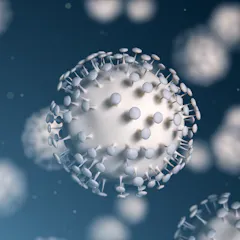
Scientists are learning to spot pandemic threats without touching dangerous pathogens.

In the wake of the WHO’s One Health summit, a new atlas explores the interdependency between environmental, health and food security issues, and strategies for supporting sustainability and the welfare of all life forms.

The prevalence of long COVID is more than a hundred times greater than the definition of a rare disease – yet there are no specific health services or support.
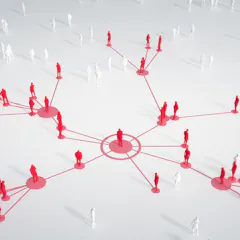
COVID models helped counter the virus but revealed less about the impacts of emergency measures. More sophisticated modelling can help balance those trade-offs.
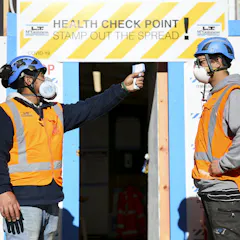
The second COVID inquiry report reinforces that pandemics are not only health emergencies but also social crises, requiring attention to cohesion and equity.

Memorials, campaigns and a national day all exist, yet agreement on what should be remembered remains elusive.
Top contributors
-

Associate Professor, Epidemiology, Deakin University
-
Professor of Medicine, University of Virginia
-
Lecturer in Psychology, Swansea University
-
Professor of Global Biosecurity, NHMRC L3 Research Fellow, Head, Biosecurity Program, Kirby Institute, UNSW
-
Associate professor, Department of Family and Community Medicine, University of Toronto; York University, Canada; University of Sydney
-
Associate Professor of Viral Immunology, Department of Pathobiology, University of Guelph
-
Professor, Biology, York University, Canada
-
Professor of Immunology and Associate Dean, Research and Graduate Studies, University of Guelph
-
Professor of Epidemiology Healthcare Infection and Infectious Diseases Control, UNSW
-
Professor and Chair, Department of Journalism, Stellenbosch University
-
Professor of Biostatistics and Epidemiology, Adelaide University
-
Research associate, Warren Alpert Medical School, Brown University, Brown University
-
Professor of Public Health, University of Otago
-
University Professor of Sociology, Syracuse University
-
Professor and Tier 1 Canada Research Chair in Global Health Governance; Scientific Co-Director, Bridge Research Consortium, Simon Fraser University