

Here’s who’s eligible and what to consider before deciding.
Articles on Prostate cancer screening
Displaying all articles

But for men tested before their mid-60s, risk of overdiagnosis from PSA testing is low.

People with low-risk prostate cancer are more likely to die from something else. Overdiagnosis and overtreatment can lead to life-changing complications.
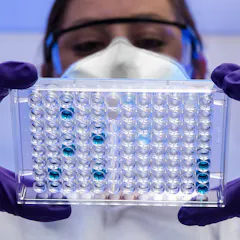
Many diagnostic tests are far from 100% accurate – and even in the era of big data and machine learning, they never will be.

Prostate cancer is one of the most common cancers in men. Although watchful waiting is appropriate for low-risk cases, many are diagnosed at an advanced stage because of racial health disparities.

New research estimates 24% of cancers in men that were detected in 2012 were overdiagnosed, meaning they never would have caused harm if left untreated.

Labelling very low-risk conditions as cancers can cause unnecessary anxiety and lead to overtreatment.

Since the 1980s, PSA tests have been used for the diagnosis and follow-up of prostate cancer. However, its use as a screening test for prostate cancer remains controversial.

A family physician and public health researcher explains why he isn’t getting a prostate cancer test in Movember or at any time in the near future.

Two major studies cast doubt on the value of screening for prostate cancer, yet it continues regardless.

In news which may come as a relief to apprehensive men and short-fingered doctors alike, guidelines are now changing.

Screening may save lives but it comes with a cost - and sometimes unbearable decisions - that shouldn’t be underestimated.

Researchers have been talking about the dangers of overdiagnosis for some time. But now a national survey shows most people aren’t told about the risk it poses to their health – and they want to know.
Top contributors
-
 Brett Montgomery is a Friend of The Conversation.
Senior Lecturer in General Practice, The University of Western Australia
-
Senior Research Manager, University of Sydney and Honorary Assistant Professor, Bond University
-
Professor of Family Medicine, University of Calgary
-
Professor of Surgery, Eastern Health Clinical School, Monash University
-
Emeritus Professor in Public Health, University of Sydney
-
Professor of Women's Health, King's College London
-
NHMRC Emerging Leader Research Fellow, School of Public Health, University of Sydney
-
Professor of Public Health, University of Sydney
-
Associate Professor of Statistics, Queensland University of Technology
-
Professor of Clinical Epidemiology, Sydney School of Public Health, University of Sydney
-
Professor of Statistics, Queensland University of Technology
-
Associate Professor, Biostatistician, Institute for Evidence-Based Healthcare, Bond University
-
Senior Lecturer, School of Medicine, Griffith University
-
Chair of Family Medicine and Public Health Sciences, Wayne State University
-
Professor of Medicine, Bond University