
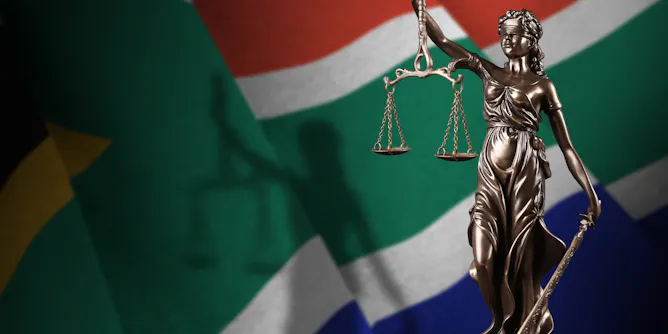
The constitution and the principle of constitutionalism will continue to be politically contested territory. So far it’s held in South Africa.
Articles on Public Protector
Displaying 1 - 20 of 39 articles
Awarding punitive costs against legal practitioners would make them think twice about facilitating delaying tactics and malicious lawsuits.
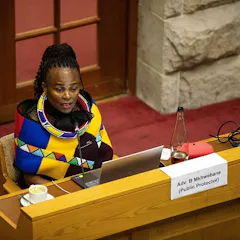
Past controversies and their impacts show how important it is to make the right appointment to the position.
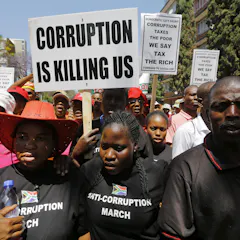
South Africa could benefit from having a dedicated institution to oversee whistleblower protection.
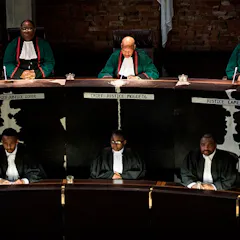
The Chief Justice needs to have a single-minded and unyielding commitment to constitutional democracy and constitutional values, including social justice.
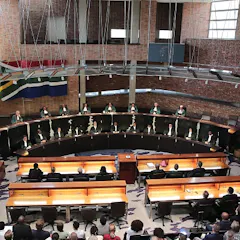
South Africa’s Constitutional Court should offer no apology for its split judgments.

As a branch of government, the courts must naturally be accountable for the exercise of their power. The means of achieving their accountability must be balanced against their necessary independence.
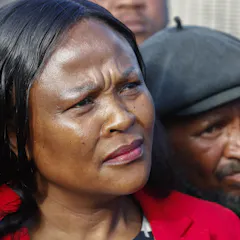
The Public Protector’s Office has become embroiled in political scandals under the current incumbent, Advocate Busisiwe Mkhwebane.
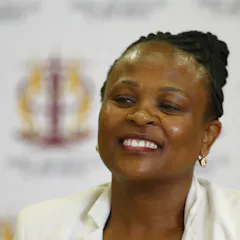
In this case, the appropriate conclusion about the Constitutional Court’s finding against the Public Protector is that there’s much to be comforted by.
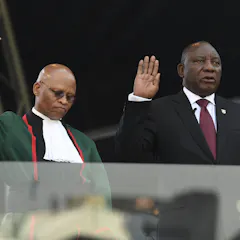
Ramaphosa couldn’t appoint people with a cloud over their heads, especially given his stated commitment to a clean and effective government.
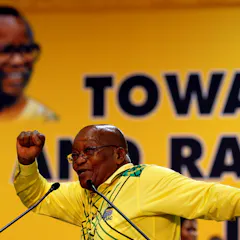
Former South African President Jacob Zuma’s bad behaviour damaged his image and the ANC’s.
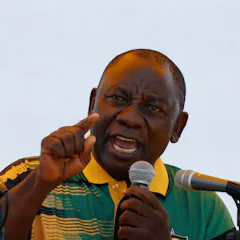
After doing nothing for a long time to bring the Gupta family to book in South Africa, the country’s prosecuting authority has finally started to act.

South Africa’s Public Protector, has been exposed as incompetent after trying to meddle with the constitutional mandate of the country’s central bank.
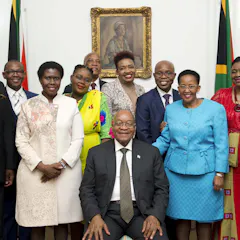
Democracy and good governance require politicians to engage in reasoned debate, informed decision making and measured judgements. This presupposes rationality. Is this always true?
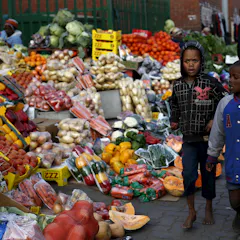
There’s a raging debate in South Africa about the role of its central bank. This is inevitable given that so much is changing in the world of central banking and in economic life.

The prevailing mandate of the South African Reserve Bank is informed by sound economics and the need to protect the institution from the whims of politicians.
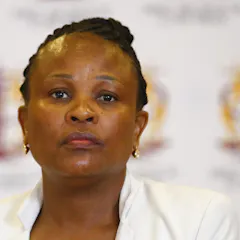
The public protector’s proposal to change the mandate of South Africa’s Reserve Bank goes well beyond changing individual rules to overturning their very foundation, anchored in the Constitution.

A financial system that is sure to collapse if the central bank cares about people’s well-being goes against democratic principle.

South Africa’s Public Protector, Busisiwe Mkhwebane has touched on two highly contentious issues: the unresolved bailout for a local bank three decades ago. And the role of the country’s Reserve Bank.
South Africa needs to start thinking about life after President Jacob Zuma. Given the damage that he’s done, serious thought should be given to forming a government of national unity.
Top contributors
-

Emeritus Associate Professor in Public Law, UCT. Visiting Adjunct Professor, WITS School of Governance; Director, Africa Programme, University of Cambridge Institute for Sustainability Leadership, University of Cambridge
-
Visiting Professor at the Business School, University of the Witwatersrand
-
Professor in Political Science, University of South Africa
-
Professor of Sociology, University of the Witwatersrand
-
Professor of Public Affairs, Tshwane University of Technology
-
Associate Professor in Public Law, University of Cape Town
-
Lecturer, Rhodes University
-
PhD student in Media Studies, University of the Witwatersrand
-
Professor of Law, New York Law School
-
Professor of Law, UNSW
-
PhD Candidate, University of Cape Town
-
PhD Candidate, Centre of Criminology, University of Cape Town
-
Lecturer, Nelson Mandela University
-
Post graduate researcher, University of Pretoria
-
Senior Research Fellow New South Institute, Emeritus Professor at The Nelson Mandela School of Public Governance, University of Cape Town