
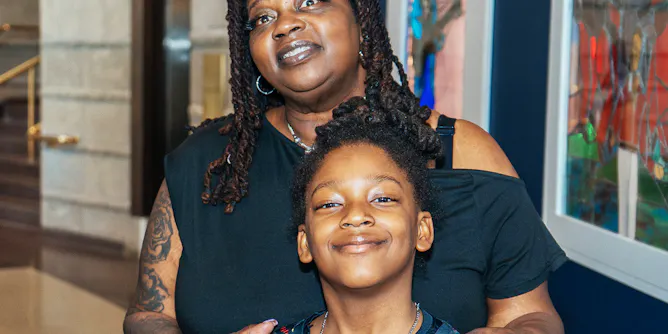
Detroit had 20,370 eviction cases filed in 2025. But evictions that do not go through the formal court process are not included in the city’s official eviction data.
Articles on Racial health disparities
Displaying 1 - 20 of 41 articles

Disproportionate rates of preeclampsia – a potentially dangerous pregnancy complication – in immigrant populations reflect the physical toll of social and economic insecurities.
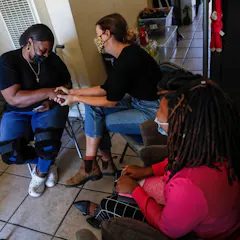
Medical sociology examines how social, cultural, political and economic factors shape health in ways that medicine alone cannot treat.

Over half of new HIV diagnoses in the US are in the South. Black men who have sex with men are hit the hardest; for them, preventing HIV is a matter of trust, identity, family and faith.
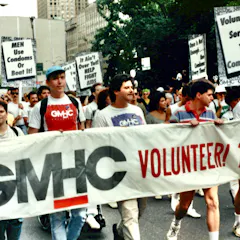
Despite funding cuts, political scapegoating and internal tensions, thousands of volunteers came together in the 1980s to provide care to a stigmatized community.

Prostate cancer is one of the most common cancers in men. Although watchful waiting is appropriate for low-risk cases, many are diagnosed at an advanced stage because of racial health disparities.

Healthy diet and regular exercise are key to treating obesity. But the stress of everyday racism and sexism hinder Black women from adopting lifestyle changes necessary for weight loss.

PrEP can reduce the risk of sexually transmitted HIV infection by 99%. Discrimination and distrust are two barriers Black gay men face in accessing this lifesaving treatment.
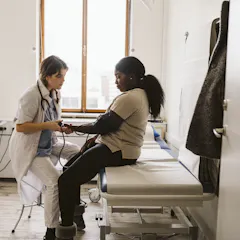
Patients often bear the cost of unexpected bills for basic preventive services such as wellness visits and cancer screenings.

Which is riskier for your health: a few days of very bad PM₂.₅ exposure or many more days of slightly bad exposure? Researchers developed new metrics to provide better answers.

As it is now, the transplant system treats kidneys from all Black donors as if they are at higher risk for failing, even though only some are.

Stigma, fear and cost prevent many patients from getting screened for lung cancer. This can prove deadly for the most vulnerable.
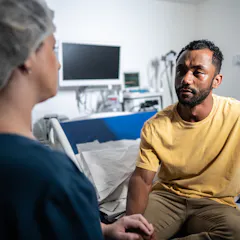
Many Black patients experience stark differences in how they’re treated during medical interactions compared to white patients.

Early modern societies in Latin America and Spain saw a convergence of traditional medical knowledge and the professionalization of medicine. The resulting differences in access to care endure today.
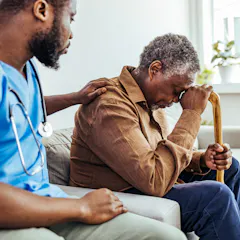
People with low-risk prostate cancer are more likely to die from something else. Overdiagnosis and overtreatment can lead to life-changing complications.
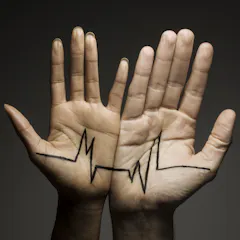
While medical school may teach students about how the body works, it often neglects the social, political and cultural factors that determine health and disease. The humanities can help.
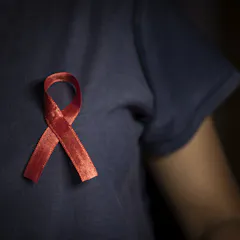
Two-thirds of new HIV infections are among gay and bisexual men. Although cases have decreased among white men, they have stagnated among communities of color.

Prostate cancer is one of the most common cancers in men. Although watchful waiting is appropriate for low-risk cases, many are diagnosed at an advanced stage because of racial health disparities.

Even with laws to protect a woman’s right to have an abortion, Black women found it hard to find access to reproductive health care. It’s only gotten worse since Roe v. Wade was overturned.

Biased algorithms in health care can lead to inaccurate diagnoses and delayed treatment. Deciding which variables to include to achieve fair health outcomes depends on how you approach fairness.
Top contributors
-

Associate Professor of Pharmacy and Therapeutics, University of Pittsburgh
-
Assistant Professor of Internal Medicine (Division of Dermatology), The University of Texas at Austin
-
Senior Associate Vice President Community Health, Education and Training, Old Dominion University; Associate Professor of Pharmacy, University of Florida
-
Professor of Audiology, University of Pittsburgh
-
Associate Professor in Sociology, African American Studies, Urban and Regional Planning and Social Work, University of Illinois Urbana-Champaign
-
Assistant Professor of Health Behavior and Health Promotion, The Ohio State University
-
Professor of Radiology, School of Medicine, University of Washington
-
Professor of Medicine, Morehouse School of Medicine
-
Physician Assistant in Gastroenterology, Morehouse School of Medicine
-
PhD Candidate in Counseling Psychology, University of Florida
-
Professor of Philosophy; Carlson Professor of University Studies; and Director, Center for Bioethics, Health and Society, Wake Forest University
-
Assistant Professor of Medicine, Boston University
-
Professor of Obstetrics, Gynecology & Reproductive Science, University of California, San Francisco
-
Associate Professor of Romance Languages and Literatures, Director of Latin American, Caribbean, and Latinx Studies Program, Bowdoin College
-
Professor of Anthropology & Director for Undergraduate Research, College of Arts and Letters, San Diego State University