
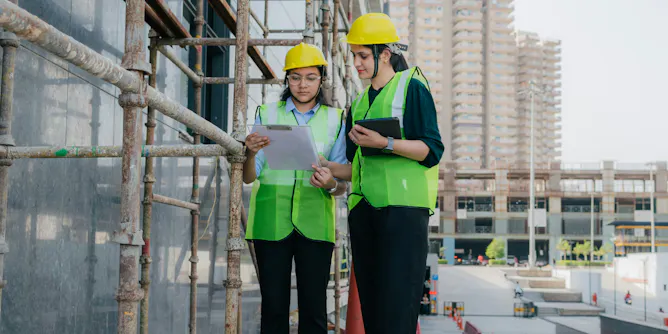
As long as women and other equity-seeking groups are underrepresented, Canada’s clean energy workforce remains inequitable.
Articles on Racialized communities
Displaying 1 - 20 of 25 articles

AI is transforming Canadian health care, using datasets that underrepresent Black, Indigenous and racialized Canadians.

Language barriers create a hidden but serious form of mobility exclusion, and the burden of adapting should fall on transit systems, not riders.

South Asians are Canada’s [largest visible minority group and their civic participation offers a vital lens into how democracy functions in a multicultural, multilingual society.

Canadian patriotism has risen since Trump threatened to annex the country. However, the rhetoric and symbols of Canadian nationalism may be leaving out modern understandings of the country.
Insights from the book White Fragility also shed light into racism in Arab society.

Acronyms like BIPOC can highlight the similar ways racism impacts different people. However, they can also gloss over the distinct experiences of communities.
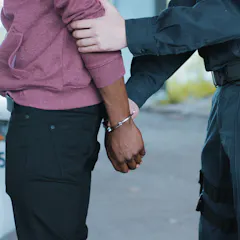
Black youth felt their age and inexperience were often disregarded by police officers who held them wholly responsible for knowing and abiding by the law.
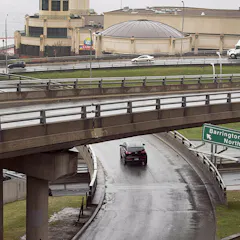
African Nova Scotians have historically suffered the negative consequences of urban redevelopment. New projects in Halifax must involve genuine engagement with racialized communities.

While policy organizations publicly claim that they want input from racialized and other marginalized communities, many fail to listen to, accept or integrate what those communities have to say.

The continued reliance on outdated indicators of police performance reinforce conventional ideas of police sustainability rather than align with the concerns of “defund the police” advocates.
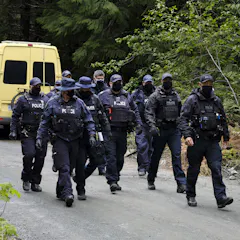
In recent years, Indigenous land defenders have lived under increasing police and state surveillance while far-right, conspiratorial movements have not.

Recently, Statistics Canada revealed that South Asians reported lower levels of mental health than any other Canadians during the pandemic.
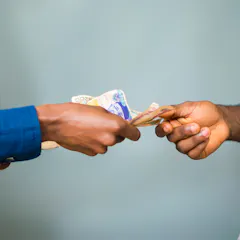
Thousands of racialized women around the world run mutual aid co-ops to help each other and develop their communities.
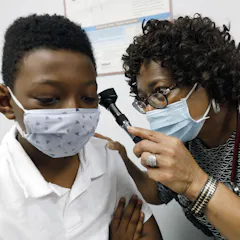
When COVID-19 first appeared, some called it the great equalizer. But the facts quickly revealed a grim reality: COVID-19 disproportionately impacts racialized communities.
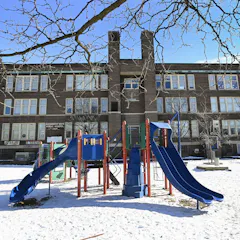
COVID-19 has exposed how systemic racism affects the lives of many racialized students in Canada. But what are some possible solutions?
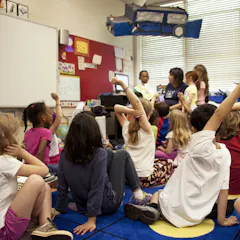
Transcript of Don’t Call Me Resilient, Episode 3.
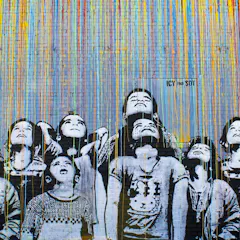
Carl James and Kulsoom Anwer discuss the injustices and inequalities in the Canadian education system.
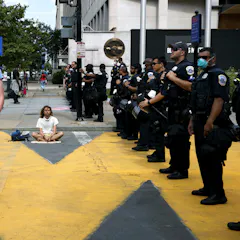
This is the full transcript for Don’t Call Me Resilient, EP 2: How to deal with the pain of racism — and become a better advocate.
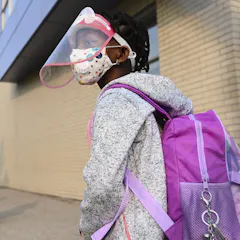
The COVID-19 pandemic risks making Canada’s already woeful record on child welfare worse. To safeguard a future for our children, governments must prioritize their care.
Top contributors
-

Associate Professor, Faculty of Humanities, McMaster University
-
Dean & Professor, Faculty of Education, University of Regina
-
PhD student, Adult Education and Community Development, University of Toronto
-
Associate professor, Culture and Language Studies, University of Waterloo
-
Assistant Professor, School of Population and Public Health, University of British Columbia
-
Founder of the DISE Collective & Associate Professor, Global Development & Political Economy, University of Toronto
-
Ontario Research Chair in Academic Achievement and At-Risk Youth, McMaster University
-
Assistant Professor, Department of Social Science, York University, Canada
-
Adjunct Professor, Department of Applied Psychology and Human Development at Ontario Institute for the Study of Education (OISE) and Executive Director at the Atkinson Centre, University of Toronto
-
Professor, Learning Sciences and STEM Education, University of Calgary
-
Postdoctoral Fellow, Faculty of Humanities, McMaster University
-
Professor, Jean Augustine Chair in Education, Community & Diaspora, York University, Canada
-
Professor, School of Nursing, University of British Columbia, University of British Columbia
-
Postdoctoral Fellow, School of Nursing, University of British Columbia
-
Professor of Sociology and University of Calgary Research Excellence Chair, University of Calgary