
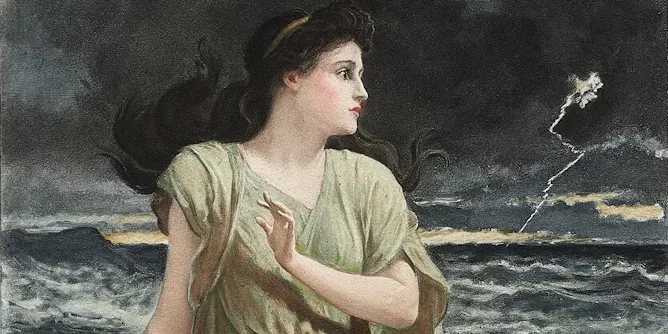
AI’s dynamic of distant, unseen control recalls Shakespeare’s The Tempest.
Articles on Rethinking the Classics
Displaying 1 - 20 of 34 articles
The Iliad does not unfold as a smooth, continuous narrative. Instead, it advances through a succession of micro-episodes.
Both are tales set on islands where romance and mystery abound.
Although romance fraud is a 21st-century term, through the character of Havisham, Dickens clearly demonstrated its often-devastating effects.
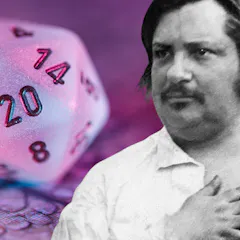
Most people think originality comes from endless freedom. Dungeons & Dragons suggests the opposite.
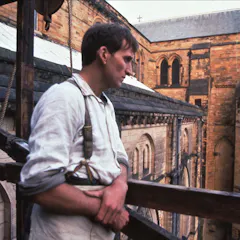
There’s no getting away from it, the story is something of a downer.
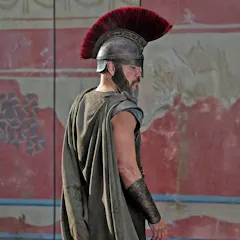
The Odyssey hits cinemas in July 2026. But will it celebrate Odysseus as the clever hero – or finally confront the wreckage he leaves in his wake?
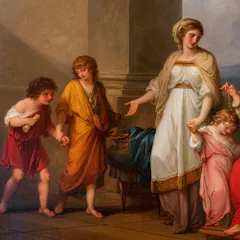
Mothers don’t normally belong in Latin epics, which were meant to be devoted to warriors and warfare.

Noughts and Crosses shows systems of oppression at work and how enable racial segregation and traumatise people.
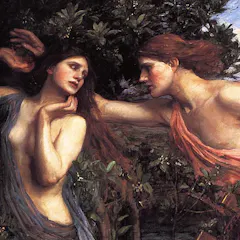
Ovid’s tale is a lusty celebration of man’s triumph over nature.
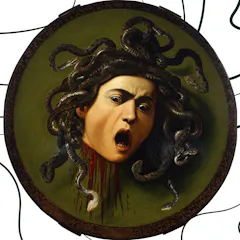
The work is about the artist’s power of immortality, his features frozen in time forever.
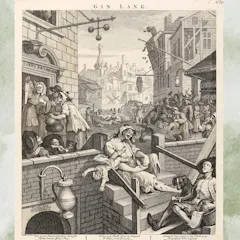
Gin Lane is an imagined thoroughfare where the consumption of gin has deprived the inhabitants of sense, finances – and in some instances life.
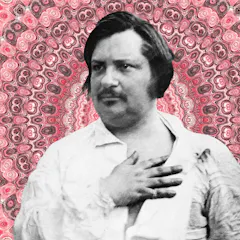
Balzac’s realism is not merely descriptive but architectural: a literary mandala of modern society
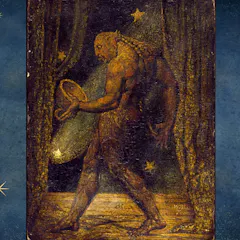
White paint dots the flea’s eye, so that he appears to be both looking ahead and looking at us.
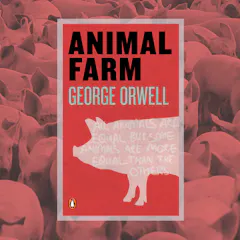
Orwell wrote his short, shocking novel at a time when it was considered scientifically inadmissible for animals to be granted thoughts or even feelings.
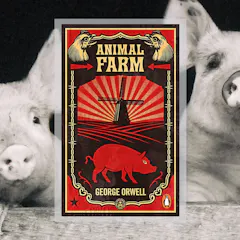
Animal Farm is a melancholy reflection on the corruption of revolution – and the need to keep looking for a better one.
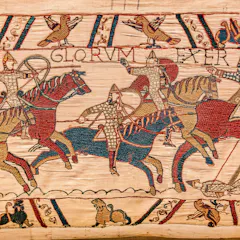
Medieval people would have interacted with the embroidered players, giving them voice and enabling them to join the conversation.

Nineteen Eighty-Four filled with references to sinking ships, drowning people and the dread of oceanic engulfment
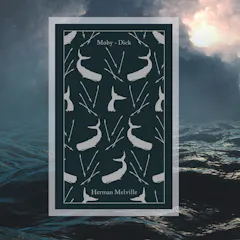
Early readers knew Moby-Dick for what it was: an extreme and ambitious form of popular genre fiction.
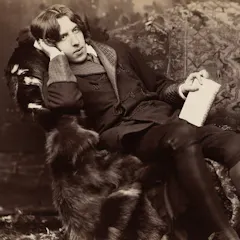
The poem reveals the mind-numbing conditions and physically exhausting jobs that were relentlessly inflicted on prisoners in Wilde’s day.
Top contributors
-

Teaching Associate French, School of Languages, Arts and Societies., University of Sheffield
-
College Teaching Associate (Peterhouse), University of Cambridge
-
Lecturer in Early Twentieth-Century English Literature, University of Birmingham
-
Research Associate, Institute for Prehistory and Early History and Medieval Archaeology, University of Tübingen
-
Lecturer in Culture, Media and Creative Industries, King's College London
-
Senior Lecturer in English and Creative Writing, Sheffield Hallam University
-
Research Associate, Curation and Communication, University of Tübingen
-
Lecturer in English for Academic Purposes, University of Manchester
-
Professor of Victorian Literature, Editorial Board Chair, Keele University
-
Personal Chair of 19th-Century Art, History of Art, University of Edinburgh
-
Lecturer in Creative Writing (Interdisciplinary Futures), University of Edinburgh
-
Research Fellow, literature, art history and gender studies, University of Exeter
-
Lecturer in English and Creative Writing, University of Exeter
-
Lecturer, Centre for the Arts in Society, Leiden University
-
Interdisciplinary Doctoral Researcher in English Literature and Indigenous History, University of Hull