
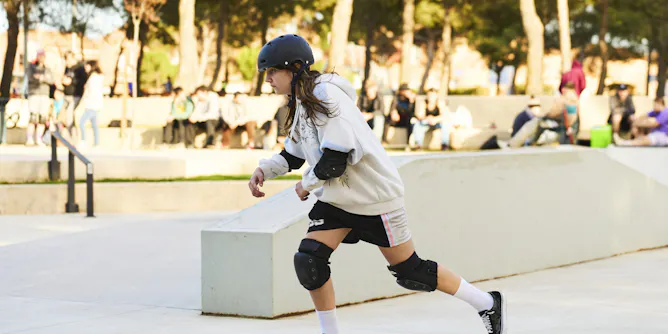
Sometimes we think ‘if it feels scary, it must be unsafe’. But feeling nervous or excited is often part of the experience.
Articles on Risky play
Displaying all articles
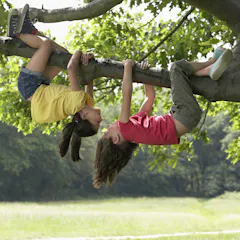
When climbing trees, riding a bike fast or exploring a woodland, children make their own decisions on which risks to take and which to avoid.
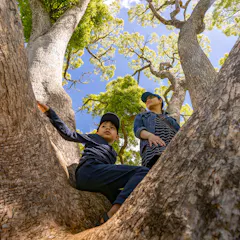
Our research shows outdoor parks offer the ideal place for children to engage in risky play. This may challenge parents who understandably wish to keep their kids ‘safe’ all the time.

The devastation of the second world war allowed progressive planners to reimagine the city and make spaces for children and young people to play in.
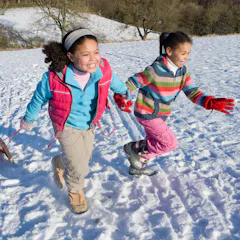
Supporting play begins with parents attending to their own wellness and seeing children as drivers of their own play.
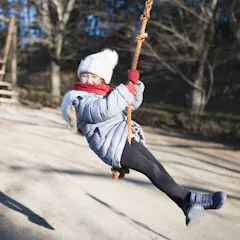
On the 30th anniversary of the UN Convention of the Rights of the Child, let’s remember children’s right to play.
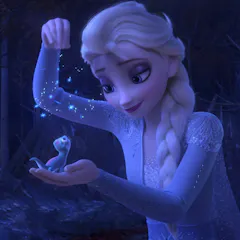
Frozen II teaches children that venturing into the enchanted forest — stepping outside of comfort zones while looking to trusted guides or companions — can be a place of positive transformation.

The right age for an unsupervised Halloween is highly debatable, but it’s something parents should carefully consider. Some reasonable risk is important for development.
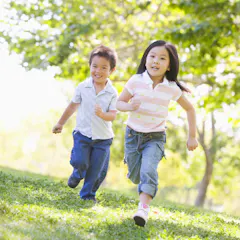
Adults must let go of their fears of injury and kidnapping. Children need free outdoor play to build physical immunity, psychological health, executive functioning and social skills.
Top contributors
-

Associate Head of Early Childhood Studies, University of Guelph-Humber
-
Professor, University of British Columbia
-
Lecturer in Education, Western Sydney University
-
Professor, Centre for Educational Research, Western Sydney University
-
Associate Lecturer, School of Education, Western Sydney University
-
Associate Dean, Professor ECE, University of Regina
-
Adjuct Faculty University of Guelph, Former Chair, Early Childhood Studies and Founder of The Love Model Inc.
-
Principal Research Fellow in Education, Sheffield Hallam University
-
Principal Lecturer/Research & Innovation Lead, Sheffield Hallam University
-
Professor of Cultural Studies, University of Sussex
-
Professor of Pediatrics in the Faculty of Medicine and Senior Scientist at the CHEO Research Institute, L’Université d’Ottawa/University of Ottawa
-
Visiting Fellow in Education, Sheffield Hallam University
-
Master's student, Faculty of Education, University of Regina