
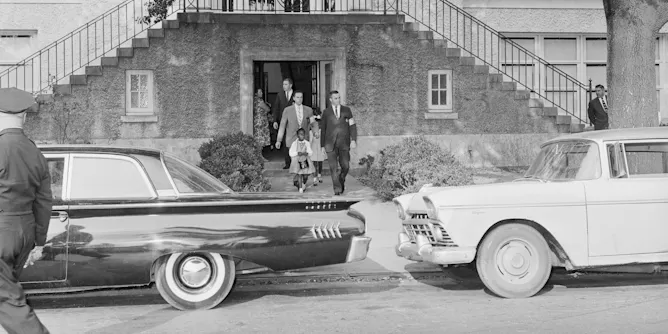
On Nov. 15, 1960, four Black first graders desegregated New Orleans schools. One of them was Tessie Prevost, who died in July 2024 with the promises of the post-Brown era still unfulfilled.
Articles on School integration
Displaying all articles

As the nation marks the 70th anniversary of Brown v. Board, one of its most significant side effects − the large-scale loss of Black teachers − continues to affect America’s schools.

An analysis shows that Black students at more racially segregated schools have a greater tendency to turn to the bottle.
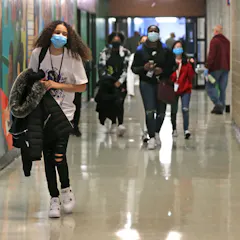
Local control over school funding leads to uneven resources between districts, two legal scholars maintain.
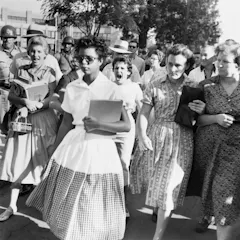
Americans’ collective memory of school desegregation involves crowds of screaming white protesters. But less well known are the whites who stood by quietly, and those who approved of the changes.
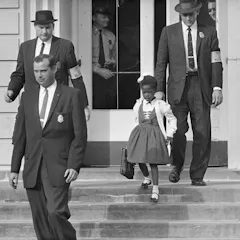
Is the public education that Ruby Bridges fought to integrate a relic of the past?
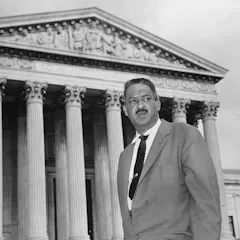
While the Brown vs. Board of Education case is often celebrated for ordering school desegregation, history shows many black people in the city where the case began opposed integrated schools.

Public schools were originally envisioned in the 19th century as ‘common schools’ where rich and poor kids could be educated together. MLK wanted the same thing – but it’s not happening.
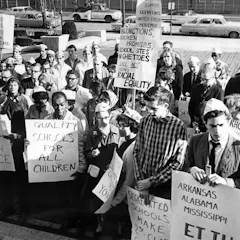
Some communities are seeking to secede from larger school districts to form their own school districts in the name of ‘local control.’ But court rulings find race is often at play.

Child refugees talk about their experience of transitioning into a new high school in Australia.
Top contributors
-

Associate Professor of Ethnic Studies, University of Oregon
-
Professor of Education, Stockton University
-
Professor of Teacher Education, University of Nebraska Omaha
-
Associate Professor Emeritus of Education, Rowan University
-
Associate Professor, Harvard University
-
Research Specialist, University of California, San Francisco
-
PhD Student, Penn State
-
Assistant Professor of Education, UMass Lowell
-
Professor of Law, University of South Carolina
-
Professor of Education and Demography, Penn State
-
Assistant Professor of Educational Leadership, Virginia Commonwealth University
-
Constitutional Law Fellow, University of South Carolina
-
Associate Professor of Education, George Mason University
-
Sessional Lecturer in Language and Literacies Education, The University of Melbourne
-
Senior Professorial Lecturer, American University