

Research also shows that couples share around 38% of the same microbes in their mouth.
Articles on Skin microbiome
Displaying all articles

The right cleanser can benefit skin health – while the wrong one could potentially cause damage.
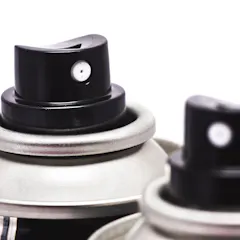
Marketers want us to be worried about smelly intimate parts. The thing is, they are mostly self-cleaning.

Clothing is a well-known carrier of many disease-causing pathogens – including E coli, scabies and Staphylococcus.
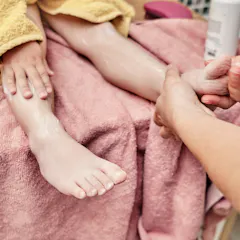
From synthetic fabrics to car exhaust to wildfires, exposure to environmental pollutants push the skin microbiome to adapt in ways that reduce its ability to protect the skin.

Most infection prevention guidelines center on the hospital environment rather than the patient. But the source of antibiotic-resistant microbes is often from the patient’s own body.

The science of smell is an exciting area of research.
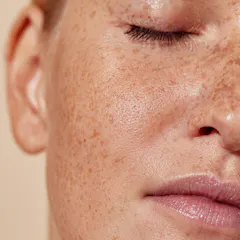
Bacteria and lipids get a bad rap for causing breakouts and oily skin. But both play an essential role in helping your skin barrier stay strong against pathogens and insults from the environment.

All mammals who get nutrients from their parent via a placenta before birth are left with a belly button. It’s a visual reminder of this original connection.
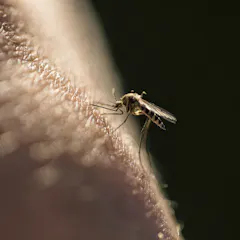
Certain viruses like dengue and Zika can make their hosts smell tastier to mosquitoes. Luckily, vitamin A and its derivatives may help combat these odor changes.

Toe jam was mentioned in a song by The Beatles. Maybe they knew a thing or two about foot hygiene.
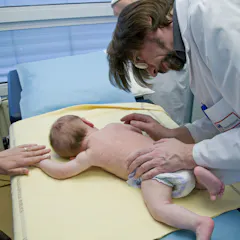
Can a naturally occurring skin microbe help millions who suffer from eczema?

For your 2020 New Year’s resolutions, think about keeping the microbes that live inside your gut healthy. Look after them and they’ll look after you.
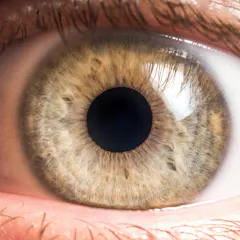
Just like the gut, the skin and the mouth, the eye also has a collection of microbes that keep it healthy. Understanding the eye microbiome may lead to new probiotic therapies.
Top contributors
-

Chief, Epithelial Therapeutics Unit, National Institute of Allergy and Infectious Diseases
-
Caroline Robinson is a Friend of The Conversation.
Associate Professor Podiatry, Charles Sturt University
-
Associate Professor of Analytical Chemistry, Dublin City University
-
Associate Professor of Nutritional Sciences , Penn State
-
Assistant Professor of Immunology, University of Connecticut
-
Assistant Professor of Ophthalmology and Immunology, University of Pittsburgh
-
Associate Professor of Allergy and Infectious Diseases, School of Medicine, University of Washington
-
Postdoctoral Researcher in Dermatology, University of California, San Diego
-
Principal Lecturer in Biological Sciences, University of Maryland, Baltimore County
-
Assistant Professor of Anesthesiology, School of Medicine, University of Washington
-
Assistant Professor of Food Science, Penn State
-
Postdoctoral Researcher, Stem Cell Biology and Single Cell Technologies, Karolinska Institutet
-
Senior Lecturer in Clinical Microbiology, University of Leicester
-
Professor of Anatomy, University of Bristol
-
PhD Candidate, Skin Microbiology, Nottingham Trent University