
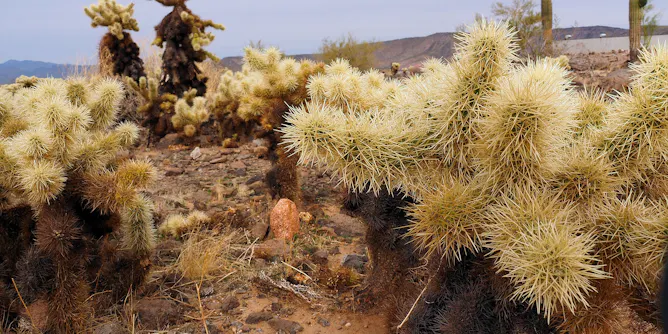
What do cacti spines and wasp stingers have in common? What about snail genitalia and shark teeth?
Articles on Snails
Displaying 1 - 20 of 21 articles

Oysters and escargot are recognised as luxury foods around the world – but they were once valued by the lower classes as cheap sources of protein.
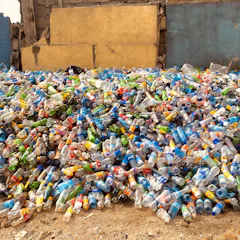
Nigeria is one of the top three plastic pollution hotspots globally.
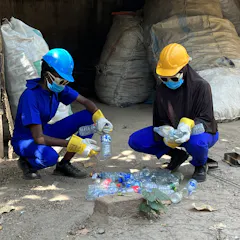
Banning single-use plastics in Nigeria is a step in the right direction. But its success will depend on provisions made for enforcement.

Snails were recognised in medieval times for their unusual strength, given that they were able to carry their home on their back.
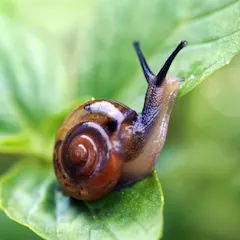
These members of the mollusk family may be slow, small and slimy, but they are an indispensable part of the ecosystem.

Our lives are intertwined with animals, insects and birds – we should consider them more when we design our cities.
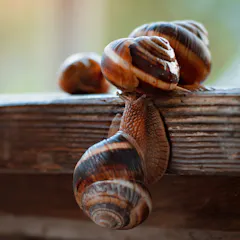
Snails use their slime to help them move, stop them drying out and to scare off predators.
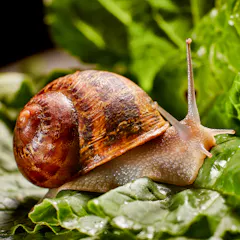
The UK wants gardeners to stop thinking of slugs and snails as pests and to embrace garden biodiversity. Is it worth considering in Australia?
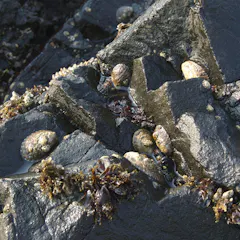
The Blob, a long-lasting mass of warm water, sat off the Pacific coast of North America for years, bringing new species to formerly cold waters. What allows some to survive while others fade away?
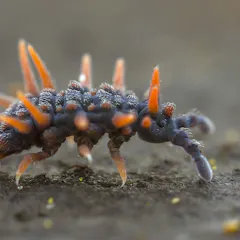
Australia’s invertebrates have an ancient lineage and a fascinating evolution. Get up close with macrophotography to discover tiny, unique animals you’ve probably never seen before.

Rare left-coiled shells in garden snails turn out to be a developmental accident not an inherited trait.
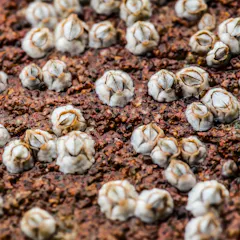
Barnacles are an invasive species, carried worldwide along shipping routes. But Japan has a local solution: predatory and herbivorous snails feed on the barnacles and limit their spread.
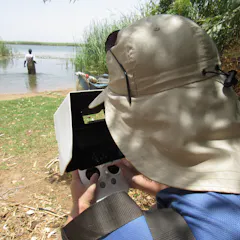
Schistosome worms infect hundreds of millions of people worldwide. Researchers have discovered how to use inexpensive drones to identify disease hotspots in remote African villages.
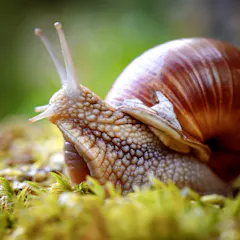
A historical trail through its medicinal properties.
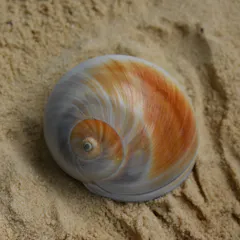
One thing I can tell you is that a snail’s bottom is right over its head.
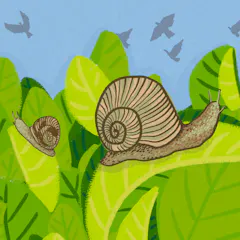
It has been reported that at least one snail lived as many as 14 years in captivity. His name was George and he lived in Hawaii, in the United States.
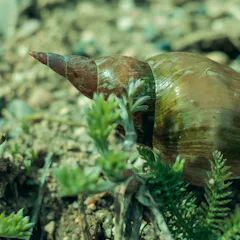
New research reveals how stress could alter our perceptions about which animals are ‘smart’.
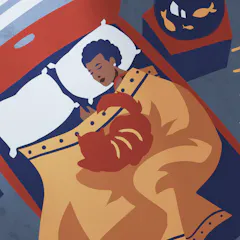
Pond snails use things like rocks or the side of their aquarium as their bed, attaching themselves while they sleep. This might not seem very relaxing but their shells do hang away from their body.
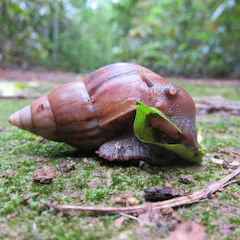
There’s a terrifying species that spreads rapidly, breeds prolifically and eats hundreds of plants. But the first research into the actual harm caused by giant African land snails found … not much.
Top contributors
-

Principal Lecturer, Microbiology and Biomedical Science Practice, Fellow of the Institute of Biomedical Science, University of Brighton
-
Associate Professor of Behavioural Ecology, Curtin University
-
Assistant researcher, The University of Melbourne
-
Research fellow, Australian National University
-
Lecturer, Aberystwyth University
-
Principal Lecturer in Invertebrate Biology, Liverpool John Moores University
-
Associate professor, Marine ecology, University of Hyogo
-
Professor of Entomology and Extension Specialist, Penn State
-
Associate Professor of Biology and Biomechanics, University of Illinois Urbana-Champaign
-
Senior Lecturer, Ecotoxicology and Conservation Unit, Department of Zoology, Faculty of Science, University of Lagos
-
Master's Student in Entomology, Penn State
-
Associate Professor and Reader in Evolutionary Genetics, University of Nottingham
-
Research Scientist, CSIRO
-
Postdoctoral Scientist, Marine Ecology, St. Francis Xavier University
-
Head of Department, Ecology, Environment and Evolution, La Trobe University